
Mamdani’s Madness: Ex-Con Robber Now Tapped for NYC Justice Gig
I’ll walk through the controversy, the backstory of the adviser pick, the arguments for and against the choice, the political framing, and the potential effects on public safety and perception.
The incoming mayor of New York City has named advisers to a criminal justice transition team, and one selection has drawn sharp attention. A formerly incarcerated rapper who served seven years for armed robbery is listed among those tapped to advise on the city’s criminal legal system. That fact alone has sparked immediate debate about judgment, optics, and what expertise actually looks like in criminal justice reform.
Critics argue that appointing someone with a felony conviction to a justice advisory role is tone-deaf at best and dangerous at worst. Supporters counter that lived experience inside the system can yield practical insight others lack. Both positions rest on reasonable instincts: the public wants safety and accountability, while reform advocates emphasize rehabilitation and the value of firsthand knowledge.
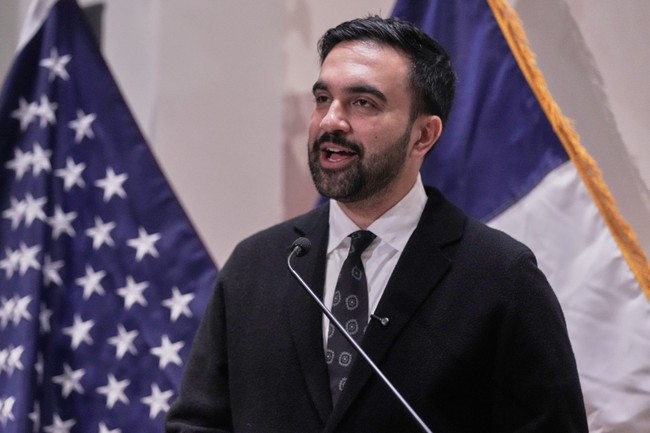
“Mayor-elect Zohran Mamdani has picked a controversial rapper who did seven years in state prison for armed robbery to advise him on the criminal justice system.”
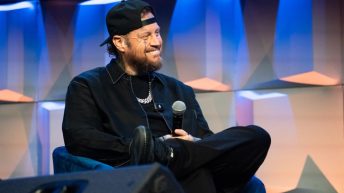
The adviser in question has publicly maintained innocence and describes a long arc from artist to activist. His backstory includes a conviction tied to robberies in the late 1990s and a stalled music career, and he later pivoted to community work. That narrative fuels two competing frames—either redemption and relevant experience or lingering criminality inappropriate for an advisory post.
“This is a testament to our decades of work advocating on behalf of black and brown communities and our expertise in gun violence prevention, legislative advocacy and criminal justice reform,” Linen wrote on Instagram last month. “We are building something different.”
Appointing a former offender to a policy role raises questions about vetting and priorities. Is the goal to bring diverse voices into policymaking, or is it to signal a political posture that prioritizes identity and narrative over expertise in public order? In politics, symbolism often eclipses substance, and transition teams are a prime place for signaling intentions.
“Linen was a promising young rapper when he was convicted in 1999 for being part of a crew that robbed two cab drivers in the Bronx, the New York Daily News reported at the time.”
There are pragmatic arguments on both sides. Someone who has spent time behind bars might understand how policy touches people on the ground and where reforms can reduce recidivism. Conversely, victims and families affected by violent crime may feel that such appointments minimize accountability and ignore the human cost of offenses. The tension between those viewpoints has become a flashpoint in this appointment.
Political motives are impossible to ignore. Appointments like this can serve to excite a base, burnish progressive credibility, and advertise an administration’s approach to criminal justice. They can also alienate centrist voters and law-and-order constituencies who expect a mayor to signal toughness on violent crime. That balance will shape how the new administration is received and whether it can govern effectively.
Practical questions remain unanswered: what authority will advisers hold, how will recommendations be weighed, and who will represent the perspectives of victims and law enforcement? Transition teams produce plans, but the real tests come when policy meets implementation and when public safety outcomes are measured over months and years.
Public messaging matters. When leaders appoint controversial figures, they accept the political consequences as part of the package. Some voters will see the move as courageous, others as reckless. Either way, the appointment becomes part of the narrative the mayor will inherit on day one and beyond.
New York faces real challenges on crime and safety, and innovation is worth considering. But innovation without accountability or clear benchmarks risks eroding trust. The coming weeks should clarify whether this pick is an earnest effort to diversify perspectives or a headline-grabbing stunt with little practical upside.
Editor’s Note: Zohran Mamdani is an avowed Democratic Socialist (communist) and on January 1st will become the next mayor of New York City.

Add comment