
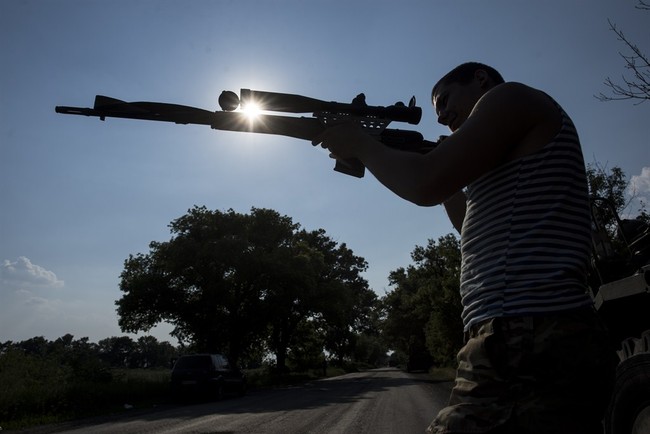
This piece examines allegations that wealthy foreigners paid to shoot civilians during the siege of Sarajevo in the 1990s, looks at the Italian investigation prompted by a journalist’s complaint, reviews eyewitness claims and documentary references, and considers why authorities are treating these stories seriously despite lingering questions.
The idea that rich people paid to hunt unarmed civilians sounds like something out of fiction, yet disturbing allegations have surfaced that suggest it might be more than an urban myth. Reporters and prosecutors in Italy are now probing claims that so-called “sniper safaris” took place around Sarajevo during the Bosnian war. Those allegations include testimony that foreigners paid to be taken to positions where they could shoot at residents in the besieged city.
The core claim comes from a journalist who filed a complaint in Milan, saying he uncovered evidence of foreigners traveling to Bosnia to shoot at civilians. He describes a “manhunt” by “very wealthy people” with a passion for weapons who “paid to be able to kill defenceless civilians” from Serb positions in the hills around Sarajevo. Different rates were allegedly charged depending on whether the target was a man, woman or child, which, if true, makes the allegations even more chilling.
The public prosecutor’s office in Milan has opened an investigation into claims that Italian citizens travelled to Bosnia-Herzegovina on “sniper safaris” during the war in the early 1990s.
Italians and others are alleged to have paid large sums to shoot at civilians in the besieged city of Sarajevo.
The Milan complaint was filed by journalist and novelist Ezio Gavazzeni, who describes a “manhunt” by “very wealthy people” with a passion for weapons who “paid to be able to kill defenceless civilians” from Serb positions in the hills around Sarajevo.
Different rates were charged to kill men, women or children, according to some reports.
Another summary of allegations circulating in the press names citizens of Russia, the United States, and Italy among those accused of taking part in these so-called “human safaris.” Investigators reportedly say wealthy foreigners paid tens of thousands of pounds to Serbian forces for the opportunity to fire on Sarajevo residents, including children. The actions are said to have occurred under the command structure of Radovan Karadžić, who was later sentenced by the Hague Tribunal for war crimes.
Italian authorities have opened an investigation into citizens of Russia, the United States, and Italy accused of taking part in so-called “human safaris” — paid sniper shootings of civilians in Sarajevo during the Bosnian war.
According to investigators, in the 1990s wealthy foreigners paid tens of thousands of pounds to Serbian forces for the chance to fire at residents of the besieged city, including children.
The attacks took place under the command of Radovan Karadžić, later sentenced to life imprisonment by the Hague Tribunal for war crimes.
The writer who filed the Milan complaint says he has documentary materials and testimony pointing to a network that facilitated these trips for wealthy gun enthusiasts. He uses the term “sniper tourists” to describe people willing to pay large sums for the chance to shoot at civilians, and he claims witness lists and other leads are now with prosecutors. While the accusations are extreme, they have prompted formal inquiries, which suggests investigators see enough to at least begin fact-finding.
The investigation was sparked after an Italian writer alleged he had uncovered evidence that wealthy gun enthusiasts — dubbed “sniper tourists” — would pay Bosnian Serb forces for the chance to gun down residents at random during the four-year siege of the city, the Guardian reported.
More than 10,000 were killed in Sarajevo by snipers and shelling between 1992 and 1996 during the Balkan Wars.
“There were Germans, French, English … people from all Western countries who paid large sums of money to be taken there to shoot civilians,” said Ezio Gavazzeni, the investigative writer.
Documentary work has also kept these allegations in public view, with a 2022 film exploring the rumors and interviews that surfaced over the years. Some veterans and observers have called the notion an urban myth, pointing to the chaos of war and the difficulty of verifying specific outsiders’ involvement. Still, the number of sniper killings in Sarajevo was tragically high, and any credible evidence of paid participation by foreigners would reopen painful questions about accountability.
Italian prosecutors reportedly have identified potential witnesses and are trying to assemble corroborating testimony and documents. That is a painstaking process when events happened decades ago and many records have likely been lost or never existed. Even so, legal investigators tend to move cautiously and methodically when allegations reach this level, especially if they could lead to criminal charges or international cooperation.
For now the story hangs between shocking allegation and unresolved suspicion, though the stakes are undeniable: if verified, these acts would represent a grotesque form of commodified violence and deepen the moral horror of a conflict already marked by mass suffering. Authorities in Milan will determine whether the claims merit prosecutions, and witnesses will have their stories examined in a formal, evidentiary setting. The outcome will matter not just for those accused but for how we understand the depths people can sink to in wartime.


Add comment