
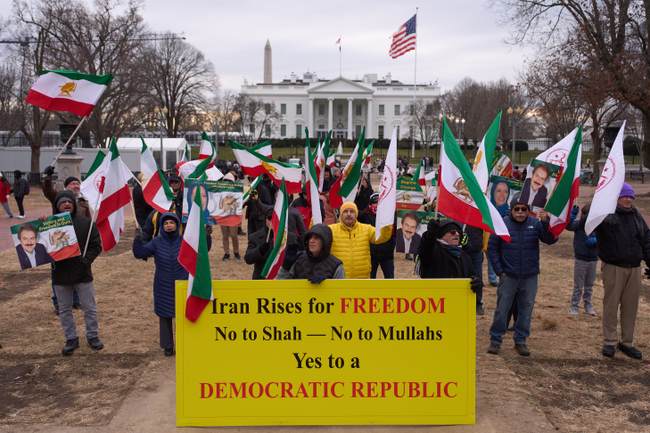
The unrest in Iran has deepened into a sustained national crisis driven by crushing inflation, a collapsing rial and rising food costs, and it is testing the durability of the clerical regime while raising urgent questions about Kurdish aims, exile leadership, and American policy in the region.
The current wave of protests began amid an economic freefall, with the rial plunging to roughly 1.4 million to the US dollar and inflation estimates in the 40–50 percent range driving food prices through the roof. What started as bread-and-survival demonstrations morphed quickly into open calls to end clerical rule, with protesters even chanting against Supreme Leader Ayatollah Ali Khamenei. The regime has responded with harsh measures: internet cutoffs since early January, live ammunition against crowds, mass arrests, and casualty figures that could be in the hundreds or higher.
This chapter feels different from the 2022 Woman, Life, Freedom movement, because economic desperation is now front and center and it reaches every province. Kurdish-majority areas in the northwest, including Kermanshah and Ilam, have been particularly active, where local groups have called strikes and amplified condemnation of state violence. The geographical spread and the mix of ethnic and social grievances make this unrest harder for Tehran to localize and crush behind a single narrative.
In that context it helps to hear observers who have long tracked Kurdish politics. Richard Eagleton, a filmmaker and son of a former U.S. diplomat who spent years across the region, points out that while Kurdish activism is intense, the path from protest to independent statehood remains blocked. Historical fractures among parties, tribal rivalries, and regional pressure from Tehran, Ankara and Baghdad all blunt separatist momentum, even while they expose regime weak spots along border provinces.
“This feels different—more sustained and geographically broad.” That phrase captures how protesters from bazaars to university campuses now fuse economic pain and political outrage. Unlike earlier, largely social-rights-focused uprisings, this revolt threatens the regime’s economic legitimacy in a way that resonates across classes. When everyday goods become unaffordable, even traditional supporters can stop protecting the status quo.
Kurdish politics in Iran remain complicated. The Kurdistan Democratic Party of Iran and other groups have mobilized strikes and protests, but Iranian Kurds have long been divided by history, personality, and local loyalties. While the Kurdish question highlights Tehran’s vulnerability in border regions, achieving durable autonomy or independence would require unity the movement currently lacks, plus consistent outside backing that is unlikely given regional rivalries.
Look at Iraqi Kurdistan as a cautionary example rather than a blueprint. After a 2017 independence referendum, the fallout taught Kurdish leaders hard lessons about the limits of separatism without broad international support. The Kurdistan Region pivoted to pragmatic autonomy—focusing on revenue sharing, security partnerships, and playing a stabilizing role against ISIS—rather than risky, isolationist independence projects. Those lessons matter for Iranian Kurdish actors contemplating sweeping ambitions now.
Exiled figures like Reza Pahlavi have surfaced as focal points for some demonstrators, with chants supporting his name and claims that he could lead a transition. He enjoys name recognition and diaspora support, but the reality is messy; after more than four decades of rule by clerics, the Iranian public is wary of replacing one form of strongman rule with another. What many inside want is accountable government, free elections and economic opportunity, not the return of an autocracy of a different color.
From a Republican point of view, U.S. policy should be rooted in realism and in support for reliable partners who promote stability and fight terrorism. Iraqi Kurds have proven to be effective local partners against ISIS and as bulwarks against Iranian influence; Washington should lean on those existing relationships rather than pin hopes on untested monarchist restorations. Practical alliances, security cooperation, and targeted economic measures advance American interests better than romanticized interventions.
The protests expose Tehran’s fragility: fractured security forces, worsening economics and ethnic tensions that could widen if left unchecked. But change will depend on internal organization and leadership, not external wishful thinking. For American policymakers who favor stable outcomes, backing accountable local partners and pressing for humanitarian relief are prudent steps that avoid creating a vacuum Tehran’s adversaries could exploit.
The Kurdish struggle for dignity and self-determination is legitimate and long-standing, yet realism must guide strategy. Effective governance, cohesive leadership, and international support matter more than symbolic declarations on the street. The next phase in Iran will be shaped by how opposition figures organize, how regional powers react, and how the U.S. balances principled support for freedom with hard-headed concerns about regional stability.
I just came across this amazing way to earn $6,000-$8,000 a m0nth 0nline! No selling, no struggle—just a simple system that anyone can follow. Kelly Richards did it, and so can you! Don’t miss out on this life-changing 0pportunity. check it out by Limited time only – grab it before it’s gone!” .
Here is I started_______ PayAtHome1.Com