
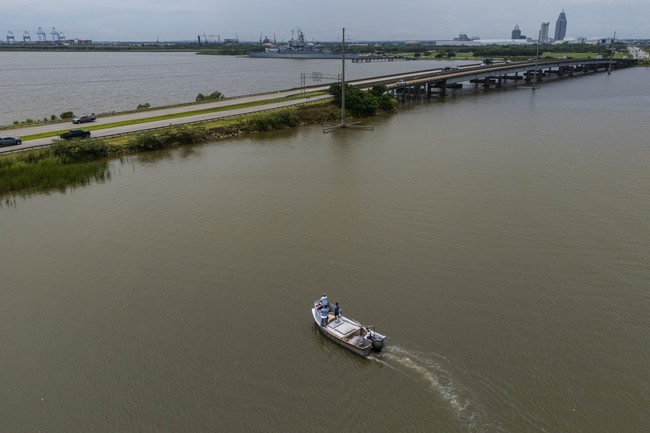
The discovery of an improvised explosive device at the Converse Reservoir dam in Mobile, Alabama, prompted a multi-agency response and raised immediate concerns about the security of a critical water supply. Divers found the device during routine maintenance, law enforcement teams removed and detonated it, and officials are treating it as a serious, targeted threat to infrastructure that serves the region’s drinking water.
During routine maintenance at the Converse Reservoir dam, divers located an improvised explosive device placed underwater near the dam structure. The device was handled by a regional render-safe team and detonated safely, preventing any damage to the reservoir or harm to personnel. This reservoir supplies the city of Mobile and surrounding municipalities, making the incident particularly alarming for local water security.
The Gulf Coast Regional Maritime Response and Render-Safe Team retrieved and detonated an improvised explosive device found underwater at the Converse Reservoir dam, the Mobile Area Water and Sewer System announced Tuesday.
The multi-agency effort included the Mobile County Sheriff’s Office, FBI Bomb Squad, Mobile Police Department Explosive Ordinance Detail, ALEA Bomb Squad and the Daphne Search and Rescue Team.
The Converse Reservoir at Big Creek Lake is the municipal reservoir for the County of Mobile, serving as the sole water supply for the region. It provides approximately 60 million gallons of water per day to the city and nearby communities, so any threat to that supply carries broad public-health implications. Because the dam and reservoir are federally designated critical infrastructure, federal agencies have been notified and will participate in the investigation.
An IED is a weapon designed for a chosen level of detonation and damage, which implies deliberate planning and a specific target. The placement of such a device at a water-supply structure suggests an attacker aimed to disrupt essential services or create fear. With similar incidents reported elsewhere around the country, authorities are treating this as part of a worrying pattern of threats to domestic critical infrastructure.
Officials from the Mobile Area Water and Sewer System emphasized how seriously they regarded the situation, noting the quick response by contractors and first responders. Five separate federal and local agencies were involved in the response, reflecting the complexity and risk of dealing with an explosive device in a water environment. The public has received limited details so far, which officials say is standard while forensic and security work continues.
“Our top priority is keeping your drinking water safe,” said Bud McCrory, MAWSS director. “This is an unprecedented threat, and we are fortunate that this device was discovered before it could cause serious damage to our water supply or harm to individuals. We are grateful for the professionalism and competency of our law enforcement partners – as well as the quick thinking of our contractors and divers – in identifying this device and safely destroying it.”
The reservoir and dam are federally designated critical infrastructure. The U.S. Department of Homeland Security has been made aware of the incident.
Given the reservoir’s role and the nature of the device, investigators are weighing both criminal and national-security angles as they follow leads. Physical security assessments, surveillance footage reviews, and interviews with personnel and contractors will shape next steps. Law enforcement will also seek to determine whether this was an isolated act or linked to wider threats against infrastructure elsewhere.
Local management and federal partners face hard choices about access and routine maintenance moving forward, especially if investigators identify methods used to place the device. Public access to parts of the lake and dam area has been contested in recent years, and this security event could influence future restrictions or operational changes. Any move to change access policy must balance public needs, recreational use, and the imperative to protect an essential utility.
Authorities noted the importance of regular security sweeps and technology to detect tampering or infiltration around critical assets like dams and reservoirs. Tools such as underwater inspections, increased patrols, and targeted surveillance are among the options being considered as part of a layered approach. Until the investigation concludes, MAWSS and partnering agencies will likely maintain heightened vigilance around the site.
Residents and community leaders are being urged to report anything suspicious near water infrastructure and to cooperate with officials during follow-up inquiries. Transparency about findings will be important to restore public confidence while preserving investigative integrity. The swift discovery and controlled detonation prevented harm this time, but the incident underlines the need to reassess how we protect essential services from unconventional threats.


Add comment