
Democratic candidates in New York stumbled when asked an easy World Cup question, naming Mexico and Senegal instead of the United States, and critics say that refusal to back Team USA reflects a broader pattern of prioritizing other interests over national loyalty. The gaffe happened during a PIX11 forum in the NY-13 Democratic primary, and it came the same day the U.S. men posted a historic 4-1 win over Paraguay. This piece examines the exchange, the context of the U.S. team’s standing, and why the response struck many voters as tone-deaf.
At a recent PIX11 forum for the NY-13 Democratic primary, two candidates asked about the World Cup did not pick the United States when prompted. Rep. Adriano Espaillat named Mexico, and challenger Darializa Chevalier said Senegal, answers that landed awkwardly given the tournament is co-hosted in the United States. That moment felt less like a sports preference and more like a political misstep on a basic question of national pride.
The moderator prefaced the question by asking, “Who do you think will win it all?” and the candidates answered in ways that left many viewers scratching their heads. Calling it a “howler,” critics argued these responses were the opposite of Campaigning 101; when asked a friendly question that allows you to show common ground with voters, you don’t hand them a reason to doubt your instincts. For a congressional hopeful, a light-hearted chance to connect with constituents turned into an avoidable stumble.
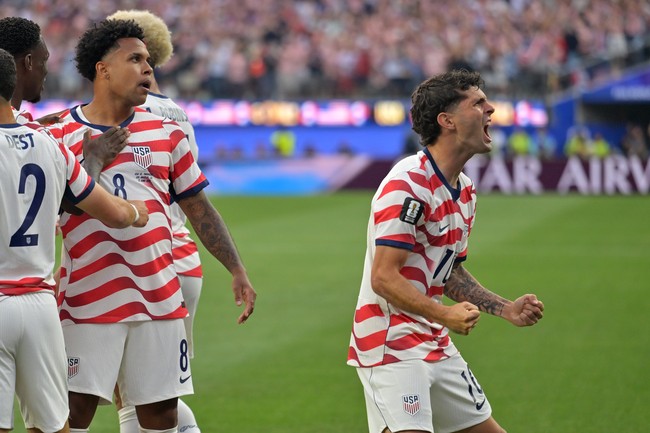
Timing made the answers stand out even more. On the same day these Democrats said they’d be rooting for Mexico or Senegal over Team USA, the United States delivered a dominant 4-1 win against Paraguay. That victory marked the largest margin of victory in a U.S. men’s World Cup match since 1930, and it showcased a team playing with momentum and national pride. For many observers, cheering for the home team in such a moment is simply common sense.
Numbers matter when assessing the U.S. team’s prospects. The United States sits at number 15 in the FIFA world rankings, compared with Mexico at 13 and Senegal at 16, so the teams are clustered together and competitive. The Americans have never won a World Cup and their best finish was the quarterfinals in 2002, but that history doesn’t negate a natural inclination to support the home side. Picking another country when the host nation is involved looks less like nuance and more like avoidance.
Critics pointed out that picking Mexico or Senegal in that setting isn’t a matter of football expertise. There is no obvious tactical reason that would justify favoring those teams in a forum setting, especially when the question was framed broadly: “Who do you think will win it all?” The implication for many was that the candidates were signaling something beyond the game, whether a cultural preference or a political posture that sits awkwardly with voters who want representatives to put America first.
https://x.com/EndWokeness/status/2066653617067626781
This episode also touched a nerve because it echoed past moments when some Democrats appeared hesitant to celebrate national achievements with mainstream institutions. Observers recalled controversies where athletes or public figures drew partisan ire for showing friendly support for the president or the country. Those memories made the forum answers feel less isolated and more like confirmation of a pattern: when a show of patriotism is convenient, it should be expected, not avoided.
For voters in NY-13, small moments like this add up. A light, easy question about a global sporting event is a low-risk opportunity to connect with constituents, show relatability, and demonstrate basic national solidarity. When candidates fumble that, critics say it raises doubts about their instincts on bigger issues. Campaign trail moments that seem trivial can become shorthand for how someone will handle more consequential choices.
Not everyone loves soccer, but many people do know how to back their home team, and that’s exactly what some expected from candidates running to represent American voters. The choice to support another nation in a tournament hosted in the United States looks like a missed chance to show simple allegiance. For opponents and many neutral observers alike, this wasn’t about tactical analysis of the tournament; it was about saying yes to Team USA when given the chance.
The exchange in the NY-13 forum will likely be replayed by critics who see it as emblematic of a larger disconnect between certain Democrats and everyday patriotic instincts. For voters who prize straightforward loyalty to the country, those answers felt unnecessary and avoidable. Small moments can influence big perceptions, and this one will stick with people long after the tournament ends.



Add comment