
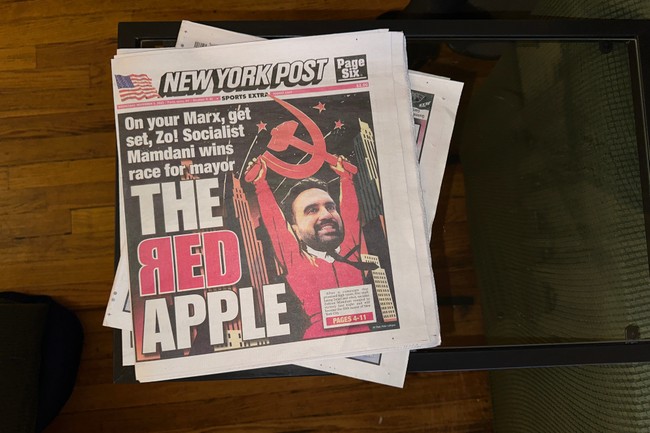
The election of Zohran Mamdani as New York City mayor exposed a wide network of leftist groups and foreign influence, much of it tied to Chinese interests; this piece traces those connections, the organizations involved, key individuals, social media dynamics, and why conservatives should be alarmed about Beijing’s role in amplifying divisive candidates and messages.
Earlier this month, New York voters chose a mayor with a clear Marxist background and well-established ties to far-left circles. Beyond concerns about Islamist sympathies, there is substantial evidence linking Mamdani’s rise to organizations and donors with ties to China. That influence shows up in funding streams, activist coalitions, and coordinated messaging aimed at fomenting unrest and polarizing communities.
A network centered on Neville “Roy” Singham and affiliates played a central role in mobilizing activists and money. These groups include well-known far-left outfits that share personnel, events, and financial support with pro-Beijing organizations. The strategy is familiar: back the most disruptive candidate you can, amplify grievances, and deepen social fractures so that an adversary’s cohesion is weakened from within.
Groups that publicly backed Mamdani overlap in membership and tactics, creating a dense web of influence. They used protests, campus outreach, and targeted cultural messaging to reshape local narratives, often painting opposition as racist or Islamophobic. That approach dovetails with the broader concept of psychological and cultural tactics that aim to destabilize political opponents without overt military action.
Several activist coalitions also led coordinated protest movements pushing anti-American and anti-Israel narratives while advancing Marxist messaging. These campaigns sought to build momentum in public spaces and to pressure institutions, leveraging theatrical demonstrations to capture headlines. The overlap between protest organizing and donor networks made those efforts more effective at scale.
Key donors and relatives of donors appear in the fundraising roll for Mamdani and allied PACs, linking campaign cash to people with business or academic ties to China. Some contributors held leadership roles in organizations or had family connections to China-based entities, creating optics of foreign influence on a high-profile local race. The concentrated funding helped underwrite outreach efforts aimed at specific communities.
Grassroots mobilization in Asian American neighborhoods also mattered. Community organizations that endorsed Mamdani coordinated voter outreach and volunteer recruitment, turning neighborhood networks into electoral advantages. Those groups’ prior relationships with China-linked civic organizations added an extra layer of concern about the direction of their influence.
Prominent influencers and content creators amplified Mamdani’s message on platforms with global reach. Social media algorithms and platform decisions, whether influenced by outside actors or shaped by internal moderation choices, helped determine which voices reached younger voters. The result was a significant youth turnout that favored the more radical candidate.
Some volunteer operatives and video editors who supported Mamdani have histories of defending or flattering Beijing’s actions online. Their content framed China as misunderstood and downplayed serious human rights allegations, while simultaneously producing pro-campaign material. That alignment made it easy for overseas narratives to blend with local political promotion.
At the election watch party, some leftist allies openly lamented past U.S. foreign policy victories and expressed sympathy for authoritarian models abroad. Those remarks were amplified by pro-Mamdani media and influencers who had built audiences receptive to anti-establishment themes. This entourage effect amplified fringe talking points into mainstream conversation during the campaign.
Official endorsements from local politicians with long-standing ties to China raised additional questions about coordination and influence. Those relationships included attendance at events organized by Chinese consular entities and prior defense of figures accused of acting on Beijing’s behalf. Such ties fuel concerns about the depth of overseas sway in municipal affairs.
The use of platforms like TikTok to push pro-candidate content while allegedly suppressing opposing views highlights how digital channels can be weaponized. Younger voters relied heavily on these platforms for information, making them a decisive vector for shaping perceptions. The combination of algorithmic favor and dedicated influencer promotion created a powerful feedback loop.
Given the pattern of funding, activism, and messaging, conservatives must be vigilant about how foreign-directed resources and sympathetic domestic networks interact. The tactics observed in this race are consistent with a broader playbook that seeks to elevate disruptive political actors and erode civic trust. Policymakers at all levels should take note of how campaign finance, community organizing, and online platforms intersect to influence elections.
What happened in New York is not isolated; it reflects a larger strategy by hostile actors to tilt the political environment toward chaos and away from institutional stability. That strategy depends on money, manpower, and media—both traditional and digital—to magnify discord. Recognizing those components is the first step toward crafting legal and policy responses that protect democratic processes without undermining legitimate civic participation.
Last night, NYers voted against the chokehold that has been the rule of billionaires. This is a very significant political moment.
Let’s make them real big mad and build a socialist movement independent of the two party system and the billionaire class! The consciousness is there – now we organize.
In fact, as 2024 socialist presidential candidate Claudia De la Cruz states, what we do next is as critical as ever. Now, we must engage our people in the work to forge a deep transformation of society.
…Ogles is fanning the flames.
We went to his office to get some answers. His staff left us with more questions.
He claims that China liberated Tibetans from slavery by invading and annexing their country. Tankies are scum.
None of this is a coincidence. Mamdani’s election should serve as a warning to everyone about how the CCP wields its financial resources, vast network of organizations, and platforms to interfere in American elections at all levels. Beijing seeks to elevate political voices that exacerbate domestic divisions and weaken the institutions and values that are foundational to the American republic.
Mʏ ʟᴀsᴛ ᴘᴀʏ ᴄʜᴇᴄᴋ ᴡᴀs 8500 ʙᴜᴄᴋs ᴡᴏʀᴋɪɴɢ 10 ʜᴏᴜʀs ᴀ ᴡᴇᴇᴋ ᴏɴʟɪɴᴇ. My younger brother friend has been averaging 11k ʙᴜᴄᴋs for months now and he works about 22 hours a week. I cant believe how easy it was once I tried it out…….
Tʜɪs ɪs ᴡʜᴀt I ᴅᴏ__________ EarnApp1.Com
This reminds me of old Chinese warfare history where the saying was your enemy should be defeated before you ever step onto the battlefield.