
The Gary Tin Mill is coming back online at U.S. Steel’s Gary Works, bringing 225 jobs and a boost to American manufacturing; this piece explains what the restart means for tin supply, local workers, and the broader argument for reshoring industry while keeping the company statements and local reactions intact.
The announcement that U.S. Steel will restart the Gary Tin Mill is a clear win for domestic production and for the Rust Belt community that has long relied on heavy industry. Restoring tin mill capability means more American-made inputs for coated steel used across manufacturing and packaging. Bringing 225 jobs back to Gary is not just a number; it’s wages, benefits, and local economic ripple effects in a city eager for opportunity.
Tin is critical as a corrosion-resistant coating on steel, applied either electrolytically or by hot dipping, and domestic capacity reduces reliance on foreign supply chains. Having reliable, American-produced tin mill products strengthens the entire supply chain for manufacturers that depend on coated steel. That kind of resilience matters when market shocks and foreign trade distortions threaten steady access to essential materials.
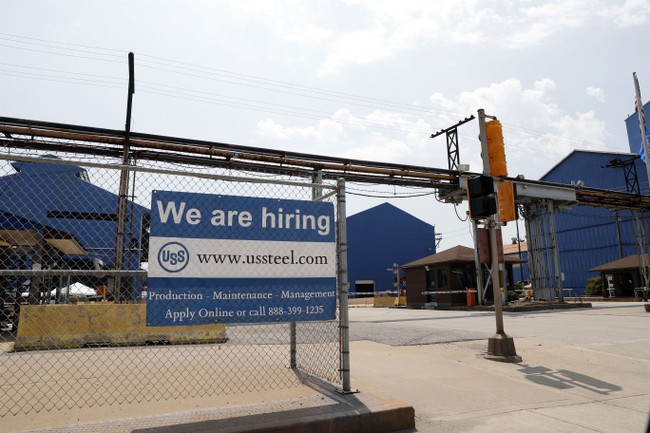
U. S. Steel today announced plans to restart the Gary Tin Mill at the company’s Gary Works facility, positioning the company to increase domestic tin mill production and provide customers with American made supply.
The planned restart requires sustained customer interest in securing long term domestic tin mill supply and U. S. Steel’s belief that demand can be met by increased U.S. production when market conditions allow for fair competition. The restart is intended to provide customers greater access to reliable, American made tin mill products—mined, melted, and made in America—as part of a more balanced domestic supply mix.
Company and local officials are explicit that restarting the mill depends on sustained demand and fair market conditions, which points to a larger policy conversation about trade and competition. If the market supports it, the plant is expected to be fully operational in early 2027, which gives time for workforce development and supply contracts to be secured. This kind of timeline is realistic for heavy industrial restarts and allows communities to train workers for the specific skills the mill will need.
Northwest Indiana dignitaries celebrated the announcement after it was made. Gary Mayor Eddie Melton, called the move “a great step forward for our city, our local workforce, and the broader American manufacturing industry.”
“As we look toward the Gary Tin Mill becoming fully operational in early 2027, my administration is eager to work closely with U.S. Steel and our local workforce development agencies,” he said. “We are fully committed to preparing Gary residents for the jobs associated with this project, ensuring that our community is equipped, trained, and first in line to step into these essential roles.”
Indiana State Representative Carolyn B. Jackson, D-Hammond, also welcomed the announcement.
“This is exactly the kind of investment our community deserves,” Jackson said. “These good-paying jobs at Gary Works mean 225 more families in Northwest Indiana with the stability and security they need. I’m proud to see Gary continue to be a hub for American manufacturing, and I’ll keep fighting at the Statehouse to make sure our workers and our Region get every opportunity to thrive.”
Political support across party lines for bringing jobs back underscores how manufacturing revitalization can be a unifying economic priority. Local leaders are already planning workforce coordination so residents are first in line for hiring, which helps ensure the benefits land where they’re needed most. The practical result is stronger local tax bases, more consumer spending in town, and reduced pressure on social services that face strain when unemployment is high.
Rebuilding industrial capacity like this ties back to a simple strategic truth: logistics and production win wars and sustain peace. U.S. manufacturing has been America’s backbone since the Industrial Revolution, and restoring plants that make essential materials is a smart, pragmatic national strategy. That does not mean ignoring high-tech leadership; it means pairing advanced industries with the steady, foundational work of making things here at home.
For Gary, Indiana, the mill restart is a practical victory — jobs, investment, and a renewed sense of purpose for a city built on steel. For the country, it is an argument for policies that support fair competition and onshore production, so American manufacturers can count on American suppliers. The restart of the Gary Tin Mill is a concrete step toward reshoring critical capacity and strengthening manufacturing where it matters most.
This seems appropriate.



Add comment