
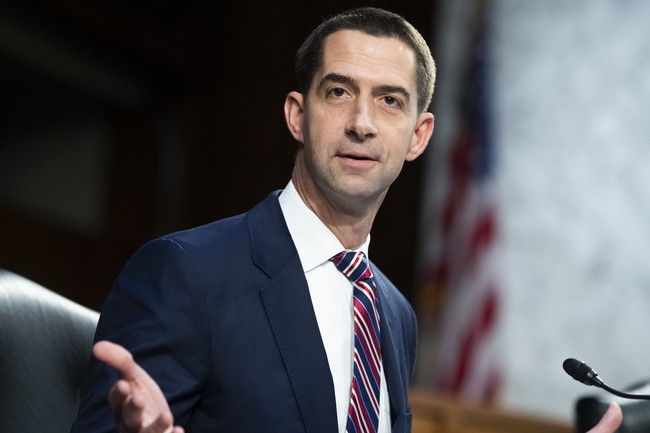
I’ll call out the bad reporting, show the relevant facts, quote Senate Intelligence Chair Tom Cotton, explain why leaking classified briefings is a serious problem, and note CNN’s partial revision without repeating or linking to the original sources.
CNN ran a dramatic claim that the Trump administration admitted in classified briefings they did not plan for Iran possibly closing the Strait of Hormuz, and that narrative spread fast. That assertion sounded off from the start because closing Hormuz is a core contingency the U.S. military has trained for for decades. When outlets push sensational takes during a tense military moment, it risks both misinformation and dangerous political gamesmanship.
The network paired that story with other errors this week, and the pattern matters. Mistakes about who was targeted in a New York bombing and sloppy character attacks on public officials piled up, creating a credibility problem. When media outlets lean into politically charged stories without airtight sourcing, they feed partisan division instead of sober oversight.
One particularly odd claim floated by a CNN commentator suggested Secretary Pete Hegseth had diverted $6.9 million in lobster for a month, a line that barely withstands a moment’s scrutiny. The lobster and steak mentioned were reportedly intended for troops, not some lavish personal use, and that context matters. Attacking military support during an ongoing operation looks like a political stunt more than responsible reporting.
Senate Intelligence Committee Chair Tom Cotton stepped in with a blunt rebuke that cuts to the heart of the matter. He wrote, “As Chairman of the Intelligence Committee, let me make clear: whoever leaked this lied. CNN should do some fact-checking. The U.S. has planned for Iran to try to close the strait for decades.” That is a straightforward credentialed denial from the person who oversees the relevant oversight work.
“As Chairman of the Intelligence Committee, let me make clear: whoever leaked this lied. CNN should do some fact-checking. The U.S. has planned for Iran to try to close the strait for decades.”
Cotton’s role gives weight to his words. If the reported leak came from someone in a classified session, it raises two problems: either the leaker deliberately misrepresented what was briefed, or the outlet failed to verify what was said. Both scenarios are troubling because they involve classified material and the national security interests tied to it.
Leaks from closed briefings are not a political parlor game; they can undermine operational security and strategic deterrence. A small set of people attend these sessions, so identifying the source is plausible and necessary. The Senate should use its oversight tools to determine whether someone in the chain of trust misused classified information to score partisan points.
Beyond the question of faulty sourcing, there is the larger pattern of reporting that treats worst-case interpretations as facts. Media outlets often present unverified assertions as definitive, especially when those claims fit a narrative about political incompetence or chaos. That approach corrodes public trust and can dangerously shape policy debates while officials are still making decisions on the ground.
When networks cite anonymous sources in classified settings, journalists have an obligation to be extra rigorous. Anonymous sourcing has its place, but it requires standards: multiple independent confirmations, clear chain-of-custody for documents, and transparent disclosures about why names are withheld. Without those practices, the temptation to use hearsay as headline fodder grows.
CNN did adjust its wording after pushback, moving from a stark claim to a more nuanced account that lawmakers had pressed officials about plans to re-open the strait. That shift is important, but updating does not erase the initial impact of the original report. The damage is done when misleading headlines spread in the moment they can influence public perception and policy discussions.
At a minimum, the incident should prompt newsroom leaders to tighten vetting and reconsider how anonymous sources in national security stories are handled. For senators and oversight officials, it should trigger an inquiry into who leaked sensitive briefing details and why. Honest mistakes happen, but deliberate misleads tied to classified briefings are a different animal.
Public debate about military policy and executive decisions is vital, but it must be grounded in accurate reporting and responsible disclosure. When outlets rush to judgment in high-stakes moments, they do a disservice to the country and to the public’s ability to weigh facts. The focus here needs to be on restoring standards and ensuring national security discussions in closed sessions remain secure and factual.
The stakes are real: a false narrative about preparedness at the Strait of Hormuz could embolden adversaries and unsettle allies. That is why accountability matters more than political point-scoring during a conflict. Leaders and journalists alike should remember that credibility is earned by careful reporting, not by chasing headlines.

Add comment