
Friday the 13th makes some people nervous and others shrug it off, but the day’s odd reputation has clear roots in religion, mythology, history, and pop culture. This piece traces how a mix of biblical stories, Norse myths, Victorian social experiments, wartime tragedies, and horror movies stitched together the unlucky aura around that calendar date. You’ll get the origin stories, a quirky 19th-century counter-movement, a few grim events that reinforced the fear, and the role of movies and superstitions in keeping the myth alive. The aim is to explain why a simple date can still feel charged in modern life.
Fear of Friday the 13th partly comes from early Christian associations. The Last Supper had Jesus and his twelve disciples, and the thirteenth guest is traditionally identified as Judas Iscariot, the betrayer, while Jesus’ crucifixion is linked with a Friday. Those two threads—betrayal and a Friday—gave people a narrative hook to treat the number 13 and that weekday as ominous. Once you connect religious drama to a day and a number, it’s easy for a superstition to spread and stick.
Norse mythology also contributes to the unease around the number 13. In one tale, twelve gods gather and Loki, the trickster, arrives uninvited as a thirteenth presence. Loki manipulates Hod into killing Balder, the god of light, which brings grief and chaos. That story echoes the Christian one: the thirteenth arrival triggers harm, and the parallel helped the idea gain traction across cultures that valued those myths.
In the late 19th century a Union veteran named William Fowler tried to flip the script. He founded the Thirteen Club to mock and neutralize the superstition. The club’s first meeting was held on Friday, January 13, 1882, at 8:13 p.m., and members met on the 13th of each month in room 13, ate a 13-course meal, and staged stunts like walking under ladders while unfurling a banner that read “Morituri te Salutamus.” That Latin phrase, used for theatrical effect, captured the club’s point: some fears are worth deflating through humor and ritual.
Despite those efforts, real-world disasters tied to Fridays and the number 13 didn’t help. Significant tragedies that happened on Friday the 13th—such as the German bombing of Buckingham Palace in September 1940 and a devastating cyclone in Bangladesh in November 1970—fed public perception that the date carried bad luck. High-profile murders and violent deaths occurring on that day also reinforced a cultural narrative that unlucky things cluster around that calendar date.
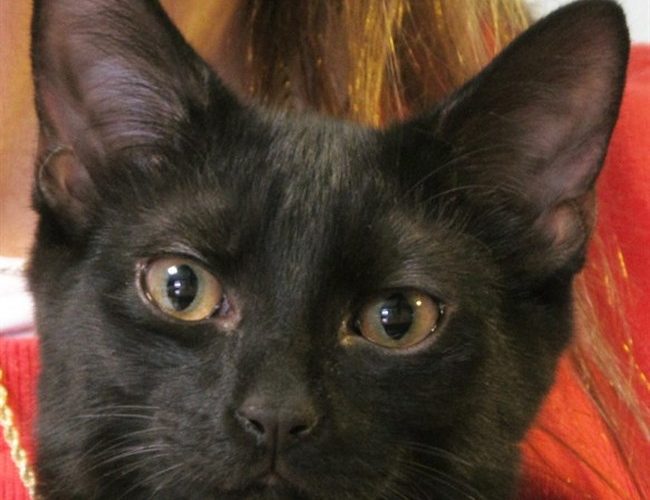
Popular culture did what it often does and amplified the fear. The “Friday the 13th” horror franchise, launched in 1980, turned a date into a brand of dread and introduced a masked killer into Halloween costumes and pop-memory. That franchise, plus familiar superstitions—avoid walking under ladders, beware black cats, and do not break mirrors—helps keep the day front of mind. The psychological side even has a name: Triskaidekaphobia, the irrational fear of the number 13, and it shows how a symbolic number can translate into real anxiety for some people.
Superstitions vary in how people practice them. Some folks openly scoff and claim they aren’t affected by Friday the 13th, while others quietly boost their routines—tapping a rabbit’s foot or avoiding risky choices. That small, private ritualizing can be powerful because humans look for control when faced with uncertainty, and a ritual, however irrational, provides it. The persistence of these habits explains why the day remains culturally potent even when most of us recognize the logic is thin.
This year produced back-to-back Friday the 13ths in February and March, with another one scheduled for November. Patterns like that attract commentary and jokes, and some people read modern events through the lens of superstition. Whether you treat the date as serious, silly, or somewhere in between, the mix of myth, history, collective memory, and media has made Friday the 13th a small but durable cultural fixture.
The rituals around Friday the 13th have been playful as much as fearful, from elite stunts to cinematic scares. The Thirteen Club’s theatrical mockery shows one way people tried to wrestle control from superstition, while films and news stories show how easily fear can be marketed and reinforced. Even though modern life is driven by data and schedules, symbolic days like this remind us that stories and symbols still shape behavior. They’re a reminder that history, myth, and culture mix in surprising ways.



Add comment