
Thursday, March 5, 2026 — A quick, punchy roundup of the day’s top headlines, Capitol activity, Supreme Court moves, and the Montana shakeup that grabbed Washington’s attention; expect sharp takes, a few exact quotes, and embedded moments where they belong. This piece keeps to the highlights, flags notable hearings and White House events, and puts the Montana developments front and center without fluff.
Good morning. The week in Washington has been busy and a little theatrical, and Thursday promises more of the same with committee hearings, presidential engagements, and legal developments that matter. I’ll walk through what’s trending, what’s scheduled on the Hill, and why Montana suddenly matters in national politics. The tone here is straightforward: conservative, no-nonsense, and focused on facts and consequences.
Top stories around conservative outlets are varied but pointed. Coverage ranges from personnel shakeups tied to local crises to a senator intervening at a hearing to keep order, and commentary on vice presidential readiness. The content mixes quick hits with sharper takes about leadership and accountability, and the feeds reflect a base eager for competence and clarity from leadership.
Mayoral candidate Spencer Pratt has been calling for Quiñones’ resignation, firing, or prosecution since the fire, and is also gunning for Karen Bass and Gavin Newsom. Wednesday’s announcement means there’s one down, and two to go.
Capitol confrontations made headlines when Senator Tim Sheehy stepped in during a disruptive hearing, an episode that drew attention for both the disruption itself and the senator’s response. That moment was described in vivid terms by reporters capturing the scene. It’s the kind of visual that plays well with voters who want officials who will step up rather than look away.
The Capitol Police attempted to remove McGinnis from the hearing room in order to stop his incessant disruptions, but they were not successful because McGinnis tightly gripped the door jamb while shouting, “No one wants to fight for Israel!” The CP could not break his grip.
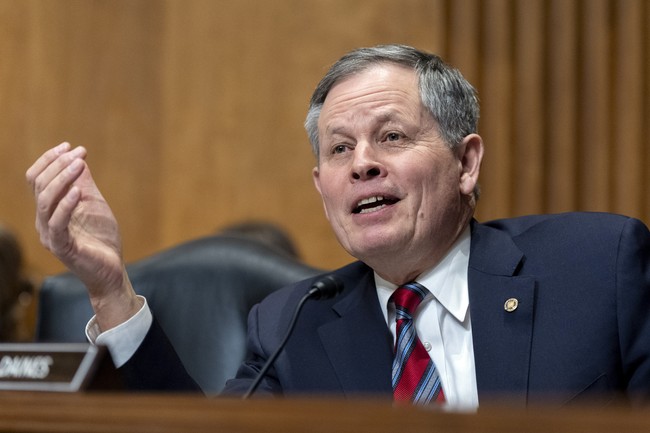
Wednesday also brought a surprise in Montana: a senior senator withdrew from reelection at the last minute and another candidate filed quickly to replace him, with the departing senator offering his endorsement. That sequence shifted immediate attention to Big Sky Country and opened the door to uncertainty about candidate readiness and the state’s political direction. It’s a reminder that political calculations can change in an instant.
On the Hill today, a crowded docket includes a mix of national security, fiscal oversight, health, veterans, and education matters. Committees will consider everything from drone industry capacity to child-care fraud bills and pandemic unemployment fund reviews. Expect partisan lines but also practical questions about implementation, oversight, and taxpayer protection.
The White House schedule lists Executive Time, an intelligence briefing, a reception for a sports team, and a policy meeting, suggesting a day that mixes routine governance with public-facing events. Press interactions remained sharp this week, and a recent briefing drew particular attention for its directness. That tone resonates with a conservative base tired of guarded answers and eager for plainspoken pushback against hostile media narratives.
The vice presidency is not a ceremonial slot or a television role. It is a heartbeat away from the Oval Office. If Democrats want to be taken seriously on leadership and stability, they need to treat that fact as more than a talking point. That means choosing running mates who could credibly take the reins on day one, not just stand behind the podium, echo the latest message, and avoid making waves.
The Supreme Court released two unanimous opinions that influence immigration appeals and sovereign immunity issues. One decision clarified the standard of review for asylum findings on appeal, and the other addressed whether a transit corporation is entitled to state sovereign immunity. These rulings are narrow but impactful for ongoing administration priorities and litigation strategies.
On Wednesday, the Supreme Court released two unanimous opinions: In Urias-Orellana v. Bondi, the court held that the Immigration and Nationality Act requires federal courts of appeals to apply the substantial-evidence standard when they review a determination that an asylum seeker’s experiences do not rise to the level of persecution. In Galette v. New Jersey Transit Corporation, the court held that the New Jersey Transit Corporation is not an arm of the state of New Jersey and thus is not entitled to share in New Jersey’s interstate sovereign immunity from suit.
Weekend planning includes a presidential summit in Florida where leaders from the hemisphere will meet, a gathering worth watching for U.S. foreign policy direction and economic cooperation. Domestic politics and international strategy are converging, and the outcomes will matter for trade, migration, and regional security priorities.
No slight intended toward Montana — it’s a large, lovely expanse — but it doesn’t regularly feature in the news out of Washington. And yet, it was front and center on Wednesday. First, we had Sen. Tim Sheehy (R) jumping in to assist Capitol Police in their efforts to remove a loud, unruly protester from a Senate hearing — a scene that wound up looking a bit like something out of WWE.
Then, we had a last-minute switcheroo with the state’s senior senator abruptly announcing he would not be seeking reelection, moments before the filing deadline expired. A new candidate stepped in and secured that important endorsement, creating a scramble and a test case for rapid campaign preparedness. It’s a real-time example of political volatility and how quickly the landscape can change.
Light moments and embeds follow below to capture specific clips and highlights from the day’s coverage and appearances.
!



Add comment