
The Minnesota fraud scandal exposed how weak oversight, political protection, and misplaced priorities can funnel taxpayer dollars into criminal networks, with devastating consequences for children and the public trust. This article walks through the timeline, key figures, the scale of the theft, and why leadership failures at the state and federal levels deserve accountability. It compares outcomes in blue-run states to results in states that prioritize accountability, and it argues that local elections and leadership choices matter. The piece keeps focus on the facts, quotes, and numbers that show the depth of the problem.
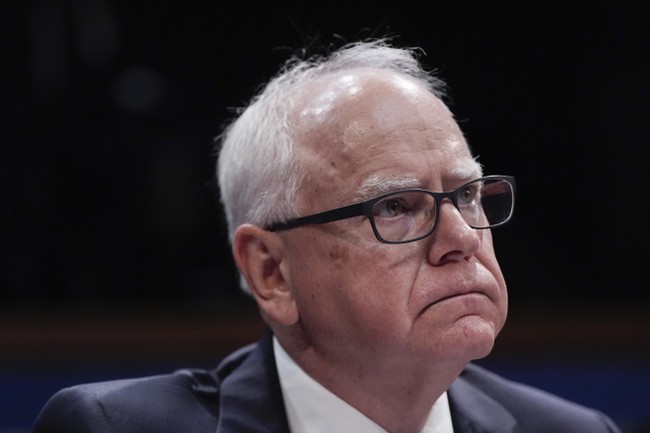
Gov. Tim Walz and Rep. Ilhan Omar are at the center of a political storm after revelations that more than $1 billion in taxpayer funds was diverted through a fraud scheme tied to Minnesota’s Somali community. The scandal has forced Minnesota Democrats into a familiar posture of half-apology, half-denial, with responses that amount to, “How could we have possibly known about this?” That reaction rings hollow to voters watching millions disappear while children went without promised meals.
Critics point out that whistleblowers first noticed red flags in July 2019, only months after Gov. Walz took office, yet the scheme continued and grew. Feeding Our Future, the charity at the heart of the scandal, reportedly received nearly $250 million in federal funds for 91 million meals that were never delivered. Federal prosecutors say the money instead funded lavish lifestyles and, according to the U.S. Treasury, some millions were routed to al Shabaab, a U.S.-designated terrorist organization.
The fraud did not begin with COVID relief, investigators say; it predates the pandemic and expanded dramatically in 2020 as relief programs poured cash into strained systems. Feeding Our Future filed a lawsuit in 2020 alleging discrimination by the state, claiming it was unfairly blocked from doing business because of race, national origin, color, and religion. The civil case was dismissed after FBI search warrants and a public investigation in January 2022 exposed the criminal operation.
Federal prosecutors later announced criminal charges that ballooned over time: what started with dozens charged eventually grew to 78 defendants, and at least 59 have been convicted so far. Current tallies place the initial loss at over $1 billion, and many experts argue the true cost likely climbs into the multi-billion-dollar range. Those numbers are sobering, and they underscore systemic failures across agencies charged with oversight.
Throughout the unfolding scandal, no top Minnesota official has accepted meaningful responsibility, critics say. Neither the state Department of Education staff implicated by whistleblowers nor the state’s most prominent Democratic leaders have offered a clear, public accounting for how the fraud went on for so long. That absence of ownership fuels a broader narrative: when political leaders dodge blame, governance suffers and corruption grows.
President Trump reacted sharply, saying Somali migrants “ripped off” Minnesota and calling the state a “hellhole,” a description that inflamed the debate but did not change the facts on the ground. Immigration and Customs Enforcement increased operations in the Twin Cities after the revelations, while Governor Walz labeled the president’s comments “vile, racist lies and slander” without addressing the underlying fraud. The disconnect between condemnation and corrective action is exactly what voters are frustrated by.
This scandal is not presented as an indictment of a whole community, but as an indictment of political systems and leadership that allowed fraud to flourish. When whistleblowers raise alarms and are met with pressure instead of protection, the institutions meant to safeguard public dollars fail. That failure has practical consequences: taxpayer money vanished, children went hungry, and national security risks emerged when funds allegedly reached extremist groups.
Comparisons with other states are instructive: places that prioritized accountability and strict oversight during the pandemic saw fewer examples of sprawling fraud and faster corrective steps. Florida is cited by critics of Minnesota’s leadership as an example where aggressive policies, criminal accountability, and pro-growth governance have produced better outcomes on education, public safety, and economic performance. Those contrasts are political, but they underline a simple point about governance: outcomes follow choices.
Anyone paying attention to the broader pattern of mismanagement in blue states sees a through-line from local offices up through state and federal posts. The Minnesota case shows why local elections matter and why grassroots attention to school boards, county offices, and state agencies can change how taxpayer dollars are protected. The debate now is about who will accept responsibility, who will reform broken processes, and who will make sure the public’s money actually serves the public.
What remains clear is this: the scandal exposed serious oversight gaps, produced staggering criminal charges and convictions, and left a trail of unanswered questions for Minnesota leaders. Voters, taxpayers, and investigators will be watching how officials respond in hearings, prosecutions, and policy changes meant to prevent another scandal of this scope. The consequences of inaction are too large to ignore, and the demand for reform is only growing.


Walz labeled the president’s comments “vile, racist lies and slander”
NO, Walz is absolutely a VILE LYING FRAUD INSTIGATOR AND TRAITOR, who should be brought up on such charges at GITMO before a Military Tribunal and then be summarily executed for all the death and destruction he directly and indirectly caused doing his evil deeds!