
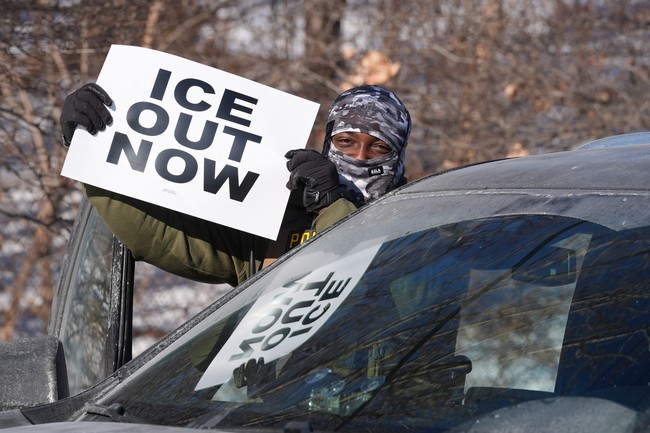
I’ll call out what happened, explain why it matters, point out the hypocrisy, and show how this undermines respect for law and public safety.
There has been a coordinated effort in Minneapolis by an anti-ICE group that has crossed lines. Members set up neighborhood “checkpoints” to question and block people they suspect might be connected to immigration enforcement. Video and eyewitness accounts show confrontations with journalists and bystanders, including an alleged shove captured on camera, which raises real concerns about intimidation and unlawful behavior.
These activists claim moral high ground while acting like street enforcers, stopping people and demanding identification or ejection from public spaces. That behavior mirrors the kind of vigilantism most sensible people reject, and it weakens the case for lawful dissent. Public protest has a place, but creating private roadblocks and interfering with free movement is neither respectable nor legal.
The irony is hard to miss: the same people who denounce ICE for heavy-handed tactics are willing to play the role of investigators and cops themselves. Some wear masks and cover faces while exercising extrajudicial power, which undercuts their credibility when they lecture about transparency and accountability. When activists pick and choose which rules matter depending on convenience, they expose a double standard that alienates potential allies.
Journalists doing their job have reportedly been harassed and, in one instance, physically shoved. A free press is essential for transparency, and attacking reporters is an attack on the public’s right to know. If true, those actions should be condemned across the political spectrum, and the individuals responsible should face appropriate consequences under the law.
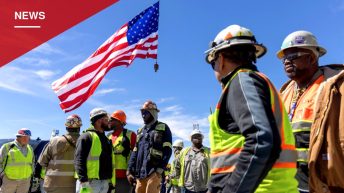
This episode also includes a more bizarre element: imagery that attempts to borrow the symbolism of great American sacrifices to promote a local political stunt. That comparison is tone deaf and disrespectful, especially when it evokes the memory of those who fought and died in major conflicts. It doesn’t matter which side of the argument you favor; appropriating heroic symbols for a street-level protest crosses a line.
Mocking or mimicking wartime iconography to stage a political photo op is a display of hubris, not humility. People who genuinely honor military service understand the gravity behind those images and would never conflate it with a neighborhood confrontation. Using that imagery as a prop cheapens real sacrifice and sows resentment rather than sympathy.
https://twitter.com/antontreuer/status/2018314601755025910
The public safety angle is central: efforts to obstruct federal law enforcement through makeshift checkpoints risk creating dangerous situations. Trained officers follow procedures and oversight; untrained civilians attempting to enforce policy do not provide the same safeguards. Allowing or tolerating that behavior invites chaos and sets a precedent that any group can claim enforcement authority when they feel strongly about an issue.
Local officials and law enforcement should be clear about boundaries: peaceful protest is protected, but harassment and blocking public ways is not. Condoning intimidation tactics undermines community trust and encourages escalation. Leaders need to emphasize lawful avenues for reform while ensuring public order remains intact.
Social media reactions illustrate how badly this landed for the activists who staged the photo op. Attempts to silence criticism by disabling comments or moderating dissident voices rarely work in the internet age, and that strategy often amplifies public backlash. When activists avoid accountability for a stunt, they demonstrate an unwillingness to engage in honest debate about their tactics and goals.
At the end of the day, effective advocacy depends on moral clarity and consistency. If a movement wants broad public support for policy changes, it must respect the law, the press, and the symbols that bind the nation. Anything less makes it easier for opponents to dismiss legitimate concerns and for lawmakers to ignore calls for constructive reform.
The optics here are not a minor complaint; they shape public perception and influence whether debate moves forward. When protesters cross into coercion or symbolic mockery, they close off avenues for compromise and feed into narratives that no one benefits from. Responsible activism lifts up arguments with facts and respect, not with theatrics that insult service and invite legal trouble.
Ultimately, communities deserve safety, clear rules, and an honest conversation about immigration policy and enforcement. Activists who undercut that goal with unlawful behavior and tasteless imagery do a disservice to the causes they claim to champion. Restoring constructive dialogue means sticking to lawful protest, protecting journalists, and avoiding gestures that demean those who have served the country.


Add comment