
Checklist: critique budget and public safety priorities; recount campaign promises and policy shifts; detail impacts on city services and policing levels; highlight tax-and-spend approach and its likely consequences; preserve key quotes and embeds.
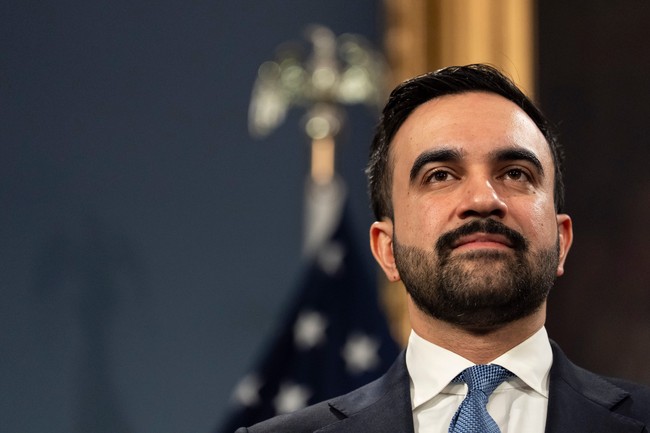
Zohran Mamdani ran on a different vision for New York and now he’s putting that vision into practice. Voters who warned that this direction would change how the city functions are watching those warnings come true. From missed municipal services to a reshaped public safety plan, the early signs are unmistakable. The city is adjusting to a mayor whose priorities do not match the everyday needs of many New Yorkers.
Since taking office, Mamdani has blamed budget shortfalls for the cuts and shifts he’s proposing, calling it a “historic budget gap.” He claims fiscal pressure forces choices, but those choices include shrinking police capacity and altering who responds to public-safety incidents. Former plans to expand the NYPD and add thousands of officers have been set aside. The new proposal caps street officers at a lower level and trims policing dollars while pursuing alternative responders.
Under the previous mayoral plan, the NYPD aimed to recruit many more officers over several years, restoring manpower on city streets. That plan promised thousands of additional officers and a stronger visible presence in neighborhoods. Mamdani’s budget changes cut into that trajectory, reducing the projected fiscal support and capping officer numbers well below what was planned. The practical result will likely be fewer uniformed officers available to handle violent confrontations and fast-moving emergencies.
Mamdani campaigned on creating a Department of Community Safety intended to prevent violence through social programs and non-police interventions. His platform described a focus on mental health and crisis response, proposing outreach workers in subway stations and community-based alternatives. While that sounds noble in theory, it places unarmed staff into volatile situations where trained police have traditionally intervened. The risk is clear: when a weapon appears, those outreach teams are not equipped to respond in the same way officers are.
During the campaign he did offer a concession, saying, “Police have a critical role to play.” That line suggested a more nuanced approach than outright calls to defund. But current moves to cap policing levels and shift responsibilities read like a stealth reduction in policing capacity. Whether labeled reform or reallocation, changing who answers urgent calls changes outcomes for victims and bystanders.
The mayor’s solution to fiscal gaps relies heavily on higher taxes targeted at wealthy residents and profitable corporations. He framed this as “the most sustainable and the fairest path,” calling for higher levies on the richest New Yorkers and big business. That economic approach assumes the wealthy will stay and corporations will accept heavier burdens without relocating. History suggests otherwise: steep tax hikes can prompt businesses and high earners to seek friendlier tax climates.
There are two paths to bridge this gap. The first is the most sustainable and the fairest path. This is the path of ending the drain on our city and raising taxes on the richest New Yorkers and the most profitable corporations.
Mamdani warned of an alternative if taxes on the wealthy do not fill the gap, saying the city might then raise property taxes and raid reserves. That second option squarely threatens middle-class homeowners and retirees who can’t easily leave the region. The potential cascade—firms departing, shrinking tax base, then broader tax hikes—would be a predictable outcome of aggressive tax-and-spend policies.
And if we do not go down the first path, the city will be forced down a second, more harmful path. Faced with no other choice, the city would have to exercise the only revenue lever fully within our own control. We would have to raise property taxes. We would also be forced to raid our reserves to balance the budget as required by law.
New Yorkers are already feeling the fallout: delayed snow removal, piles of trash, and public encounters that end in violence and headlines. Those service failures are concrete consequences that affect daily life and public confidence. When basic municipal functions falter, residents lose faith in leadership and public safety suffers along with civic order. The mayor’s choices are reshaping what it means to live in the city.
This is not an abstract debate about theory versus practice. It’s a realignment of priorities: fewer officers on patrol, more responsibilities pushed to social-services crews, and a fiscal plan that leans heavily on taxing success. For voters who did not support Mamdani, these shifts confirm earlier warnings. For those who backed him, the coming months will show whether alternative responses can match the speed and force of traditional policing.
The stakes are practical and immediate: who answers when danger appears, how quickly streets are cleared after storms, and who pays to keep the city functioning. New Yorkers should watch how these policy choices play out in neighborhoods and transit hubs. The mayor has signaled his direction, and now New York is living with the results.

There is a third alternative, cut spending! Novel concept for a Democrat but one that works for more people than the first two.
Dems have always been about Tax and Spend! I say totally nuts and rotten to the core like this Islamist/Commie! He is preparing NYC to become Hell City!