
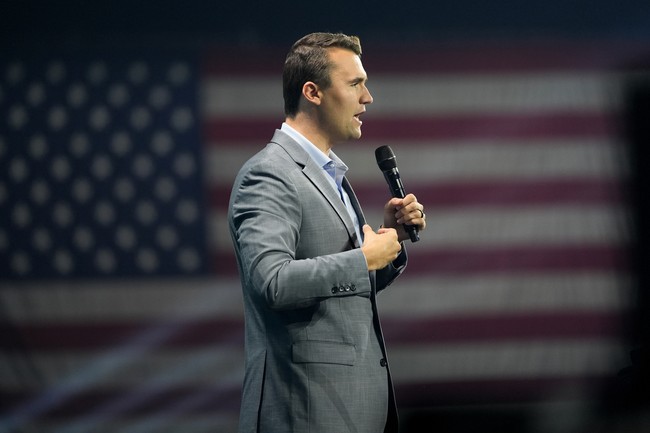
The preliminary hearing for Tyler Robinson, accused in the September 10, 2025, killing of Charlie Kirk at Utah Valley University, has turned into a painful, tightly watched legal proceeding that laid out the prosecution’s case, raised fights over public access to evidence, and produced a moment where the judge’s visible reaction to a muted video captured national attention. Family members, friends, and the public have followed testimony about the unfolding timeline, the surveillance and phone evidence, and procedural choices the court must make about what can be seen and by whom. This article walks through the hearing’s key developments, the evidence the prosecution presented, and the procedural tensions shaping whether this case moves to trial. The judge’s stunned response to the shooting video remains the image people keep returning to as the court weighs next steps.
The hearing reached its fourth day amid an atmosphere of grief and legal formality. Charlie’s widow and his parents attended much of the testimony and left the courtroom at times when graphic material was shown. The presence of public figures underscored the broader attention the case has drawn, and the courtroom has been a place where private tragedy met public scrutiny.
The preliminary hearing’s sole legal purpose was straightforward: the prosecution must present enough admissible evidence to convince the judge that a trial is warranted. That limited role matters because it is not a determination of guilt or innocence. Defense counsel and prosecutors sparred over both the strength of the evidence and how much of it should be accessible beyond the courtroom today.
A central friction this week was whether evidence should be released publicly. The Kirk family has pushed for openness, while defense lawyers have sought restrictions that would limit public broadcasts and wider circulation. The judge has several options: keep evidence sealed, allow only in-court viewing, or permit a designated camera to record and broadcast what is shown to the court.
Much of the material the prosecution relied upon had already been circulated before the hearing, and the court revisited those items under oath and through legal procedure. The state showed surveillance footage that appears to show a man moving around the UVU campus the morning of the shooting, additional video of a person who seems to be the accused wearing different clothing shortly before the attack, and messages allegedly sent by the defendant admitting responsibility. Each piece was introduced not to secure a verdict but to meet the threshold for a full criminal trial.
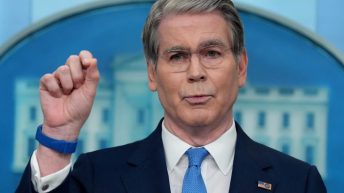
One of the most discussed moments occurred when Judge Tony Graf viewed a muted video filmed from close behind Charlie, showing the moments of the attack. The judge watched the footage alone in the courtroom while audio was cut to protect family members, and his visible reaction was widely remarked upon after the session. The reaction did not determine the case, but it made clear the human toll behind the legal record and influenced renewed arguments over whether such material should be released or remain limited to the trial record.
Witness testimony so far has largely come from local law enforcement officers who responded to the scene or investigated the shooting. Prosecutors walked through chains of custody for exhibits, timelines compiled from camera timestamps, and the contents of recovered phones and messages. Defense counsel challenged interpretations of gait and clothing in video clips, questioned the sufficiency of linking that footage to the accused, and argued for caution before expanding public access to graphic material.
The defense also pointed out that the preliminary hearing is not the place to try credibility battles that belong at trial. They stressed legal protections to preserve a fair process and raised common concerns about prejudicial publicity. Those points matter in a case with nationwide attention and strong emotions, where ensuring a neutral forum for a potential jury trial remains a baseline judicial goal.
The prosecution emphasized a pattern: surveillance that tracks a person of interest across campus, behavioral changes in clothing and movement before the attack, and text messages that allegedly admit guilt. Prosecutors framed these elements as pieces of a broader mosaic supporting probable cause for indictment. Their burden at this stage is lower than at trial, but the narrative they presented was detailed and tightly organized.
Family statements made in advance of court have underscored private loss while politely stepping away from public commentary as the legal process moves forward. One statement read in court said, “Charlie was a beloved husband, son, brother, friend, and father. Every court proceeding serves as a painful reminder of his death and the loss that has irrevocably impacted our lives and the lives of his children. We remain deeply grateful for the support, prayers, and kindness we have received. This outpouring has sustained us during the darkest days of our lives. Out of respect for the judicial process, we will not be commenting further at this time. We ask for continued privacy as we navigate this process and immense grief.” That plea for privacy has guided how family members approached the proceedings this week.
The hearing was expected to conclude with the judge deciding whether Robinson will be bound over for trial. If the judge finds probable cause, the case moves into the formal trial phase where evidence must meet higher standards and witnesses can be cross-examined before a jury. Whatever the decision, the courtroom exchanges this week have already shaped the public record and set the stage for the next legal chapter in a case that has gripped many Americans.
https://x.com/InsiderWire/status/2074267614839230533?ref_src=twsrc%5Etfw

Add comment