
Checklist: explain the deposition revelations; detail the withholding of GOP lawmakers’ identities in subpoenas; report on the Speech or Debate concerns and the DOJ’s claimed role; note Cassidy Hutchinson testimony doubts; present direct quotes from the deposition; keep the focus on Jack Smith and Arctic Frost.
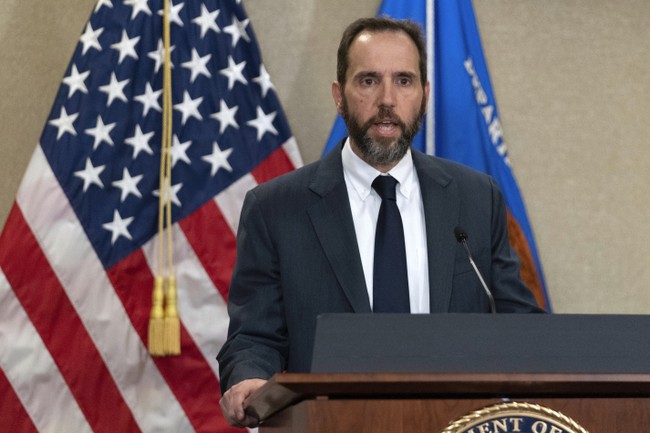
The latest deposition from former special counsel Jack Smith has Republicans rightly raising alarms about what happened during the Biden era. The session, taken before the House Judiciary Committee, revealed that subpoenas seeking phone records did not disclose the identities of lawmakers to the judges who approved them. That admission has big implications for separation of powers and for the protections members of Congress are supposed to enjoy. At a minimum, it casts doubt on whether proper legal guardrails were followed.
According to Smith’s testimony, the reason given for not identifying lawmakers in the subpoenas was that “it wasn’t Department policy at the time.” That simple line is now being used as a shield to justify sweeping measures that captured metadata tied to around a dozen members of Congress. Among those affected were high-profile Republicans whose call logs were reportedly obtained from major carriers. For conservatives watching, the explanation feels like an attempt to normalize overreach rather than own it.
Members of the Judiciary Committee pushed back hard, warning that the subpoenas risked trampling Speech or Debate protections. Lawmakers pointed out that toll records map who a member calls and who calls them, which reveals inputs to legislative decision-making and sits at the core of those constitutional protections. That argument goes beyond politics: it concerns the institutional independence of Congress from prosecutorial intrusion. If the DOJ thought it could sidestep those protections by hiding identities, that should trouble everyone who cares about separation of powers.
Asked by an unidentified Judiciary Committee questioner whether judges who approved the subpoenas knew they were demanding that phone carriers AT&T and Verizon hand over lawmakers’ call logs, Smith said: “I don’t think we identified that, because I don’t think that was Department policy at the time.”
Judiciary members pushed back that Smith’s team risked infringing on constitutional “speech or debate protections” for lawmakers, around a dozen of whom — including former House Speaker Kevin McCarthy (R-Calif.) and the panel’s chairman, Jim Jordan (R-Ohio) — had their cellphone metadata taken.
One committee questioner put the problem bluntly: “When it comes to Members of Congress, though, there are, you know, the Speech or Debate protections, which you totally sidestepped.” That questioner went on to explain the practical impact: mapping toll records against the congressional calendar reveals the inputs that drive legislation. The line of questioning forced Smith to defend the special counsel’s choices while Republicans framed the activity as an attack on the legislative branch.
Smith insisted his office “take the protections of the Speech or Debate Clause seriously,” and he stressed that his team consulted the Department’s Public Integrity Section, which reportedly concurred in seeking the subpoenas. Even with that claimed sign-off, critics argue that the responsibility cannot be shrugged off. Saying a different office approved it doesn’t erase the constitutional risk or the political reality that citizens and lawmakers expect basic safeguards.
The deposition also touched on another controversy: the value of testimony from key January 6 witnesses. Smith acknowledged problems with the firsthand nature of some claims, casting doubt on how reliable certain accounts were when used as evidence. For conservatives who questioned parts of the January 6 narrative, that admission is both vindicating and worrying, because it shows how testimony can be amplified without full vetting. The stakes are not just legal; they affect public trust in prosecutorial institutions.
Smith described some testimony as akin to that of a “second or even thirdhand witness,” noting that other witnesses offered “different perspectives” than what had been presented publicly. He said: “If I were a defense attorney and Ms. Hutchinson were a witness, the first thing I would do was seek to preclude some of her testimony because it was hearsay.” Those comments are direct and stark, and they undercut the idea that all high-profile testimony was solid, firsthand evidence.
Smith also observed that “a number of the things that she gave evidence on were secondhand hearsay, were things that she had heard from other people, and, as a result, that testimony may or may not be admissible, and it certainly wouldn’t be as powerful as firsthand testimony.” That frank assessment raises questions about how testimony was treated in public hearings and in media coverage at the time. For GOP critics, it strengthens the argument that the whole Arctic Frost matter—and associated investigations—deserve robust oversight.
What this deposition highlights is a mix of bureaucratic rationalizations and consequential decisions that affected elected officials’ privacy and the integrity of legal proceedings. Republicans will keep pushing for answers about who authorized what and whether judges were fully informed. The broader point is that accountability matters, and the claim that policy explains away controversial actions won’t satisfy those who want the rule of law applied evenly and transparently.

Why isn’t Smith in federal prison by now. He belongs in prison for life for all his corruption. Arrest him and put him in federal prison where he belongs.