
The Department of Health and Human Services saw a late-week personnel shift as officials moved to tighten operations and messaging ahead of the midterm elections, with a new chief counselor named and reports that a prominent deputy has left the agency.
A Friday afternoon shakeup at HHS appears aimed at sharpening the department’s leadership. Reports say Chris Klomp, currently Medicare Director, was elevated to Chief Counselor at HHS to oversee operations, signaling a move toward more disciplined management as the midterms approach. The change follows an HHS statement outlining several appointments intended to advance President Trump’s healthcare priorities and the Make America Healthy Again agenda.
Jim O’Neill, who served as HHS deputy secretary and acting director of the Centers for Disease Control and Prevention, reportedly updated his social media bio to indicate he is “formerly @hhsgov,” which many took as confirmation of his departure. That social media change, paired with reporting from inside the agency, suggests O’Neill is stepping away as management gets retooled for the campaign season. Senior staff shifts like this are common when an administration wants tighter messaging and faster execution.
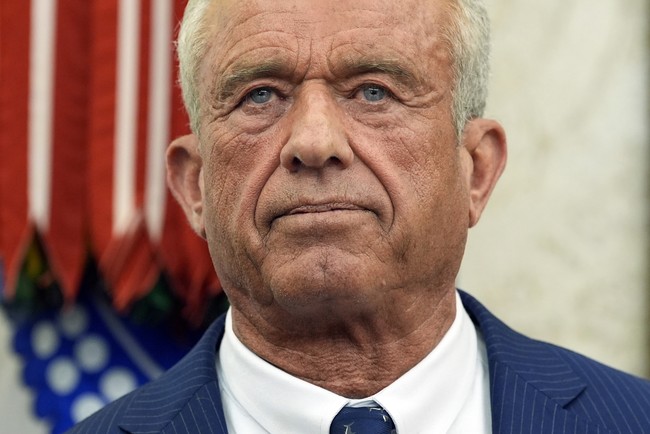
Today, Secretary Robert F. Kennedy, Jr. announced several enhancements to his management team at the U.S. Department of Health and Human Services (HHS) to accelerate adoption of President Trump’s Great Healthcare Plan and the Make America Healthy Again agenda.
As part of these changes, Chris Klomp will become Chief Counselor at HHS and oversee all operations of the Department. Chris brings decades of management and leadership experience to the role. In addition, Secretary Kennedy has named Kyle Diamantas and Grace Graham as Senior Counselors for the Food and Drug Administration (FDA) and John Brooks as Senior Counselor for the Centers for Medicare & Medicaid Services (CMS). Each of these individuals will continue to serve in their current roles in addition to serving in Secretary Kennedy’s office.
Secretary Robert F. Kennedy, Jr. framed the hires as elevating experienced leaders who can move quickly and restore accountability, saying, “In just over a year, we have driven historic progress on President Trump’s health care priorities and delivered real, measurable change.” He added, “We are restoring accountability, challenging entrenched interests, and putting the health of the American people first. I am proud to elevate battle-tested, principled leaders onto my immediate team—individuals with the courage and experience to help us move faster and go further as we work to Make America Healthy Again.”
The official release was silent on O’Neill’s status, but media reporting cited unnamed sources confirming his exit. One report quoted the social media bio change as evidence he had left the administration. That same report also noted General Counsel Mike Stuart is expected to depart, which would mark additional turnover among senior legal and operational staff at HHS.
HHS Deputy Secretary and acting Director of the Centers for Disease Control and Prevention Jim O’Neill departed the administration, a source familiar with the situation told the Washington Examiner. He changed his bio on his X account to “formerly @hhsgov” as of Friday afternoon. O’Neill did not respond to the Washington Examiner’s request for comment.
Removing O’Neill and elevating Klomp reads like a deliberate effort to install more disciplined messengers and smoother operations at the top of HHS. With the midterms looming, Republicans in the administration are clearly intent on presenting a unified front and streamlined communications to defend policy achievements and counter opposition attacks. The timing suggests campaign considerations are part of the calculus.
Political opponents have already signaled they will use Kennedy’s role and HHS decisions as campaign fodder, and party strategists expect fights over agency actions to surface in House and Senate races. Democrats, according to past reporting, see Secretary Kennedy as a target to resurrect in campaign messaging against the administration, making the department’s public posture especially sensitive. Tightening leadership now helps shape the narrative heading into the election cycle.
Operationally, naming a chief counselor with oversight of all department operations can centralize decision-making and improve coordination between agencies like the FDA, CDC, and CMS. That approach could quicken policy rollouts and reduce mixed signals, which have at times undermined public confidence. For an administration pushing a clear healthcare plan, control over messaging and execution becomes a strategic necessity.
Staff turnover at a federal agency during an election year is not unusual, but the departure of a high-profile acting CDC director and deputy at HHS raises questions about internal dynamics and external pressures. Observers will be watching how these moves affect agency morale and the steadiness of public health programs. For now, the message from the top is one of renewal: more experienced operators in key roles, sharper focus on Trump-era priorities, and a renewed push to present Republican healthcare achievements to voters.
Editor’s Note: The 2026 Midterms will determine the fate of President Trump’s America First agenda. Republicans must maintain control of both chambers of Congress.

Add comment