
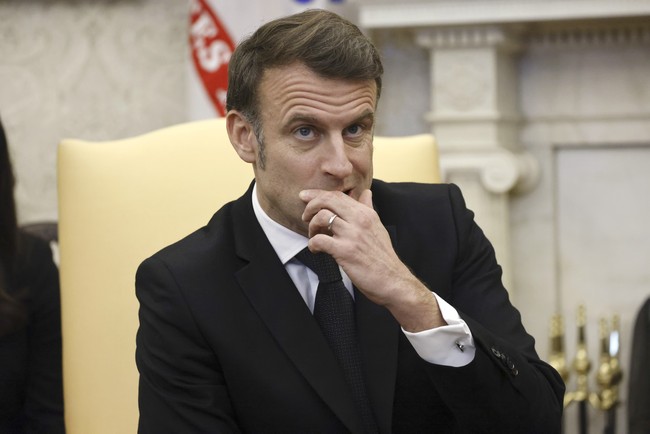
The United States and its NATO partners are at a breaking point after France reportedly blocked American cargo flights carrying munitions to Israel, and this episode exposes a broader failure of European allies to shoulder the burdens America has long carried for transatlantic security.
The reported French decision to deny airspace to U.S. cargo planes moving munitions to Israel is more than a single diplomatic snub; it is a symbol of an alliance that has grown increasingly one-sided. For decades the U.S. has supplied the muscle while many European governments prioritized domestic spending and open-border policies. That imbalance is now tangible in decisions that directly hinder American military logistics and strategic objectives.
No one is asking NATO countries to lead every mission, but basic cooperation on transit and basing should be a given among allies. Asking France, the U.K., and Germany to “not get in the way” is a minimal request; refusing it signals an alliance fraying at the edges. When allies start denying overflight or restrict access to ports and bases, it becomes clear that political posturing has replaced reliable partnership.
History matters in these disputes. France played a role decades ago in events that reshaped the Middle East, and their current reluctance to assist partners raises questions about alignment and interests. If European capitals can shrug off requests that cost them almost nothing, they will be even less dependable when the stakes rise and Russia or another adversary tests NATO’s resolve. Strategic commonsense demands reciprocity, not occasional gestures.
Israel’s response to being shortchanged by France—suspending security sales—is a sensible move from a national-security perspective. Cutting military cooperation with partners who hamper defense relationships sends a firm message that defense ties are transactional and contingent on mutual respect. Allies who depend on technology transfers and defense partnerships should think twice before undermining those ties for political theater.
U.S. political leaders have publicly signaled their frustration, and that rhetoric will translate into real policy reassessment if America’s partners do not change course. Secretary of State Marco Rubio publicly suggested a recalibration of Washington’s commitments within NATO, reflecting a broader push to stop subsidizing European defense on an open-ended basis. This is not saber-rattling; it is a necessary political correction to make sure American security investments buy actual allied support.
President Trump’s blunt morning message to the U.K., “The USA won’t be there for you anymore,” captures the mood in parts of Washington that are tired of one-sided alliances. That line is provocative, but it also captures a core truth: alliances only work if partners share risk and cost. If Europe thinks America will always step in regardless of Parisian or Berlin politics, they are misreading the geopolitical moment and the current Republican stance on national interest.
Denying access to airspace or failing to secure international waters are the straws that broke the camel’s back for many Republicans who view NATO through a realist lens. The U.S. may be legally constrained from a formal withdrawal, but policy and posture can change dramatically; fewer guarantees, tighter conditions, and a firmer insistence on fair burden sharing are all on the table. European governments that rely on Washington’s protection while slashing defense commitments will face harder bargaining and less automatic support.
American patience is not infinite, and the politics in Washington reflect that. The free ride is over in tone and, increasingly, in policy terms, with Republican leaders ready to demand concrete commitments or reduce privileges. Allies should understand this is not merely temper tantrum rhetoric; it is a deliberate shift toward insisting that NATO be a partnership of equals rather than a unilateral lifeline funded by U.S. taxpayers.
Practical steps follow from this political posture: insist on clear commitments for overflight and basing, tie cooperation to measurable defense spending, and prioritize partnerships that reciprocate. If allies want U.S. protection, they must be willing to make it easier, not harder, for America to defend shared interests. The message is simple and firm—reciprocity or rethink.

Add comment