
This piece covers a heated confrontation on the House floor after a fatal Minneapolis shooting, examines the evidence and reactions from both parties, and argues from a Republican perspective that law enforcement and ICE deserve support while blaming Democratic rhetoric and obstruction for creating dangerous conditions.
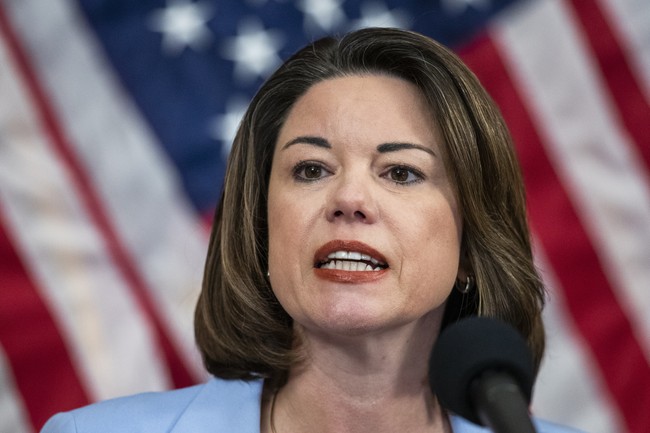
Tensions on the House floor flared after a Minneapolis incident in which an SUV driver struck an officer and was shot. The confrontation between Democrat Rep. Angie Craig and Republican Rep. Tom Emmer turned physical enough that a colleague had to separate them. That scene mattered because it revealed how politicized law enforcement incidents have become in Washington and across Minnesota.
The evidence posted online and described by observers showed the driver “jammed the accelerator and struck an officer” while “he fired back, killing her.” Those phrases come from a contemporaneous account and the footage shared publicly, and they create a clear factual frame that should guide the debate. From a law-and-order perspective, split-second decisions by officers confronting a moving vehicle are often the only way to protect lives.
Rep. Emmer publicly voiced support for the agents involved and emphasized the risks they face on the ground. “Our brave ICE agents put their lives on the line every day to protect our communities from dangerous criminals. May God bless and protect them in their efforts,” he said. For many Republicans, that statement is rooted in the reality that enforcement agents operate in chaotic, dangerous environments and deserve backing from elected leaders.
Rep. Craig responded with an angry accusation that conservative tactics in Minnesota led to the death, telling Emmer in public that “the President’s political stunt got a woman killed.” That charge ignores the footage and the context of the incident, but it was loud and emphatic enough to spark a physical altercation on the chamber floor. When a lawmaker resorts to aggressive theatrics rather than engaging with the facts, it degrades trust in the institution and distracts from accountability.
There is an important distinction between criticizing policy and enabling obstruction. Some local officials and activists have openly encouraged resistance to federal enforcement, and that rhetoric can prompt risky stunts. Elected leaders who cheer on interference with lawful operations bear responsibility for the chaotic consequences that may follow.
This episode highlights how identity politics and performative gestures have infiltrated even the most dangerous public-safety conversations. Instead of constructive oversight or practical reforms, we too often see charged speeches and political slogans that fan the flames. That kind of theater can motivate people to replicate dangerous confrontations in pursuit of viral attention.
Calls from local leaders to keep ICE out of a city are not neutral statements; they alter how enforcement actions are perceived and executed. When politicians frame federal operations as invasions rather than coordinated efforts to uphold the law, it encourages a backlash that can endanger both officers and civilians. Responsible governance means balancing criticism with the duty to preserve public safety.
The footage and the immediate circumstances of the shooting matter more than spin. In the moments before the shot was fired, officers faced an imminent threat from a vehicle being used as a weapon. Those split-second assessments are not political; they are survival decisions. Judge the outcome by what the video shows, not by which party gains a soundbite.
Politicians should de-escalate, not inflame. That includes resisting the temptation to credit viral spectacle over sober analysis and to avoid amplifying rhetoric that rewards dangerous mimicry. Leaders who publicly hinder federal agents or cast them as enemies undermine lawful authority and create openings for violence.
The House altercation itself was telling: a representative had to be physically restrained by a colleague, exposing how far rancor has pushed some lawmakers. When debate crosses into physical confrontation, it signals a breakdown in norms that every member swore to uphold. Restoring basic civility starts with holding lawmakers accountable for conduct that encourages disorder.
Lawmakers on both sides should commit to investigating incidents transparently while supporting the professionals who work to keep communities safe. That does not mean blind deference, but it does require a baseline respect for evidence and an understanding of operational realities. Public safety should rise above partisan point-scoring.
Finally, rhetoric matters. Accusatory language that frames enforcement as a political stunt ignores the human stakes and risks inspiring copycat actions. If leaders want safer streets and fewer tragedies, they must model restraint and focus on constructive solutions rather than provocation.
The debate will continue in committees, in the media, and in public forums, but the underlying facts captured on video should remain the lodestar for lawmakers seeking answers. Responsible leadership calls for clear-eyed analysis, steady support for those enforcing the law, and a rejection of political theatrics that put people at risk.

Add comment