
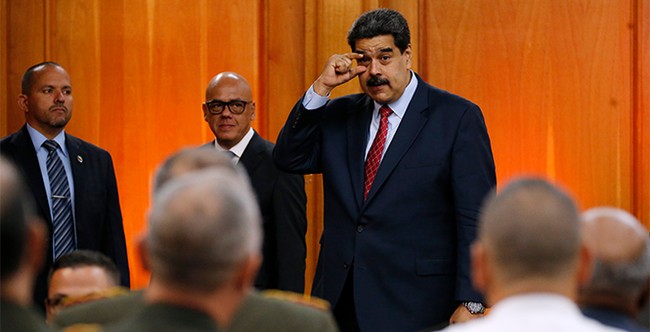
The U.S. Coast Guard has seized a second sanctioned vessel near Venezuela, an operation that highlights a tougher posture on illicit oil movement and a willingness to enforce sanctions on the high seas.
We got another one, and the point is clear: the administration is using law enforcement tools at sea to choke off illicit trade. This action follows a broader effort to prevent sanctioned tankers from profiting off the Venezuelan regime and its partners. The pattern shows a steady, methodical approach rather than a rush to open military conflict.
That distinction matters. These interdictions are being handled as law-enforcement operations led by the Coast Guard, not as kinetic strikes by combat forces. The earlier seizure was carried out under a court-issued warrant with military assets supporting the mission but not acting as the lead agency. Treating these seizures as legal enforcement preserves the rule of law while putting real pressure on bad actors.
There’s also a strategic logic to going after the so-called dark or shadow fleet that hides the origins and destinations of sanctioned oil. Since energy sanctions were applied in 2019, traders and refiners have relied on tankers that cloak their movements and use vessels already sanctioned for carrying Iranian or Russian crude. Exposing and seizing those tankers raises the risk and cost for anyone trying to evade U.S. measures.
A widely circulated news report included this exact briefing from anonymous U.S. officials, and the administration’s messaging has emphasized enforcement. The operation reportedly took place in international waters, with the Coast Guard in the lead and other military assets in supporting roles. Those details underscore how Washington is blending maritime law enforcement with a credible military presence to achieve policy aims without unnecessary escalation.
The United States is interdicting and seizing a vessel off the coast of Venezuela in international waters, three U.S. officials told Reuters on Saturday, a move that comes just days after U.S. President Donald Trump announced a “blockade” of all sanctioned oil tankers entering and leaving Venezuela.
This would mark the second time in recent weeks that the United States has seized a tanker near Venezuela and comes amid a large U.S. military build-up in the region.
The officials, who were speaking on the condition of anonymity, did not say where the operation was taking place but added the Coast Guard was in the lead.
The Coast Guard and Pentagon referred questions to the White House, which did not immediately respond to a request for comment.
Enforcement like this sends an unmistakable signal to intermediaries, shipowners, and insurers who facilitate sanction evasion. The shadow fleet depends on plausible deniability and transactional obscurity; lifting that veil makes it harder and costlier to keep the scheme running. Reducing the flow of illicit oil revenues tightens the economic screws on the Maduro regime and those who enable it.
The first seized tanker, identified publicly as the Skipper, was tied to this shadow network, and the latest vessel could well be part of the same web. We don’t yet have full confirmation of the second ship’s itinerary or ownership, but the pattern is consistent: tankers flying opaque flags and using deceptive tracking methods to blunt enforcement. Interdictions like these chip away at that protection.
Since the U.S. imposed energy sanctions on Venezuela in 2019, traders and refiners buying Venezuelan oil have resorted to a “shadow fleet” of tankers that disguise their location and to vessels sanctioned for transporting Iranian or Russian oil.
The dark or shadow fleet is considered exposed to possible punitive measures from the U.S., shipping analysts have said.
There’s a practical upside for the United States as well. Successfully seized vessels can be processed through legal channels, reducing the resources available to hostile regimes and potentially bolstering lawful American commerce. If a portion of these ships are serviceable, bringing them into lawful custody may expand merchant capacity while denying resources to enemies of U.S. policy.
Expect pushback from Caracas and its proxies, who will denounce these moves as aggressive and illegal. That predictable rhetoric does not change the fact that the United States is acting under domestic warrants and international law enforcement norms. The distinction between using law and using force gives Washington a firmer footing in the court of world opinion and practical enforcement.
Venezuela’s oil ministry and state oil company PDVSA did not immediately reply to requests for comment.
You don’t say. The silence from Maduro’s apparatus is telling, and it reveals how isolated his energy operations have become. The administration’s approach shows that strength can be precise, lawful, and effective when applied consistently.
Editor’s Note: Thanks to President Trump and his administration’s bold leadership, we are respected on the world stage, and our enemies are being put on notice.
Add comment