
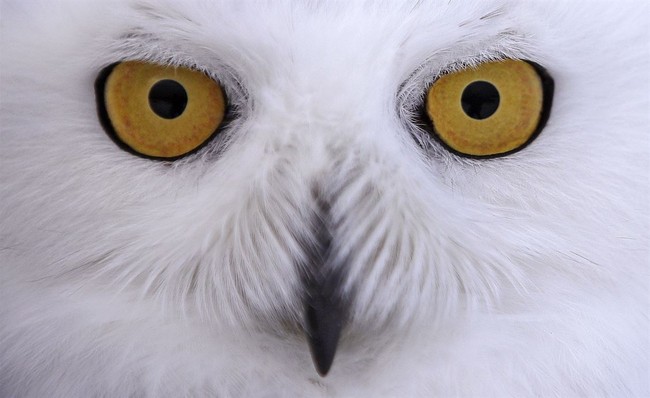
The North Side of Chicago has become a hotspot for snowy owl sightings this winter, drawing birders and curious locals to Lake Michigan beaches where a pair of these Arctic visitors has been seen near Montrose Point. These large white owls, known for their silent flight and striking yellow eyes, sometimes wander south in cold winters or simply roam unpredictably. Observers note that snowy owls favor open shorelines and fields in winter, and their nomadic habits make their appearances hard to predict. The sighting has sparked excitement because these owls are uncommon in the lower 48 outside of winter, and their presence offers a rare chance to observe Arctic wildlife close to the city.
The Snowy Owl (Bubo scandiacus) is a striking Arctic specialist with plumage built for frigid conditions, including dense feathers down to the toes. These owls usually stay far north but will drift south when conditions push them or when they wander in search of food. Their silent flight and large white bodies make them seem almost ghostly as they patrol beaches and open fields. For birders, spotting a snowy owl in Illinois is a memorable event because the species is seen only sporadically in most winters.
Recent reports describe two snowy owls near a North Side beach and pier close to the Montrose Point Bird Sanctuary, with a third bird briefly seen a few miles to the south. The Chicago Ornithological Society shared word of the birds, noting that snowy owl frequency varies widely from year to year and that typically only a handful are reported in December when they do show up. Their movements are unpredictable: where they head and how long they stay is often anyone’s guess. That uncertainty is part of what draws both dedicated birders and casual observers to the lakeshore.
A pair of snowy owls spotted along a Lake Michigan beach has drawn curious crowds and sparked happy speculation about how long the Arctic birds of prey will call Chicago home.
Word of the two owls has circulated on birder forums in the nation’s third-largest city for about a week, according to the Chicago Ornithological Society. While snowy owls aren’t rare in Chicago, their frequency varies widely each winter. Generally, a handful are reported around December, but sometimes there aren’t any.
“Their nomadic nature makes them hard to study or even figure out patterns,” Edward Warden, the society’s president, said Sunday. “Where they’re going is anybody’s guess.”
This year, two birds have been seen at a beach and pier near the Montrose Point Bird Sanctuary on the city’s North Side. A third one was briefly spotted at a beach a few miles (kilometers) south, according to the Chicago Ornithological Society
Snowy owls are built for tundra life, not long-distance migration, but they will move south when icy conditions or prey availability push them. They often choose open spaces in winter—shorelines, agricultural fields, and airports—where small mammals are easier to spot and catch. On Lake Michigan beaches, the broad open view and nearby feeding opportunities make sense for wintering owls. Their presence at Montrose Point is a natural fit, even if it’s uncommon this far south.
Male snowy owls tend to be nearly pure white, while females show more dark flecking, giving them a salt-and-pepper look; both sexes have bright yellow eyes that stand out against their pale feathers. These physical differences can help observers tell birds apart at a distance, especially when the heavier-mottled females contrast with the whiter males. Winter sightings in the lower 48 are typically limited to the cold months; in summer the species returns north to breed beyond the Arctic Circle. That seasonal movement means city watchers should seize the chance when owls appear.
Local birding communities and conservation groups often share updates and tips when rare birds show up, and that has certainly happened with these snowy owls. Crowds can build at popular viewing spots, so experienced birders remind newcomers to keep a respectful distance to avoid stressing the animals. Responsible viewing keeps the birds safe and preserves opportunities for others to enjoy the sighting. Simple measures—staying on paths, minimizing noise, and using binoculars or scopes—make a big difference.
Owls in general capture people’s imaginations; from the big Great Horned Owl to the tiny Northern Saw-whet, they occupy a special place in our natural world and our backyard soundscape. Many of us hear owls more often than we see them, but when a snowy owl reveals itself on a shoreline, it creates a rare and vivid memory. These visits remind city dwellers that wildlife from far-off places sometimes turns up unexpectedly close to home.



Add comment