
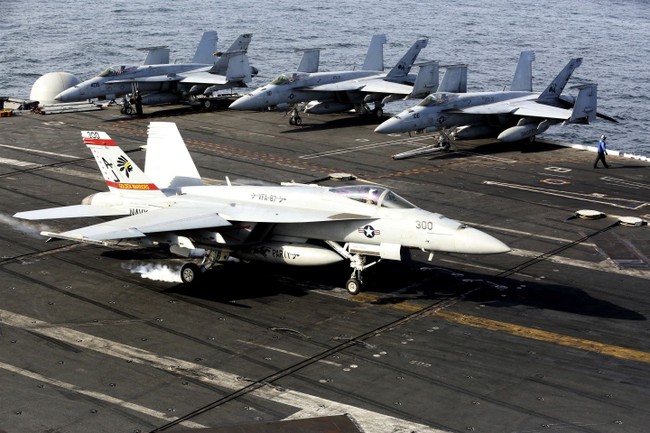
CENTCOM says U.S. forces have actively enforced the blockade on Iran, redirecting, disabling, and boarding ships that tried to breach it, and actions in the Arabian Sea and Gulf of Oman over recent days show a firm, unapologetic posture.
U.S. Central Command provided a clear update on its operations enforcing the naval blockade against Iran and confirmed the blockade remains in full effect. The statement laid out concrete numbers and recent incidents that demonstrate a hands-on approach to keeping shipments to Iran in check. This is a direct demonstration of U.S. resolve to control maritime traffic in key waterways. The posture is meant to deter bad actors and protect regional security and shipping lanes.
In a published summary of its enforcement activities, CENTCOM said it had, to this point on July 25, “redirected 12 commercial vessels trying to run the blockade, disabled 2 that didn’t comply, and boarded 2 to ensure total compliance.” Those numbers are significant and show a mix of measured and forceful responses. Redirecting vessels is the primary tool, and when crews refuse orders, forces will escalate to disablement or boarding. The policy is clear: compliance is required, and the U.S. will act to enforce it.
Two notable events occurred in the last forty-eight hours, illustrating that CENTCOM is carrying out that policy. U.S. forces completed a verification boarding of the Comoros-flagged M/T Charminar in the Arabian Sea, and the tanker was allowed to continue its journey afterward. That boarding was an example of precise, lawful action to verify cargo and intent before releasing a vessel back to transit.
https://x.com/CENTCOM/status/2081130091766325398
The other recent action took place in the Gulf of Oman on July 24 when CENTCOM forces disabled the Mozambique-flagged M/T Lavine after it attempted to breach the blockade. According to the report, the ship had attempted to breach the blockade “multiple times and ignored repeated warnings.” When warnings go unheeded, disabling a vessel becomes a necessary step to prevent illicit deliveries and to signal that the blockade is being taken seriously.
“The ship is no longer transiting to Iran,” the post said, reflecting the immediate operational effect of the disablement. Translation? Play stupid games, win stupid prizes. That blunt appraisal captures the quiet but firm attitude behind enforcement: actors who test boundaries will face consequences. The message is meant to deter further attempts by commercial shippers or proxies to supply Iran by sea.
CENTCOM also emphasized the readiness and posture of U.S. forces in the region, stating, “American forces remain highly vigilant, focused, lethal, and ready.” Those words underscore a no-nonsense posture and make clear the U.S. will not hesitate to use proportional force to back up policy. The language is designed to reassure allies and to warn adversaries that ambiguity will not be tolerated.
At the same time as the naval pressure, U.S. policy makers are applying economic measures aimed at squeezing Iran further. The coordinated use of military enforcement at sea and economic pressure ashore creates layered costs for Tehran’s regime. While there may be nominal dialogue from some Iranian political voices about negotiations, elements like the Islamic Revolutionary Guard Corps continue to push for hardline responses that risk further escalation.
Reports also noted strikes hitting targets connected to Iran in the broader region, though official accounts have been careful about attributing all incidents directly to U.S. forces. There are indications Iran may be facing pressure not only from American actions but also from neighboring states acting in self-defense or in coordination to protect regional shipping. That creates operational ambiguity for Tehran and complicates its options.
From a policy standpoint, this is an administration-level decision to move past rhetoric and enforce tangible consequences for Iran’s hostile behavior and proliferation efforts. The approach prizes actionable results over endless negotiations that produce little change. By interdicting shipments and physically boarding or disabling noncompliant vessels, the U.S. is making it harder for the regime to sustain activities that threaten American interests and regional stability.
These naval operations are surgical by design and intended to minimize collateral damage while achieving strategic objectives. They also serve as a message to commercial shippers: follow lawful orders, or risk interdiction. That clarity reduces uncertainty for international maritime traffic by making the rules and enforcement predictable.
Overall, the recent actions in the Arabian Sea and Gulf of Oman show a deliberate strategy: enforce the blockade, press Iran economically and operationally, and maintain a posture that discourages further escalation. The emphasis is on decisive measures that protect American interests and allies while constraining Tehran’s ability to act with impunity.



Add comment