
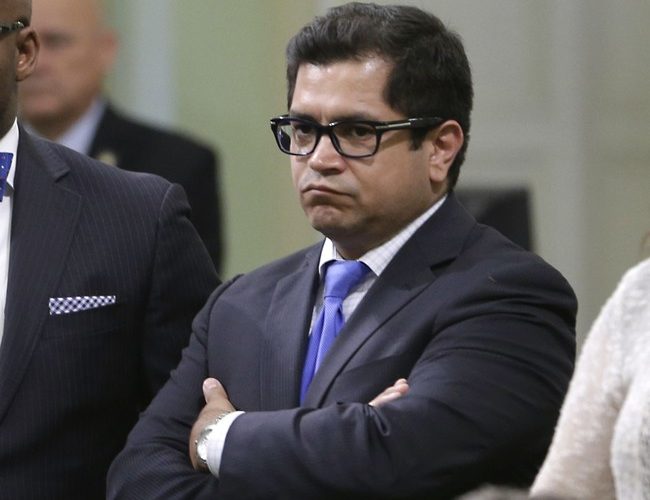
The House Ethics Committee has opened an inquiry into Democrat Rep. Jimmy Gomez over allegations of inappropriate sexual contact with a staffer, raising immediate questions about accountability and consistency after his earlier demands for swift action in the Eric Swalwell case.
Jimmy Gomez launched the Congressional Dads Caucus with a message about fathers stepping up at home, and he has represented a Los Angeles district since 2017. Now the Ethics Committee says he “may have engaged in sexual misconduct,” including “inappropriate sexual contact with a House staffer,” and has made the investigation public. The panel stressed that opening an inquiry does not equal guilt, but the political consequences are already flowing.
Gomez reacted to earlier allegations against Eric Swalwell by resigning from Swalwell’s gubernatorial campaign and insisting on “full accountability without doubt, distraction, or delay.” That line helped shape expectations about how Democrats would handle misconduct claims, and many Republicans say those standards should apply equally to Gomez. The optics are stark: someone who demanded a swift reckoning for another lawmaker now faces a probe of his own behavior.
The House Code of Official Conduct bans unwelcome sexual advances toward members, officers, and staff, and Clause 18(b) provides the basis for the committee’s review. The committee is composed of five Democrats and five Republicans, and its statement said it would limit further comment outside normal procedures. At this stage it has not identified the staffer involved or provided a timeline of alleged events.
Gomez publicly acknowledged making “personal mistakes” outside his marriage while denying any violation of law or House rules. He said he sought professional help and planned to cooperate with the committee, adding that he would refrain from commenting while the inquiry proceeds. The line between private misconduct and violations of workplace rules will determine whether the Ethics Committee proceeds to formal sanctions.
Initial reports about an investigation surfaced in June, tied to an alleged 2023 incident where Gomez was seen kissing a younger congressional aide at a private gathering. Gomez’s office disputed that account at the time, but subsequent reporting suggested investigators had learned of more serious allegations. That sequence has hardened the debate over how allegations are pursued and how quickly institutions respond when members of Congress are accused.
Gomez previously stepped down from Swalwell’s campaign and issued a statement then saying, “I cannot in good conscience remain in any role with this campaign. These are the ugliest and most serious accusations imaginable. Eric Swalwell should suspend his campaign so there can be full accountability without doubt, distraction, or delay.” Republicans note the contrast between that stance and the need now for equal treatment of Gomez under the same principle.
The Ethics Committee’s public announcement aims to be procedural neutral, but politics will shape public perception. Gomez is running for a sixth term and faces a primary challenger, and the inquiry creates a vulnerability that opponents can exploit. For voters and colleagues alike, the expectation is clear: if accountability was demanded of others, equal scrutiny should apply across the board.
House ethics investigations move slowly and carefully, balancing privacy, due process, and the need to protect staff. Still, the committee’s decision to go public signals that the allegations were deemed serious enough to warrant broader scrutiny. That step often invites intense media attention and political pressure, which can influence both the pace and the outcomes of internal reviews.
Gomez’s responsibility now is to cooperate fully with the Ethics Committee while respecting the privacy of any alleged victim. Republicans argue that upholding consistent standards is essential to restoring credibility with the public, especially when leaders have demanded swift action in comparable cases. The way this investigation is handled will matter not only for Gomez but for broader claims about fairness and accountability in Congress.
The unfolding inquiry highlights a recurring problem: ethical expectations are set loudly during one scandal, but the test comes when those expectations are applied to members of the same party. For the Republican viewpoint, parity in enforcement is nonnegotiable, and the committee’s work should be transparent enough to ensure that parity is seen and felt. Only an even-handed, rule-driven process will satisfy citizens who want leaders held to the standards they themselves promote.

Add comment