
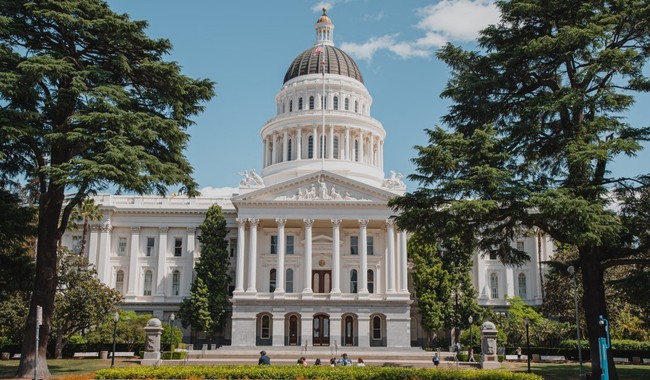
The indictment of Dana Williamson, formerly the governor’s chief of staff, exposed deep problems in how influence and access operate in California politics, and a new bill, AB 1560, seeks to draw a hard line by permanently barring convicted public corrupt officials from serving as lobbyists.
The recent charges against Dana Williamson forced a public reckoning about how corruption can reach the highest levels of state government and then quietly reinsert itself into policy circles. Williamson was not some distant or low-level operative; she occupied a central role in the executive branch and had substantial sway over policy choices and access. That kind of proximity to power makes the question of who can lobby after a corruption conviction more than academic; it’s about protecting public trust.
Assemblymember David Tangipa’s AB 1560 matters because it proposes a simple rule: individuals convicted of public corruption should be permanently barred from registering or operating as lobbyists in California. The bill amends the Political Reform Act of 1974 to impose that ban and to close the loophole that currently allows some convicted actors to resume influence-dispensing roles. If someone has abused the public trust, AB 1560 says they should not be able to return to the corridors of power disguised as a paid advocate.
By targeting registration and formal lobbying roles, the bill aims to eliminate the backdoor routes that let offenders rejoin Sacramento’s influence ecosystem under different job titles. Current practice allows for regeneration of influence after sentences are served, which undermines accountability and erodes voter confidence. A permanent exclusion from lobbying sends a clear message: criminal corruption carries lasting consequences beyond criminal penalties.
Updating the Political Reform Act in this way also reinforces the law’s core purpose: to promote transparency, ethical behavior, and accountability in state government. The Act was established to constrain conflicts of interest and to make the rules of engagement clear for those who operate around state decision-making. Bringing it into line with modern realities of corruption and influence is a practical step toward strengthening governance in Sacramento.
Legislative change alone won’t restore trust overnight, but AB 1560 establishes a baseline standard that should have existed long ago. Real reform requires consistent enforcement of rules, stronger oversight, and an insistence that public office not be a pathway to private advantage after convictions. This bill is a necessary component of a broader push to make the rules harder to game and easier to enforce.
Restoring confidence calls for a set of reforms that complement a lobbying ban for convicted officials. These measures should include enforcing conflict-of-interest rules evenly regardless of rank, closing practices that let special interests dictate policy in secret, and increasing transparency around state spending and contracting so taxpayers can track where money actually goes. Stronger oversight mechanisms must also be in place to catch fraud and waste before they are normalized by insiders who know how to work the system.
- Enforce conflict-of-interest rules consistently, regardless of who is involved.
- Ban practices that allow special interests to dictate policy behind closed doors.
- Shine a light on state spending and contracting so taxpayers can see where their money goes.
- Strengthen oversight so fraud and waste are not quietly approved by insiders who know how to work the system.
AB 1560 fits squarely into that wider agenda by changing one clear piece of the ethical landscape so offenders cannot return to the formal levers of influence. It is a concrete way to prevent convicted actors from converting insider knowledge and relationships into influence after they’ve been found guilty of betraying the public. That permanence is essential if Californians are to believe accountability has real teeth.
Assemblymember Tangipa deserves recognition for advancing a bill that forces a necessary choice: either you respect public office or you forfeit the privilege of influencing it in an official lobbying capacity. For AB 1560 to have the impact Californians expect, more lawmakers in the State Legislature will need to support and build on this effort. Doing so would move the state closer to a system where rules are enforced consistently and public service is not a steppingstone back into paid influence for those convicted of corruption.

Totally agree with this policy to pass all across America!! I am sick and tired of these leaders that turn crooked and just go and reinvent themselves at some other level or department to be able to continue to be corrupt!