
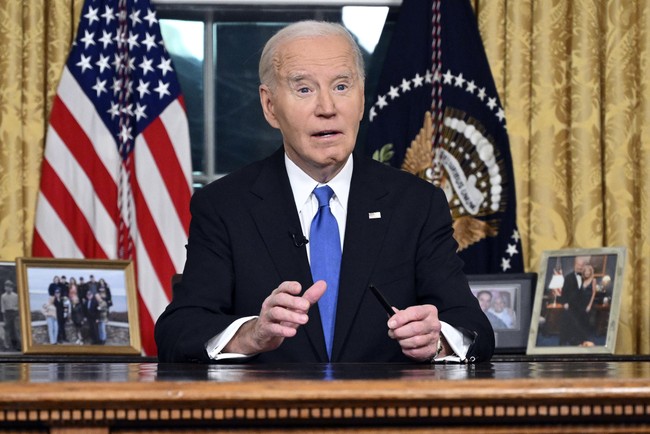
The Biden administration presented a National Parents and Families Engagement Council as a bipartisan forum for post-COVID recovery, but internal emails and public materials show a council assembled from ideologically aligned organizations with activist toolkits, coordinated messaging, and a clear political direction rather than a broad cross-section of parents.
Joe Biden’s ‘Parents Council’ Exposed As Handpicked Activist Operation
The Department of Education billed the council as a way to “help ensure recovery efforts meet students’ needs,” a line echoed in public messaging and press material. That claim collapses when you look at communications showing staff working with outside groups to recruit specific organizations instead of casting a wide net for diverse parental viewpoints.
FOIA-released emails and related documents show officials prioritizing organizations already aligned with administration priorities, treating the council as a platform to amplify sympathetic networks. Rather than balancing viewpoints, the process curated a membership list that reflected preexisting agendas and advocacy structures.
“The National Parents and Families Engagement Council will help ensure recovery efforts meet students’ needs.”
Several groups tapped for the council were not neutral neighborhood parent groups but national activist organizations deeply engaged in cultural fights over curriculum, libraries, and social policy. Those groups arrived with training modules, message frames, and digital toolkits ready to mobilize parents as advocates, not as independent advisors.
“FACA requires the federal government to ensure its committees are balanced and free from inappropriate influence… [the Department] failed to follow those requirements when it established the Council.”
Federal advisory panels are legally supposed to offer balanced advice under FACA, not operate as echo chambers for a single viewpoint. The emails reveal officials sharing curated lists and coordinating outreach in a way that suggests design over discovery, aligning membership with policy goals rather than with representational fairness.
Materials connected to participating groups reveal organized campaigns on topics well beyond classroom recovery, including coordinated pushes on school libraries and broader social issues. One outreach thread pushes parental organizing around library content with specific tactics for local pressure campaigns and public events designed to maximize visibility.
“Raise awareness and take a stand against book banning in your community by hosting a read-in!”
Other documents show reproductive rights messaging being circulated through the same channels, urging parents to act as distributors of political content instead of neutral stakeholders in education policy. That kind of cross-issue organizing makes clear this network saw the council as an activating mechanism for broader advocacy.
“Our reproductive rights are on the line… Help us reach as many people as possible. Spread the word by sharing these posts!”
Training language used by some groups includes playbooks for local action, coaching parents on how to frame disputes and how to build coalitions with sympathetic community actors. That operational readiness means the council functioned more like a campaign hub than an independent advisory body.
“Calling all Troublemakers! We know you are ready to push back against extremism… Looking for resources on how to organize the people in your community? You can find it all here.”
As scrutiny increased, officials faced a legal challenge arguing the council violated advisory committee rules by lacking proper balance and by employing external actors with clear policy goals. Instead of reworking membership to include genuine ideological diversity, the administration chose to disband the council under pressure.
That choice—shutting down rather than reforming—speaks to how the council was constructed from the start: a curated forum meant to validate preferred policies, not to test them with a wide range of parental perspectives. Critics argue the exit proves the council’s original purpose was signaling and amplification rather than honest consultation.
“The fact that the Biden Administration chose to shut down its virtue-signaling parents council rather than add any intellectual diversity speaks volumes.”
What remains is a lesson in how federal engagement processes can be gamed when officials lean on preexisting activist networks to fill advisory roles. For those who care about genuine parental input, the episode is a reminder that structure matters: advisory bodies must be designed to hear disagreement, not to manufacture consensus.


Add comment