
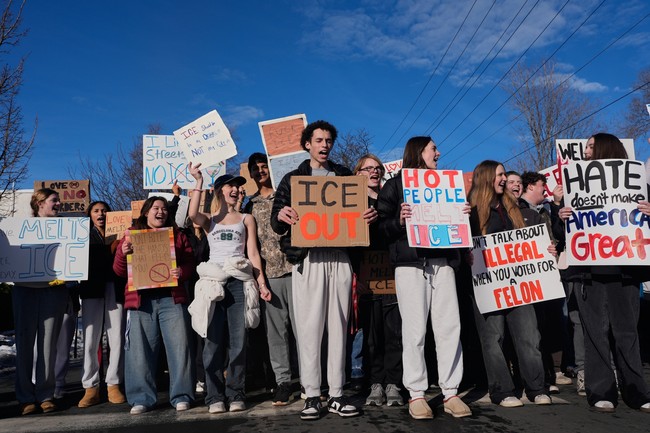
The indictment of two suspects in the April 11 assault on Turning Point USA reporter Savanah Hernandez marks a turning point in a case that had been widely seen on video and publicly debated. This article outlines the sequence of events, the slow response from local prosecutors, the possible identities tied to the footage, and the reaction from Hernandez and observers. It also underscores the political context around law enforcement at demonstrations and the public response to violent episodes at protests. The goal here is to present the facts clearly and from a conservative viewpoint that supports accountability and the rule of law.
Video of the confrontation in Minneapolis circulated quickly, showing a chaotic scene at an anti-ICE rally where Hernandez was pushed and knocked to the pavement. The footage made the incident hard to ignore, and public pressure grew for authorities to act. Yet for weeks there was little visible consequence for those seen in the clips, fueling criticism about inconsistent enforcement and political double standards. That public frustration helped sustain attention until federal authorities intervened.
According to reports, a federal grand jury returned two indictments connected to the attack, signaling that the matter moved from public outrage to formal legal action. Names tied in public discussion include a father-daughter pair captured in the footage, although officials have not confirmed identities in the grand jury filings released so far. The family members discussed in online commentary and interviews had been unapologetic and publicly framed themselves as victims after the incident. Those denials and the media appearances that followed only intensified calls for accountability.
Local prosecutorial choices have become part of the story, with critics pointing to a perceived reluctance to pursue charges in some politically sensitive cases. Hennepin County’s handling of related matters drew attention when prosecutors prioritized a different arrest warrant involving an ICE officer over rapid action in Hernandez’s assault. That sequence of decisions prompted conservatives to question whether political considerations were influencing which crimes get prosecuted and which do not. The situation raised concerns about equal application of the law and the protection of journalists covering contentious events.
Priorities:
It has now been over two weeks since Paige, Deyanna [wife of Chris] and Chris Ostroushko violently attacked me and all three are still free.
Paige is on camera punching and tackling me.
Deyanna admitted to assaulting me.
Chris is on camera slamming me to the ground.
Yet all three are still free. Painting themselves as the victims and gloating about how they haven’t been arrested yet.
The indictment reportedly expected to be released publicly may clarify exactly who is charged and under what counts, moving beyond speculation tied to viral video and social media chatter. Until that document is available, observers will keep parsing names and faces from the footage and public statements. The family at the center of attention made several media rounds claiming mistreatment and insisting they were wrongly portrayed, a posture that did not sit well with many who watched the video. The contrast between the footage and their public posture stoked debate over credibility and responsibility.
Hernandez has said she welcomes the development and described the long period before charges as frustrating and alarming, especially given the clear nature of the video. Her presence at the rally was as a reporter doing her job, and the attack on her raised free-press concerns as well as basic safety issues. Conservatives watching the case saw it as an example of why protecting journalists and upholding law and order at demonstrations matters. The conversation also touched on how political bias in local legal systems could deter fair outcomes.
Eyewitness accounts and follow-up reporting reconstructed the moments around the strike, noting that Hernandez became surrounded, tried to disengage, and was ultimately blindsided and knocked down. That sequence is part of the reason federal prosecutors appeared to take the case seriously enough to convene a grand jury. For many, the video left little doubt that criminal behavior occurred, making the push for formal charges feel overdue. The federal step reassured advocates of accountability that the case would not simply fade away.
Beyond the immediate legal action, the incident has broader implications for how protests are policed and how participants behave when tensions flare. Conservative commentators have used the case to argue for consistent enforcement and for protecting the rights of journalists who cover mass demonstrations. The hope among those critics is that the indictments will reinforce the principle that political motives do not excuse violence and that law enforcement should act impartially when assault occurs in public settings.
The coming release of the full indictment should answer key questions about the specific charges and the named defendants, and it will shape the next phase of this legal matter. Meanwhile, the public reaction and the political framing will continue to influence how the story is perceived and pursued in news cycles and courtrooms. For now, the fact that federal authorities stepped in after video evidence circulated serves as a reminder that visible wrongdoing can prompt eventual accountability, even if it takes time and public pressure to get there.

Add comment