
The collapse of Spirit Airlines is being framed here as a policy failure, not just a business misstep — regulatory and political actions are highlighted as decisive factors in stopping a merger that might have kept Spirit flying, and several Republican officials blame the Biden administration and senators for pushing the carrier into bankruptcy.
Spirit always had a reputation as a low-cost, fee-heavy carrier that leaned into no-frills travel, and many joked about its approach to ancillary charges. Those jokes underscored a business model that barely tolerated turbulence, which made the airline vulnerable when regulatory pressure hit and market conditions tightened. The sudden bankruptcy announcement left passengers stranded and staff uncertain, and it deserves scrutiny beyond punchlines.
One central thread in the criticism is the blocked merger with JetBlue, a deal supporters argued could have provided the scale and stability Spirit needed. Republicans point to the Biden administration’s Department of Justice and Transportation Department interference as a turning point that removed a lifeline. The argument is straightforward: policy decisions had economic consequences, and those consequences are now playing out at airports across the country.
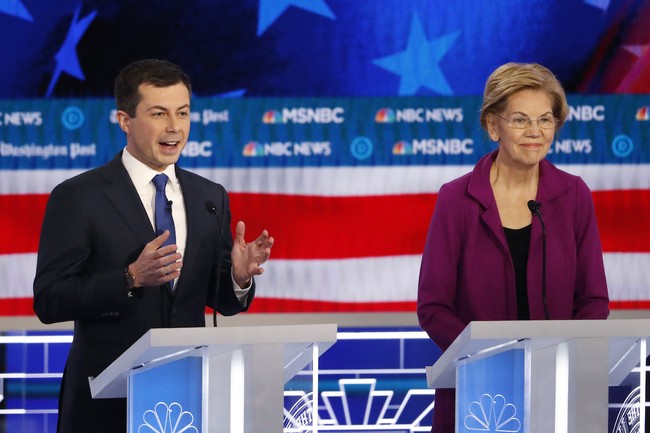
Transportation Secretary Sean Duffy put the responsibility bluntly in public remarks, insisting officials at the top of the Biden administration helped doom the merger and hastened Spirit’s decline. Duffy said, “The Joe Biden-Pete Buttigieg administration and DOJ tanked that deal. Immediately after that, they filed for bankruptcy [the first time].” That quote is being used to frame the collapse as the result of deliberate political action rather than market forces alone.
Video of Duffy’s comments was circulated to show how the issue is being pitched to the public, and the charge resonated with conservative audiences who see regulatory overreach as a recurring problem. Republicans are pointing to a pattern where intervention meant to curb consolidation instead reduced competition and choice for consumers. For many in that camp, Spirit’s end is a textbook example of how well-intentioned oversight can backfire.
Former Treasury official Scott Bessent echoed that view on national television, arguing the merger would have made Spirit more resilient and preserved service at regional airports. His remarks included pointed references to senators and administration officials who opposed the merger and to the human consequences of that opposition. Bessent said the blocked deal translated directly into lost jobs and canceled routes that matter to smaller communities.
There are hard numbers and real people behind the rhetoric: thousands of Spirit employees face job uncertainty and dozens of regional airports risk losing service that connects their communities to the broader network. Those outcomes matter politically and economically, and they are being used as evidence that regulatory intervention had a damaging ripple effect. The Republican critique centers on the claim that the market would have been better served with the merger rather than with the heavy hand of government.
The Department of Transportation moved quickly to coordinate with other carriers once Spirit stopped flying, arranging measures intended to limit cost spikes and route gaps. Officials announced cooperation among major airlines to cap fares and provide options for stranded travelers, and those efforts mitigated some immediate pain. Still, coordination after the fact is not the same as preventing the collapse.
In public statements, officials noted that “United, Delta, JetBlue and Southwest are capping their ticket prices,” and emphasized the need to stabilize fares and capacity for affected passengers. Those actions were framed as emergency responses to a crisis some insist could have been avoided. Republicans use that sequence to argue for less politicized, more market-friendly decision making that prioritizes consumer choice and service continuity.
Critics also single out high-profile senators whose opposition to the merger is portrayed as emblematic of a regulatory mindset hostile to consolidation, even when consolidation might save jobs and routes. For conservatives, the Spirit story is an object lesson in the costs of ideology-driven regulation. The message from that perspective is plain: when leaders prioritize political points over practical solutions, the public pays the price.
As airlines and regulators work to rebook passengers and restore capacity, the political fallout is already underway, with Republicans using the episode to argue for different policy priorities. They want decisions that encourage competition and preserve service rather than decisions that, in their view, pick winners and losers. The debate will continue as the industry adjusts and lawmakers weigh whether to change course on how airline mergers and market dynamics are handled by government.


Add comment