
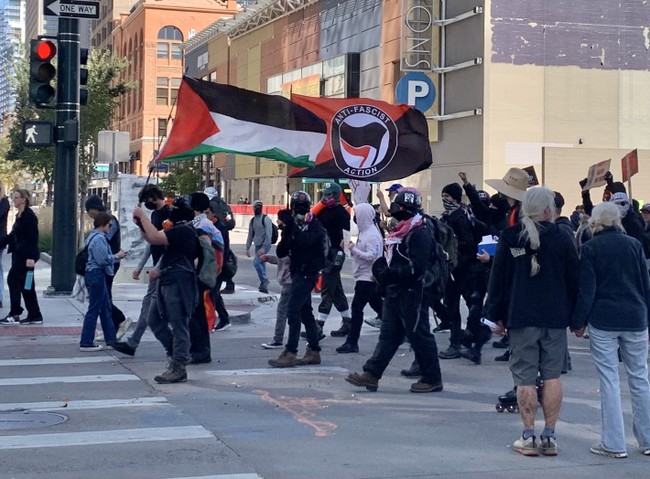
I’ll take you inside what an Antifa “anarchist book fair” looks like, explain why conservative observers see them as recruitment hubs, quote undercover findings verbatim, note law enforcement concerns, and point out how national leaders have responded.
Antifa’s public face at events like anarchist book fairs can look benign to the untrained eye, but the journalists who went undercover describe something much more organized. The fairs mix radical literature, training materials, and fundraising, all inside an atmosphere that normalizes extreme tactics. From a Republican perspective, these gatherings are not harmless culture festivals — they are active networks that deserve scrutiny.
Two reporters entered book fairs in Oakland and Seattle and returned with detailed accounts of what they saw and heard. Their reporting suggests these spaces blur the line between political expression and operational planning. Observers are especially worried when materials and workshops appear to promote illegal acts or targeted campaigns.
One public post about this investigation sets the tone:
In this multiple-part investigation, Frontlines goes undercover to expose Oakland and Seattle’s anarchist book fairs, where you get more than just a good read.
Their on-the-ground description includes pamphlets and sessions that go beyond philosophy and into practical instruction. According to the account, one pamphlet was titled “Training Martial Arts for Anti-Fascism” and carried the Antifa logo, signaling a focus on physical confrontation. Those details are troubling in cities already strained by violent street movements.
Frontlines reporter Jonathan Choe and independent journalist Karlyn Borysenko attended the Bay Area Anarchist Bookfair in Oakland last week, where they found materials promoting criminal activity. One pamphlet was titled “Training Martial Arts for Anti-Fascism” and included the Antifa logo.
Borysenko said these events are designed to recruit, radicalize, and indoctrinate the next generation of Antifa militants. Merchandise sold at the fair also raised money for an Antifa bail fund.
Workshops included a “DIY abortion” session where organizers claimed abortion access was under attack and showed a video on how to make homemade morning-after pills. Borysenko explained that Antifa views abortion as a “blow to capitalism.”
“Abortion is critical to far-left strategies because they believe it liberates women from being a part of the gender binary,” Borysenko said, adding that Antifa believes “The gender binary is one of the oppressive mechanisms of capitalism.”
Those quoted lines show the ideological reach of some sessions: mixing bodily autonomy arguments with explicit anti-capitalist theory. To conservatives, that fusion looks like a political program that tries to justify disruptive tactics as revolutionary necessity. Fundraising tables labeled as bail funds and merchandise sales only underline the organizational side of the event.
“Crimethink,” as reported, is the name attached to one bookfair publishing effort and highlights the ideological branding at play. A title like “Training in the Martial Arts for Anti-Fascism” is not street theater; it reads like operational guidance. When organizers also promote sexually explicit content and other material that critics say targets minors, alarm bells go off in communities worried about social degradation and lawlessness.
Ms. Borysenko points out that bookstores and fairs are useful recruitment centers for radicals, and the Seattle event reportedly displayed a “wall of fascists” featuring photos of journalists. That tactic — naming and shaming critics — discourages reporting and chills free speech. When journalists are marked and then escorted out, it underscores how hostile these spaces can become toward outside observers.
Choe and Borysenko also visited the Seattle Anarchist Book Fair, hosted by The Vera Project, where they met with citizen journalist Matthew Adams, who has documented Antifa activity for years. Upon arrival, they found a “wall of fascists” display featuring photos of journalists, including Choe, Borysenko, and Adams, labeling them as enemies.
The Seattle event, similar to the one in Oakland, promoted anarchist propaganda, glorified violence against the ruling class, and included hypersexual content aimed at minors. Once the journalists were recognized, they were forced to leave the venue.
Getting out safely was not guaranteed; reporting from the scene implies the journalists were fortunate to avoid confrontation. That vulnerability is why many conservatives call for tougher enforcement and scrutiny, arguing that ideology paired with training and funding equals an active threat. Cities where these groups operate freely show how policy and enforcement gaps can allow localized threats to grow.
Veteran trackers of Antifa activity, like Andy Ngo, have been vocal about the organization’s tactics and targets. Public threads and replies from witnesses and journalists add gravity to the written reports. When eyewitness accounts, undercover reporting, and long-term documentation converge, it strengthens the case that these are coordinated gatherings, not casual meetups.
Responses from people present at the events, including direct replies to reporting, make the controversy public and combustible. Those exchanges are part of the broader information battleground where narratives about intent and danger are contested. Conservatives argue that exposing what goes on at these fairs is a matter of public safety.
At the national level, the Trump administration moved to label Antifa as a domestic terror threat, reflecting the view that ideology-driven groups using violence are not merely protest movements. That formal designation is consistent with the concern conservatives express about training, fundraising, and recruitment taking place under cultural cover. Local law enforcement and policymakers now face choices about how forcefully to respond.
Accountability and transparency are the core demands here: if a political movement engages in or promotes criminal acts, supporters and enablers should be subject to scrutiny. For many conservatives, the evidence from undercover reporting and long-term documentation is enough to justify a harder line against those who would normalize violence and undermine community safety.

Add comment