
I’ll explain the court request from the man accused of killing Charlie Kirk, outline the legal and security reasons the court can deny it, quote reactions from conservative voices, note the details of the alleged surrender and evidence, and highlight why many on the right see this as an affront to justice.
Defense lawyers for Tyler Robinson have asked that he be allowed to appear unshackled and in street clothes for court proceedings, claiming it protects the presumption of innocence. That request landed squarely under public scrutiny because of the brutal nature of the crime he is accused of and the context in which it happened. For a lot of Americans, especially conservatives who admired Charlie Kirk, the idea that the accused should get special treatment feels offensive. The court has the tools to weigh security and courtroom fairness before making any decision.
Prosecutors responded by filing a motion with the 4th District Court that contains sensitive security details, and those portions were sealed. The filing relied on information from the court’s security director and explained specific security measures relevant to the case. Because of that, a hearing has been scheduled where arguments will be heard in private to avoid exposing information that could endanger safety. Courts routinely balance open proceedings with the need to protect staff, defendants, and the public.
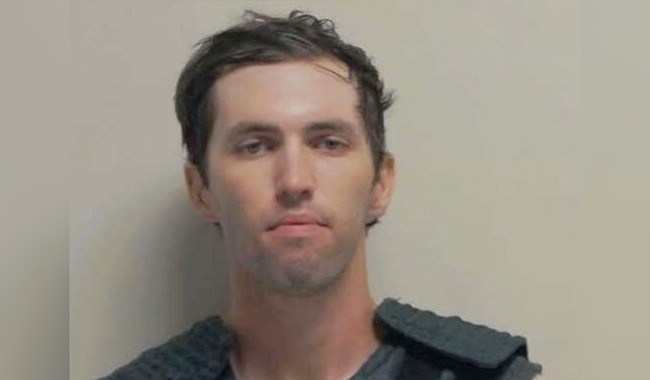
After his arrest, Robinson appeared virtually in court wearing a suicide prevention vest, which only added to the public sense that this defendant is not positioned to ask for comfort or dignity in the usual way. The defense framed their request as necessary to “maintain the presumption of innocence” and to avoid any “prejudicial effect” for a future jury. Those are standard legal concerns in theory, but context matters: many see a stark mismatch between the gravity of the allegations and the request for what looks like preferential treatment.
Fox News host Kayleigh McEnany captured that reaction bluntly, reminding viewers of the constitutional protections that do exist and pointing out what rights do not include. She said, “Where does he get off suggesting that he deserves this or is owed this?” and later listed the familiar protections: “Fifth Amendment, you get the protection against self-incrimination. Double jeopardy.” Her point was plain: due process is real, but it does not create a right to appear clothed like a walking free person when accused of a public, violent crime.
McEnany continued, “You get your due process rights from the Sixth Amendment. You get the speedy and impartial jury, right to counsel,” and added, “And then the right to compel witnesses. Nowhere in here, Mr. Robinson, is there a right to wear street clothes. Yeah, you can request that. You certainly don’t have a right to that.” Those exact words matter because they remind the public that constitutional rights have limits and do not guarantee courtroom theater. Conservatives who are grieving a major public figure see the request as tone-deaf and self-serving.
Public reporting notes that investigators claim the evidence against Robinson is strong, including a text message that supposedly recounts his actions. “There is a text message where he methodically recounts what he had done in a very cold and sadistic fashion,” McEnany said, repeating the allegation as reported. For many, these alleged facts make the defendant’s requests feel not only inappropriate but also brazenly manipulative. When an accused shooter is said to have planned or celebrated the act in a message, empathy evaporates for any move to soften firsthand courtroom perceptions.
Robinson is accused of firing a rifle at Kirk during an appearance at Utah Valley University on September 10, killing him in front of thousands. The accused reportedly negotiated the terms of his surrender, insisting on an arrest that was peaceful because he feared being shot by law enforcement. Officials said he “thought it was ‘inevitable’ that he would be caught and feared being shot by law enforcement,” and that admission drew immediate condemnation from conservative commentators who called it cowardice.
The fact pattern creates a hard political and moral question for the judge: does courtroom procedure protect a defendant in a way that may feel disrespectful to victims and their communities? Many on the right argue that justice should not be packaged in a way that gives the appearance of privilege to someone accused of murdering a major conservative leader. That view is rooted in a demand for accountability and for a justice system that projects strength rather than accommodation in cases of grave violence.
Security concerns and sealed filings are legitimate reasons for courts to limit what the public sees during pretrial motions, and judges routinely weigh those factors. Yet there remains a strong sentiment among conservatives that procedural protections have limits when the alleged crime is severe and public. In this case, the court will have to balance the defendant’s formal claims with practical safety considerations and the national attention the case has drawn.
Whatever the legal outcome of the clothing and shackling request, the broader fallout is already political and emotional. Supporters of Charlie Kirk see the plea as a further slight against his memory and his family, and they expect courts to make clear choices that respect both due process and the public demand for accountability. The coming private hearing will be the next step in a legal process that many want to see move swiftly and firmly.



Add comment