
Checklist: explain Trump vetoes and reasoning; outline the problems with decades-old federal projects; describe H.R. 131 and the Arkansas Valley Conduit history; cover H.R. 504 and the Miccosukee Osceola Camp issues; preserve and include original presidential statements and quoted passages.
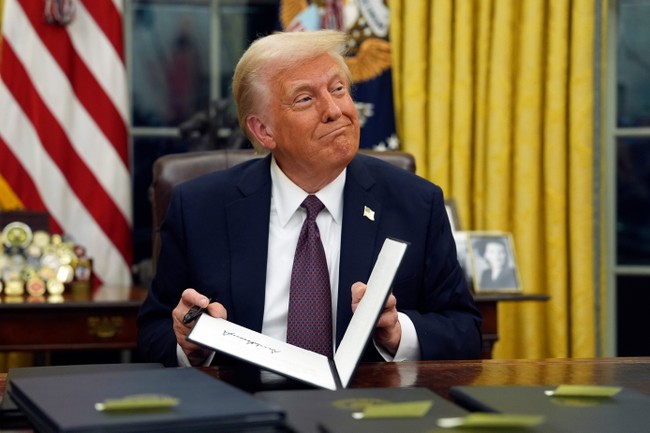
President Trump used his veto power to stop two long-dormant bills that would shift more federal cost onto taxpayers. These measures revive projects and changes first authorized decades ago, and the administration argued they reward special interests while expanding federal liabilities. The vetoes underline a Republican priority: protect taxpayers and push back on costly federal overreach.
H.R. 131 would have extended federal repayment terms for the Arkansas Valley Conduit, a pipeline project first authorized during the Kennedy administration to supply water to southeastern Colorado communities. Originally, the federal government agreed to fund the project with state and local governments repaying those costs to the Treasury, but the repayment obligations have been repeatedly altered. The proposal on the table would have further stretched and softened repayment terms, a move the president rejected as repeating failed patterns of federal subsidy.
In 2009, President Obama signed the Omnibus Public Land Management Act of 2009, which not only reduced the repayment obligation from 100 percent to 35 percent but also provided that miscellaneous revenues from the Fryingpan-Arkansas Project at large would count towards the AVC cost share. Even then, however, construction did not begin until 14 years later, after the State of Colorado authorized $100 million in loans and grants for the project.
The current bill would now have the Federal Government extend the repayment period (on the already-reduced repayment requirement) for an additional 25 years, creating a 75-year repayment period. The bill would also cut the interest rate in half.
The AVC is a textbook example of how federal projects can fester for decades while costs climb. The project has already consumed over $249 million of taxpayer money and could ultimately top $1.3 billion if completed under the current estimates. That kind of price tag should make lawmakers pause before turning the federal checkbook into a perpetual funding source for local infrastructure that was supposed to be locally repaid.
The White House statement accompanying the veto made the case directly: federal taxpayers should not be saddled with an ever-expanding repayment timeline and lower interest rates that amount to a subsidy. The administration framed this as a matter of fiscal discipline and fairness, arguing that local beneficiaries ought to bear the primary responsibility. From a Republican standpoint, rescuing chronically mismanaged projects with more federal money sets the wrong precedent.
A separate veto targeted H.R. 504, legislation concerning the Miccosukee Reserved Area and a residential zone known as the Osceola Camp within Everglades National Park. That bill would have required Interior to take steps to protect structures from flooding in an area the Tribe had not been authorized to occupy. The proposal followed prior federal action that had already committed resources to protect tribal infrastructure.
The subject of this bill is a specific area in the Everglades National Park known as the “Osceola Camp.” In 1998, the Congress passed the Miccosukee Reserved Area Act, which authorized the Miccosukee Tribe of Indians of Florida (Tribe) to permanently occupy a certain area within Everglades National Park. The reserved area did not include the Osceola Camp. Nonetheless, the Tribe has a residential community in that area, including infrastructure for wastewater treatment and water supply, and is experiencing periodic flooding. H.R. 504 would require the Secretary of the Interior, in consultation with the Tribe, to take appropriate actions to safeguard structures within the Osceola Camp from flooding events.
The Miccosukee had previously secured federal backing to replace and protect infrastructure at the Osceola Camp to the tune of $14 million under the prior administration. The Trump White House said it is inappropriate to extend more federal spending to areas not formally authorized for occupation and that taxpayer dollars should not be used to resolve disputes that stem from unauthorized settlement. The veto message emphasized the administration’s stance against funding projects that conflict with its immigration and public-safety priorities.
The Miccosukee Tribe officials say they are moving forward with their legal battle against the “Alligator Alcatraz” immigrant detention facility in the Everglades, arguing that Florida’s acceptance of more than $600 million in federal funds for the facility represents a major concession that strengthens their case.
The Tribe remains “strongly opposed to Alligator Alcatraz’s unpermitted and unlawful construction, on public lands seized by State emergency order,” Tribal officials said in a statement on Tuesday.
The administration argued the $14 million could be better used to defend against legal attacks tied to broader immigration and state decisions, rather than patching up infrastructure in a place the Tribe was never officially authorized to occupy. That position ties the administrative veto to wider policy goals about immigration enforcement and the limits of federal spending. For Republicans, this aligns fiscal restraint with enforcing legal boundaries around federal land use.
Vetoes are meant to be the last line of defense when Congress drifts into policy choices that saddle American taxpayers with long-term obligations. With pressing agenda items for the next year—healthcare subsidy decisions, avoiding shutdowns, and holding legislative majorities—these revived, decades-old bills now face an uncertain future. After many years on the shelf, both measures may finally be allowed to expire rather than resetting costly precedents.


Add comment