
The U.S. and Iran are reportedly negotiating a deal to halt hostilities and reopen the Strait of Hormuz, and Tehran is suddenly recasting one of its more brazen demands as something less offensive. This piece examines how Iran shifted from openly talking about tolls to calling them “navigational services” fees, why that matters under international law, how Oman factors in, and what it tells us about Iran’s motives and desperation.
The story starts with talks reportedly aimed at ending attacks and restoring safe passage through the Strait of Hormuz. President Donald Trump emphasized avoiding the mistakes of past agreements while pressuring for measures to prevent a nuclear path, and he raised the possibility of regional peace tied to broader accords.
What looks like backtracking from Iran is actually a rebrand of an earlier demand to charge for ships transiting the strait. Tehran initially floated the idea of tolls, then quickly shifted language to fees for “navigational services” and environmental protection. That switch is a classic move: change the label and hope people accept the same outcome dressed in legalese.
Quoted remarks from Tehran’s foreign ministry spokesman drove the point home. “Vessels crossing the Strait of Hormuz will need to pay fees for “navigational services,” Iranian Foreign Ministry spokesman Esmaeil Baghaei said Monday.” He followed up, saying such payments “were not tolls” and added, “The services that are provided, navigational services, in addition to the measures necessary to protect the environment of the Strait of Hormuz, the Persian Gulf, and the Sea of Oman, require the collection of certain fees,” Baghaei said, adding that Tehran was “not seeking to collect tolls.”
That line about environmental protection is telling. Iran wants to dress up extortion as a benign regulatory charge, casting itself as a steward rather than the aggressor. The reality on the water tells a different story: Iran has been the source of the security problem it now claims to be fixing, from seizing ships to attacking transits, and possibly even dumping oil because of storage issues.
Money is a powerful motivator. Tehran has been under intense pressure and sanctions, and the idea of collecting fees appeals to a regime strapped for cash. If it can shoehorn a financial scheme into a diplomatic agreement, it can both gain revenue and assert control over a strategic chokepoint that moves a huge share of the world’s energy commerce.
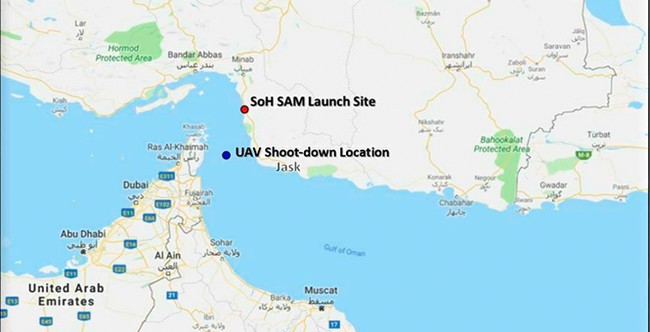
The geography complicates the scheme because the Strait touches the territorial waters of both Iran and Oman. Reports say Oman has been consulted, and that matters because Oman is a party to the United Nations Convention on the Law of the Sea. Under that convention, ships generally have the right of transit passage and cannot be charged or impeded, even in territorial waters.
Iran, for its part, is not a signatory to UNCLOS, which it has leveraged as part of its argument. But Oman is a signatory, and that legal commitment could block any lawful basis for a tolling regime that would apply across the strait. Oman publicly signaled it would not levy charges tied to UNCLOS principles, which would make Tehran’s offer a nonstarter unless Oman changes course.
Beyond the legalities, the political message is clear: Iran is trying to normalize coercion. Repackaging extortion as environmental or navigational fees is a tactic meant to create plausible deniability and divide international opposition. It’s a familiar maneuver from bad actors who want to appear reasonable while shifting the balance of control.
International reaction has been uniformly skeptical, with the United States and many allies rejecting any attempt to monetize free passage. The consensus is simple: control of the strait by a state that has attacked shipping is unacceptable, and no creative rewording will make that conduct legitimate. Attempts to cloak economic coercion in legal terms won’t erase the underlying power play.
Iran’s pivot also exposes a strategic calculation: if you can get others to accept your framing, you gain leverage without direct confrontation. The regime’s shift from blatant tolls to “fees” shows it’s trying to buy both money and international acceptance, and likely testing whether partners like Oman can be swayed.
What remains crucial is that freedom of navigation is a core international norm tied to global trade and security. Any effort to monetize or impede that passage threatens regional stability and the rules that keep trade flowing. Rebranding coercion does not make it acceptable, and the world will judge actions by their effects, not by the new terms Tehran uses to describe them.
Editor’s Note: For decades, former presidents have been all talk and no action. Now, Donald Trump is eliminating the threat from Iran once and for all.
Help us report the truth about the Trump administration’s decisive actions to keep Americans safe and bring peace to the world. Join RedState VIP and use promo code FIGHT to get 60% off your VIP membership.


Add comment