
Checklist: explain Trump’s stated goal in Operation Epic Fury; contrast media focus with national security threats; report Trump’s response to a reporter’s nuclear-use question; describe economic pressure on Iran and Treasury comments; present likely military and diplomatic outcomes. This article covers President Trump’s rationale, the media exchange, and the strategic pressure applied to Iran, preserving quoted remarks and original embed tokens.
President Donald Trump has framed Operation Epic Fury around a clear, narrow objective: prevent Iran from acquiring a nuclear weapon. He repeatedly pointed to the existential danger of a regime that has for decades embraced slogans like “Death to America” and supported proxies who have killed Americans. The administration’s narrative emphasizes that allowing a hostile theocracy to gain nuclear capability is an unacceptable risk to US security.
That threat assessment shapes everything else the White House is doing in the region, including targeted military strikes and economic measures designed to squeeze Tehran’s ability to fund its military and proxy networks. Intelligence on highly enriched uranium and the potential range of Iranian ballistic missiles informed the decision-making. Those technical details matter because they establish why decisive action, rather than prolonged negotiation, became the policy choice.
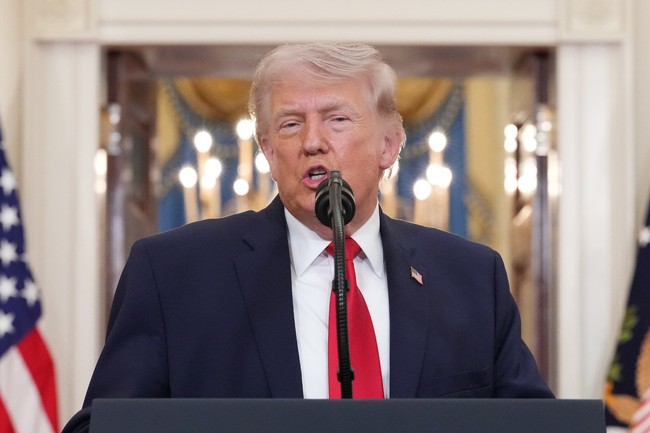
At a recent White House briefing, a reporter asked a provocative question about whether the president would ever use a nuclear weapon against Iran, a line of questioning that stunned the room. The president’s reaction was direct and dismissive of the premise. He challenged the question itself and then delivered a short, categorical explanation of his position on nuclear use.
“Why would I use a nuclear weapon when we’ve totally decimated Iran without it? A nuclear weapon should never be allowed to be used by anybody.”
Earlier in the briefing, Trump also responded to the reporter with terse disbelief: “Why would a stupid question like that be asked?” That exchange underscored two themes the White House wants emphasized: one, that the use of nuclear weapons is off the table in practice, and two, that conventional and precision strikes combined with economic pressure have already inflicted severe damage on Iran’s military infrastructure. The administration insists its campaign is tailored to avoid escalation to nuclear exchange.
Part of the strategy is to impose crippling economic pressure on Iran’s oil production and revenue streams, hitting the Revolutionary Guard Corps where it counts. Trump described how blocking operations on key facilities like Kharg Island, and halting oil exports, inflict real and potentially permanent damage to Iran’s economy. The administration argues that the resulting financial strain limits Tehran’s ability to pay its security forces and proxy commanders, making long-term aggression harder to sustain.
Treasury officials have weighed in on the economic squeeze, explaining that sanctions and controls on shipping and insurance can choke off export revenue. That, the administration says, directly targets the IRGC’s funding channels. The political message is simple: military pressure is backed by finance, and the combined effect is meant to force Tehran to the bargaining table on terms favorable to US interests.
When asked about the prospect of a negotiated settlement versus continued military pressure, the president made it plain that diplomacy remains an option but only under conditions that remove the nuclear threat. He asserted that much of Iran’s infrastructure has already been targeted and that further military steps remain available if Tehran refuses to compromise. The posture is one of leverage: press now, force concessions later, avoid nuclear use at all costs.
Observers in Washington note that this approach also places a clock on the Iranian regime, not on the United States. If sanctions and blockades curtail oil flow and revenues, Iran faces internal unrest and logistical problems that could erode its leadership’s cohesion. The White House claims this creates a strategic asymmetry where the pressure of time is applied to Tehran, increasing the chance of a favorable resolution without escalation.
Critics will argue about optics and proportionality, and the media spotlight will keep returning to provocative questions about escalation. But the administration’s line is consistent: prevent a nuclear Iran, cripple the financial means for aggression, and use measured force where necessary. The narrative driving Operation Epic Fury remains focused on tangible, narrow national security goals rather than rhetorical escalation.
Whatever comes next, the policy mix of targeted strikes, economic strangulation, and clear public messaging is intended to close off the avenues that would let Iran rebuild a nuclear program. The president’s blunt answers during the briefing were meant to reassure that nuclear weapons are not a tool the U.S. will employ, while also signaling that the campaign to stop Iran’s nuclear ambitions will continue through conventional and financial means.


Add comment