
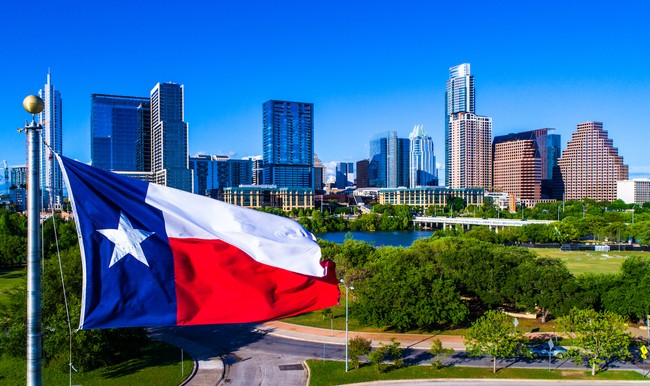
The piece explains why Texas is surging ahead in the national migration of people and capital, contrasting the state’s business-friendly climate with faltering blue-state policies and noting how multiple Texas metros are fueling a new economic center of gravity.
I’ve been tracking what I call the Great Sorting, a realignment pulling people and money toward places that reward enterprise. The split is straightforward: some states foster prosperity and freedom, others lean into heavy regulation and decline. That split explains much of the economic migration we’ve seen in recent years.
California offers a cautionary tale of a once-great engine of commerce that has lost its competitive edge, largely because of policy choices. When leaders prioritize punitive taxation and burdensome rules, businesses and families look for terrain where they can thrive. Voters notice outcomes, and they respond by voting with their feet and wallets.
The race to become America’s next economic heavyweight may already have a frontrunner.
The latest Internal Revenue Service (IRS) migration data show billions of dollars in taxpayer wealth flowing into Texas, while Census figures show the state’s largest metropolitan areas continue to outpace much of the country in population growth, strengthening a decades-long shift in America’s economic center of gravity.
What’s more, Texas isn’t relying on a single boomtown. Dallas-Fort Worth added more residents than any metropolitan area in the country over the past year, while Houston, Austin and San Antonio also ranked among the nation’s fastest-growing metros.
That unusual breadth gives Texas multiple engines of economic growth, providing businesses with larger labor pools, diversified industries and a broader customer base than states anchored by a single dominant city.
What makes Texas different is breadth and predictability. Dallas-Fort Worth, Houston, Austin and San Antonio are not isolated successes; together they create diverse opportunities that draw firms and workers alike. Policymakers there have prioritized lower taxes and clearer regulations, and companies respond to stability and predictable costs.
“Capital follows where there is confidence,” Texas Association of Business Chief Policy Officer Gabriela von zur Muehlen previously told Fox News Digital. “And right now there is a tremendous amount of confidence in Texas.” That line nails the dynamic: confidence begets investment, and investment begets jobs and wages. It is a simple equation, and Texas is benefiting in measurable ways.
States that chase the opposite strategy—high taxes, uncertain rules, and punitive rhetoric—will struggle to attract entrepreneurs or retain established employers. The policy debate is not abstract; it shows up in payrolls, housing markets, and infrastructure investment. When the state plays host to multiple thriving metros, it writes a very different growth story than a region dependent on a single city.
Conservative principles matter here: keep government small where possible, let markets allocate resources, and reward productive effort. Those are not trendy ideas in every coastal capital, but they work. Texas demonstrates that sensible tax policy and regulatory stability are not ideological gestures; they are practical tools for economic health.
Now is the moment for voters in struggling jurisdictions to consider alternatives. Independents and moderates decide elections, and they respond to what works. If a state’s leadership insists on policies that drive out talent and capital, the electorate will have to weigh whether those priorities are worth the economic costs they impose.
Politics aside, the mechanics are plain: lower taxes, sensible regulations, and respect for private enterprise attract investment. States that resist the urge to micromanage will have an easier time generating jobs and higher incomes. Texas is reaping that reward today, and it’s a living demonstration of how policy choices shape economic destiny.
It’s tempting to reduce the shift to sleek marketing or one-off corporate moves, but the movement is structural and deepening. Multiple Texas metros adding residents and capital at once changes the map of opportunity in this country. For politicians interested in prosperity, studying what drives migration and investment is not optional.
There are still conservative voters in once-blue places, and those voters can influence the future if they organize and push for change. But the larger point is institutional: economies that reward success will continue to pull ahead, and places that double down on restrictive policies will face the consequences. The Great Sorting is an economic reality as much as a political one, and Texas stands as the clearest example of that shift.

Add comment