
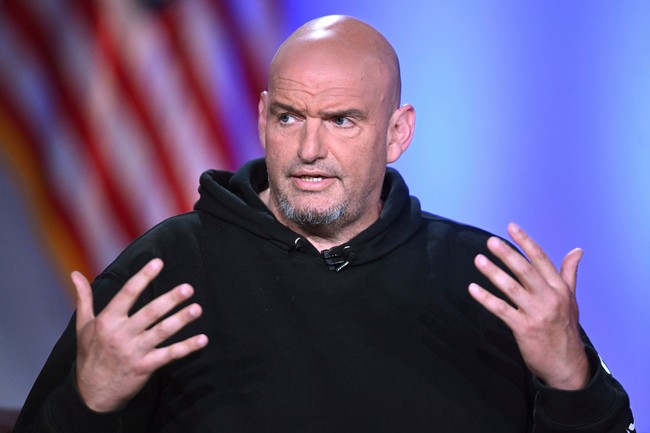
Sen. John Fetterman blasted fellow Democrats after a television interview exposed the Democratic Socialists of America’s plan to overhaul core American institutions. The DSA co-chair confirmed radical proposals on live TV, and Fetterman publicly called out party leadership for staying silent while more extreme activists gain influence.
The segment on “Fox News Sunday” featured DSA national co-chair Megan Romer acknowledging a list of far-reaching goals. Among the items she affirmed were eliminating the Senate, replacing the presidency and the Supreme Court, ending borders and prisons, and defunding the Pentagon, which the Constitution ties to the duty to “provide for the common defense.” The admissions were striking and alarming to many who watched.
Fetterman reacted with visible anger and a blunt message for his party. He told fellow Democrats that proposals to, in effect, abolish the Senate, gut the Pentagon by starving it of funds, alter the presidency, and eliminate prisons were not progressive reform but chaos. “This isn’t a big tent — it’s anarchy,” he declared, putting his finger squarely on how these ideas threaten the fabric of government.
The senator asked a simple but piercing question: “Why can’t Dems call out the DSA?” His frustration stems from more than one interview clip. It reflects a growing sense that mainstream Democrats tolerate or enable an increasingly radical faction because they fear alienating a vocal base. That dynamic, Fetterman warned, risks turning a governing party into something unrecognizable.
Across the leadership ranks, responses have been muted, and that silence has consequences. House Minority Leader Hakeem Jeffries faced chants suggesting socialists would target him next, yet he did not publicly push back in a way that reassured moderates or defended institutional norms. Senate Minority Leader Chuck Schumer has offered equally tepid responses, fueling concerns that party leaders lack the stomach to confront extremism within their ranks.
The GOP should keep pressing this issue, not merely for political advantage but to highlight the stakes for national security and constitutional stability. The conservative argument is straightforward: voters deserve clarity about which candidates and factions support policies that would dismantle key institutions. Drawing contrasts on core responsibilities like defense, separation of powers, and public safety is both principled and practical politics.
https://x.com/SenFettermanPA/status/2081440171224928516
Fetterman’s stance is notable because he is a Democrat openly criticizing his party’s trajectory, and that matters in a moment when party identity is shifting. If mainstream Democrats continue to bend to the most radical voices in their coalition, they risk losing moderates and independents who value continuity and order. Some Republicans see an opportunity to make that choice unmistakable to voters in upcoming elections.
The spread of socialist-leaning candidates winning primaries and securing nominations shows this is not a fringe problem. Local activists who once operated at the margins now have influence in candidate selection. That evolution creates pressure on party elites who may calculate short-term electoral benefits without seeing the long-term peril of empowering actors who advocate abolishing institutions.
From a Republican viewpoint, the remedy is clear: shine a light on those positions, demand clarity from Democrats who share power, and give voters a clear choice about preserving American institutions. The debate is not merely about policy tweaks; it is about whether a governing party will defend the structures that enable ordered liberty. Republicans argue that defending those structures should be a bipartisan priority.
This confrontation is reshaping political alliances and campaign messaging for both parties. Democrats who refuse to distance themselves from radical elements are making a strategic gamble that could cost them centrist support. Republicans intend to keep highlighting those choices and pressing the case that radical proposals cross a line from reform into destruction.
Fetterman’s public rebuke crystallizes a broader tension within the Democratic coalition that could determine how the party governs if it regains or retains power. The core question he posed—”Why can’t Dems call out the DSA?”—is becoming central to voter calculations. That question will likely play a significant role in political debates from now through the next cycle.

Add comment