
The viral claim that a Tennessee Highway Patrol trooper intentionally rammed an anti-ICE protester in Memphis fell apart once dashcam footage was released, exposing a false narrative pushed by a Democratic lawmaker and amplified by sympathetic outlets; the video shows the protester interacting with the patrol vehicle but not being struck or injured, and the official THP statement urged viewers to “Have a look for yourself.”
The scene unfolded during a large “ICE Out” demonstration in Memphis where tensions predictably ran high between protesters and law enforcement. Arrests were made and chaos reigned in places, but the core claim at issue was narrower: that a trooper had used his vehicle to ram a person identified by some as a marshal. That version of events spread fast.
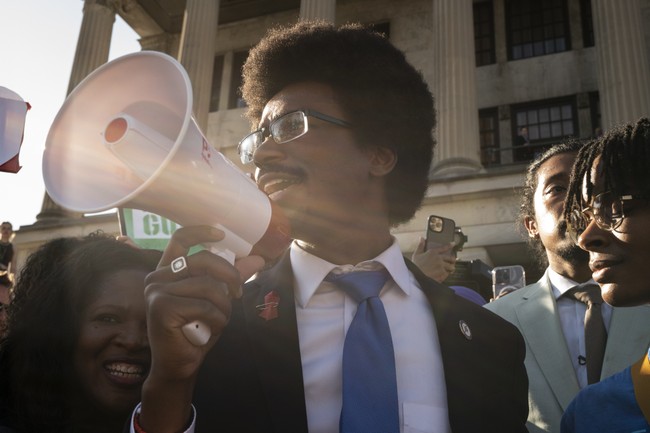
State Representative Justin Pearson publicly accused the Tennessee Highway Patrol of “ramming” a marshal at the protest and called for an investigation. His language framed the episode as a dangerous assault on peaceful dissent, declaring the act “disturbing, dangerous, and troubling” and demanding TBI involvement. Those assertions gained traction online before any official footage could be reviewed.
When THP released dashcam footage, the picture changed immediately. The video shows the individual in a reflective vest near the front of the patrol vehicle, at one point holding on and then lying down briefly before getting up and leaving under his own power. The video does not show any trooper intentionally striking or running over the person, and no injury is evident on the footage the patrol made public.
THP’s response was blunt and on point: “In Memphis, there are social media posts alleging that an individual was hit by a Tennessee Highway Patrol Trooper. This is false. Have a look for yourself.” That kind of direct rebuttal matters, because the rush to declare wrongdoing without checking official evidence is exactly what fuels false scandals and unfair attacks on officers doing a hard job.
The episode is a textbook example of how a single misleading narrative can spread and harden into perceived fact before the proper records are reviewed. Social media and partisan outlets quickly repeated the claim that a trooper had run down a protester, but video proof undermined that narrative. Once the dashcam was public, the sequence of events looked less like a deliberate use of force and more like a protester placing himself in harm’s way and then walking away.
Critics will say officers should avoid any contact with civilians, and obviously police conduct should be accountable and transparent. Still, responsible reporting requires seeing the whole scene. Here, the dashcam showed the protester holding onto the front of the trooper’s vehicle, lying down, then standing back up afterwards and leaving without visible injury, which undercuts the claim that an officer had violently rammed him.
From a Republican perspective, this incident highlights two problems: the eagerness of some lawmakers to weaponize ambiguous moments for political gain, and the media ecosystem that amplifies those claims without basic verification. When a public figure accuses law enforcement of deliberate harm, the consequences for the officer and for public trust are serious, even if the accusation later proves false.
Pearson’s statements framed the protesters as “angelic dissenters” and suggested officers had endangered constituents. That rhetoric inflames emotions and assumes guilt before facts are established, which is precisely the dynamic that creates wrongful outrage. The dashcam footage undercuts the dramatic language and suggests a different, less sinister reality.
There is historical context worth remembering: in recent years, isolated images or clips have been seized upon to create national scandals that evaporated once fuller evidence emerged. Those episodes have left law enforcement vulnerable to reputational damage and policy overreach driven by headlines rather than facts. This Memphis event follows that familiar pattern.
Accountability remains essential, and officers should be investigated when credible evidence of misconduct appears. But rushing to judgement without watching official footage serves no one and only deepens political divisions. The dashcam in this case provided a needed corrective, showing that the dramatic allegation of a trooper ramming a protester did not match the recorded reality.
The larger lesson is straightforward: verify before vilifying. Tempered, evidence-based responses protect both citizens’ right to protest and the safety and reputation of those sworn to protect the public. In this instance, the available video undercut the viral narrative and made clear that the immediate claims were not supported by the primary evidence.


More false narratives and lies from Demonrats I’m sick of it!!! And that idiot deserved to be run over!!! Never step in front of a police vehicle with lights on and siren blaring!!! He should be in jail