
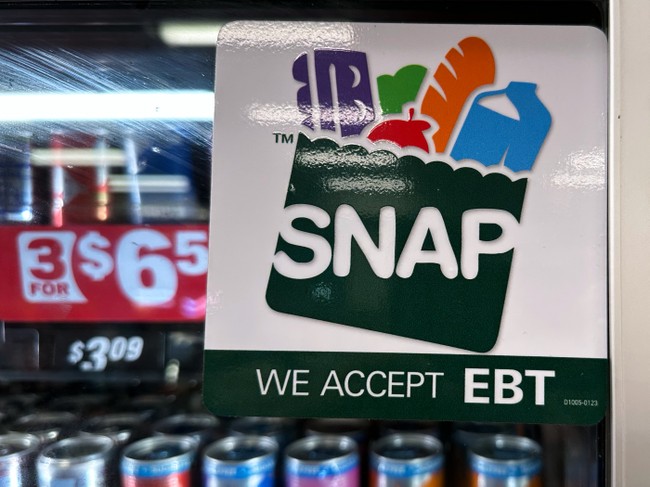
The administration reopened the government and restored November SNAP benefits in many states, but USDA Secretary Brooke Rollins is signaling a broad reset: reapplications, tighter recertification, and tougher oversight to fight alleged fraud and reduce long-term dependence on food assistance. This piece lays out what Rollins has said, quotes her remarks and related commentary exactly as given, describes proposed reforms from conservative writers, and notes the pushback from the left while keeping focus on accountability and program redesign.
Secretary Rollins announced a plan to require all Supplemental Nutrition Assistance Program beneficiaries to reapply, citing state data that allegedly exposed improper payments. The goal she articulated is to identify fraud, confirm eligibility, and make sure benefits reach those truly in need. By insisting on fresh recertification, the administration signals it wants to rebuild the system around verified need rather than automatic renewals.
Agriculture Secretary Brooke Rollins on Thursday said the Trump administration is planning to have all Supplemental Nutritional Assistance Program (SNAP) beneficiaries reapply for the program due to alleged fraud.
The secretary said after receiving data on SNAP recipients from 29 red states that “186,000 deceased men and women and children in this country are receiving a check.”
“Can you imagine when we get our hands on the blue state data what we’re going to find?” she asked during a Thursday appearance on Newsmax’s “Rob Schmitt Tonight.”
“It’s going to give us a platform and a trajectory to fundamentally rebuild this program, have everyone reapply for their benefit, make sure that everyone that’s taking a taxpayer-funded benefit through SNAP or food stamps, that they literally are vulnerable, and they can’t survive without it,” she added.
Every state has a periodic recertification process that requires SNAP or food stamp recipients to update their whereabouts and earnings, according to the Department of Agriculture (USDA). Most municipalities require updated data every six to 12 months.
“Secretary Rollins wants to ensure the fraud, waste, and incessant abuse of SNAP ends,” a USDA spokesperson said in a statement to The Hill. “Rates of fraud were only previously assumed, and President Trump is doing something about it. Using standard recertification processes for households is a part of that work. As well as ongoing analysis of State data, further regulatory work, and improved collaboration with States. “
Conservative commentators have already outlined measures they think should accompany Rollins’ push, arguing for firm limits and stronger work requirements. Those proposals aim both to prevent fraud and to break multigenerational dependency. The emphasis is on accountability, short-term help for the truly needy, and clear expectations for recipients who can work.
This can be fixed, and the needful actions can and must be a part of Secretary Rollins’ reforms. These fixes should include:
- A lifetime limit on benefits. Be it a year, two years, five years, there must be a limit. This multi-generational doom spiral of dependency has to be broken. If people exceed their limits and still have kids they can’t afford to feed, they lose their kids. Harsh? Yes. Necessary? If we are to end this cycle, yes.
- Strict limits on how the benefits are administered and how they are used. A weekly draw from a local food bank would be the ideal option: Bulk rice, bulk dry beans, lean chicken or turkey. Milk and so forth, if there are small children involved. If there is no local food bank, recipients get a large, 8 1/2″ x 11″ piece of paper, printed boldly with “GOVERNMENT FOOD VOUCHER,” listing specifically what items may be purchased.
- Lifetime bans on anyone convicted of defrauding or abusing the system. Kids involved? See above.
- Work requirements. Anyone with any office skills can spend 20 hours a week doing clerical work for the state or local governments. Everyone else gets an orange vest, a trash bag, and one of those spike sticks, and is sent out to spend 20 hours a week picking up trash along the roadways.
Rollins’ office and USDA notes point out that states already perform periodic recertifications, often every six to 12 months, so the idea of a systematic reapplication is an extension of existing rules rather than a brand new regime. The plan, as described, would involve data analysis, regulatory changes, and closer state collaboration to identify improper payments. That approach is meant to be surgical, targeting waste while restoring integrity.
Deputy Under Secretary Patrick A. Penn has already signaled that employment and training expectations will be a priority as guidelines are updated. The administration’s messaging frames work as a path out of dependence and a core part of SNAP’s reform. Officials emphasize technical assistance for states to resume normal employment and training activities immediately.
Prior FNS guidance encouraged state agencies to delay further obligations until federal funding was restored. Please resume normal employment and training activities immediately. It is a priority of this Administration to ensure those that can work do; therefore, FNS is ready to provide technical assistance for critical employment and training services that help SNAP households gain job skills and find work.
Critics on the left have responded with alarm, warning that mass reapplications could overwhelm systems and disrupt benefits for vulnerable people. That critique frames reapplication as potentially cruel if not carefully managed. The administration faces the twin tasks of rooting out fraud and avoiding harm to the elderly, disabled, and families with children.
The Trump plan to make everyone reapply for SNAP benefits borders on evil. Under normal conditions, approving SNAP takes months, now imagine flooding an already overwhelmed system with 40M brand new applications that must be processed and reviewed. Elderly, disabled, and children (most of the SNAP beneficiaries) will be cut off for easily a year or more. Hopefully that isn’t the intention, but it really looks like it is.
From a Republican standpoint, demanding verification and restoring accountability is the right move for taxpayers and for the long-term health of the safety net. The program can be retooled to protect the most vulnerable while discouraging abuse and dependency. States will have discretion in implementation, and success will depend on clear rules, efficient processing, and targeted support for those who cannot work.
Practical details will emerge when Secretary Rollins releases full guidance, but the thrust is clear: verify eligibility, tighten oversight, and make work and time limits central where appropriate. The goal is a leaner, more honest program that serves those who truly need help while protecting public funds and encouraging self-sufficiency.



Add comment