
This piece examines the fallout from a New York Times column that accused the IDF of using “rape dogs” and places that claim in the wider pattern of sensational animal-espionage stories coming out of the region. It questions the evidence behind the allegation, tracks similar historical claims about wildlife weaponization or spying, and argues for healthy skepticism while highlighting how such charges feed public outrage. The article keeps a direct tone and frames the controversy through the lens of media responsibility and political consequences.
The New York Times faced sharp criticism this week after Nicholas Kristof published dramatic allegations about the Israeli Defense Forces. His column sparked pushback from readers and officials, and the controversy has become a test of journalistic standards and political accountability. The paper than addressing the issues with his column.
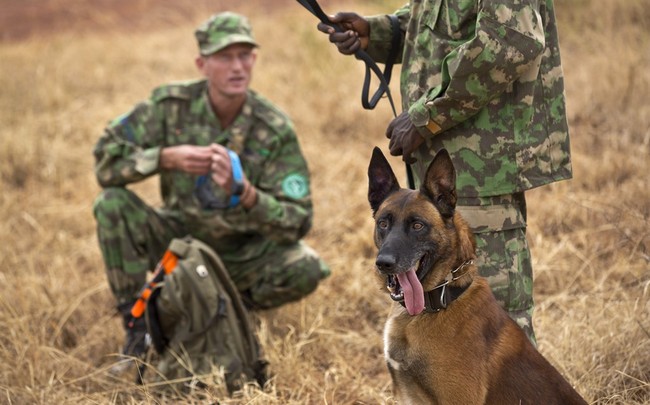
One line in the column stood out and prompted both outrage and incredulity: the claim that detainees reported the IDF employing “rape dogs.” That phrase alone inflamed social media and conservative audiences who see such reporting as a deliberate smear. Republican commentators have been quick to highlight the lack of verifiable evidence and the damage that strong but unproven accusations can do to public discourse.
Beyond that incendiary phrase, the piece taps into a long-running well of stories about animals being used for military or espionage purposes in the Middle East. Over the years, claims have circulated about everything from rats released into populated areas to wild boars allowed loose to damage property. Those reports are often repeated with little verification, yet they stick because they fit a narrative of covert, underhanded tactics.
When rats began appearing in some areas, some sources suggested a coordinated release tied to military action rather than the predictable spread of rodents in wartime conditions. Skeptics point out that infestations naturally follow disruptions in sanitation and shelter, but the more sensational explanation spreads faster in partisan settings. The story tapped into that appetite for dramatic, animal-based accusation.
The archive of such allegations is colorful and at times almost comic: dolphins accused of spying, sharks blamed for attacks, boars blamed for crop damage, and even lizards and squirrels suspected of being used as agents. Many nations have accused Israel of deploying wildlife in aggressive roles, while Israel and other states routinely deny deliberate use of animals as weapons in the ways claimed. These assertions often surface without independent confirmation, which should temper how they’re reported and amplified.
Spy-animal tales are not limited to one side. Iran once “detained” 14 squirrels alleged to be spies, and various groups have claimed captured birds or other creatures were working for foreign services. Governments sometimes seize animals and publicize the event to stoke domestic fears or to distract from other issues. That pattern of politicizing wildlife incidents means readers should demand documented proof before accepting extraordinary charges.
Birds, in particular, show up in a lot of these narratives: captured eagles, detained vultures, and suspected spy raptors have all been trotted out as evidence of clandestine programs. Turkey, Saudi Arabia, Sudan, Lebanon and others have at various times claimed Israeli involvement when wildlife incidents occurred. The tendency to read malice into animal behavior during tense political moments is predictable and often unhelpful, yet it fuels headlines and tribal outrage.
Even the more lurid claims—hyenas allegedly on the payroll of intelligence services or packs of unusual predators used to terrorize villages—fit into the same pattern of sensationalism meeting geopolitical friction. Such stories are entertaining in the same way folklore is: they reflect fears, stereotypes and a hunger for dramatic proof of enemy perfidy. The responsible press response is to investigate carefully and avoid amplifying claims that have the potential to inflame or mislead.
At stake here is more than a single column or a single reporter’s reputation; it is about how media outlets handle explosive allegations that shape foreign policy debates and domestic political narratives. Republicans and conservatives insisting on standards are right to demand clear sourcing and verification when a story carries the weight of potential diplomatic fallout. Readers deserve reporting anchored in verifiable facts rather than the most provocative rumor of the moment.


Add comment