
Eric Trump remembers a moment after his father’s 2024 conviction when Donald Trump, against all odds, told him, “we’re going to win this all.” This piece examines that exchange, the context of the legal battles, and how a resilient outlook played into the political rebound that followed. It also questions the motives and outcomes of the prosecutions and highlights the contrast between aggressive prosecutions and a politically energized base. The narrative centers on confidence, legal appeals, and the reaction from prosecutors whose cases failed to stop a political comeback.
The run of events that led to that car ride started with a difficult stretch for Donald Trump: the disputed 2020 election, what many saw as politically motivated moves by federal and state officials, and heavy legal pressure from multiple fronts. Financial institutions tightened their relationships, state attorneys pursued civil settlements, and federal attention created a sense of encirclement for his business and political operations. To critics, it looked like a coordinated effort to sideline a dominant political figure, and for supporters it felt like an assault on democracy itself.
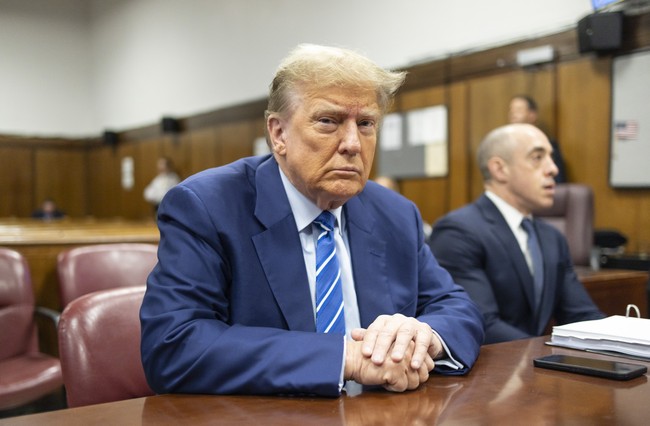
Then, in May 2024, a New York jury convicted Trump on 34 counts of falsifying business records tied to the Stormy Daniels payment. That conviction was widely covered and framed as a turning point that might finish his political career. For a lot of observers, the moment seemed decisive and irreversible, a legal checkmate that would force him out of public life and undercut his influence among voters.
Eric Trump recounted the moment differently on the “Hang Out with Sean Hannity” podcast, describing his father’s calm and conviction even in defeat. According to Eric, as they drove away from the courtroom, his father told him, “we’re going to win this all.” That line, short and unapologetic, captured a refusal to be written off and set the tone for what came next.
“We were driving out of the court. My father had just been convicted… and the two of us are in the car together…
“And he looked at me, and he goes, ‘Honey, I don’t know how, but somehow we’re going to win, and somehow we’re going to win this all.'”
Eric says his father meant more than just prevailing in courtrooms; he meant reclaiming political ground. “He wasn’t just talking about the actual court case… he was also talking about winning the White House back and winning the entire election,” Eric added, according to his podcast comments. That ambition drove a focused campaign strategy and a message that turned legal setbacks into rallying points for supporters.
The conviction was appealed, a process that could take years and keep the case alive in legal limbo, but that uncertainty didn’t stall the political momentum. From a Republican angle, the prosecutions felt like politically timed attacks from opponents who underestimated the durability of Trump’s support. Instead of erasing him from contention, those cases arguably hardened his base and turned court dates into campaign milestones.
When you look at the players who pursued these cases, questions remain about priorities and proportionality. Manhattan prosecutors and other officials spent considerable resources chasing charges that many on the right saw as petty or vindictive. The net result was not the political removal of a leader but a galvanization that accelerated his return to the national stage.
Even those who once expected a rapid political fade found themselves surprised by the speed of his rebound, which included international diplomacy and a resurgent public profile. Where critics hoped for silence, they instead faced a commander in chief actively engaging on the world stage and leading a Republican message that framed the prosecutions as overreach. That contrast—aggressive litigation versus political resilience—now defines the debate about whether justice was served or weaponized.
Personal recollections from Eric Trump underline how leadership under pressure can shape events. “He came from such a place of positivity in such an unbelievably low moment,” Eric told Hannity. “I’ll never forget that as long as I live.” Those words show a leader who, from his supporters’ point of view, refused to concede defeat even when institutions turned against him.


Add comment