
This piece reflects on the legacy of the real women behind the Rosie the Riveter image, notes recent commemorations and honors, and reports on the passing of Jeanne Gibson, one of the original Rosies, while stressing the importance of remembering the sacrifices and stories of the World War II home front.
Rosie the Riveter stands as an unmistakable symbol of American grit, ingenuity, and the can-do spirit that powered the nation through World War II. The image captured more than factory labor; it captured determination and the way women shouldered responsibility on the home front to help bring soldiers home. Those stories are literal pieces of American history, and they deserve attention beyond nostalgia or occasional ceremonies. Without steady preservation, the memory of what those women did risks slipping into a vague icon rather than lived experience.
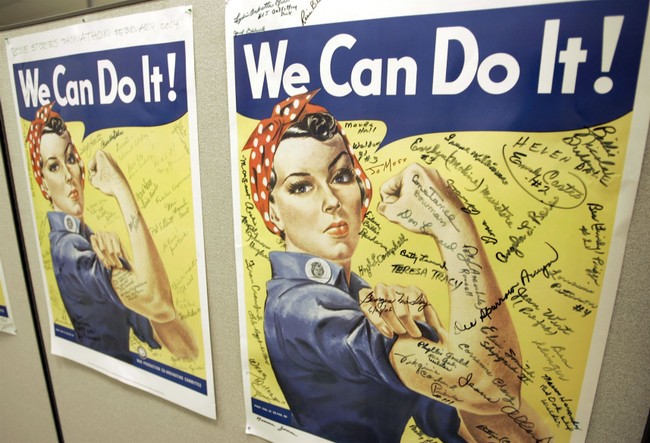
Rosie’s story traces its roots to a 1942 song celebrating the fictional factory worker Rosie, a patriotic and industrious figure who embodied the collective effort of these women. Visual representations soon followed, with J. Howard Miller’s “We Can Do It!” poster for Westinghouse Electric being one of the most enduring. Though initially a workplace morale booster, the poster gained fame in the 1980s as a feminist icon. Norman Rockwell’s 1943 depiction of Rosie on the cover of The Saturday Evening Post offered another interpretation, showing a strong, confident woman wielding a rivet gun with an American flag backdrop.
This year marked the 82nd anniversary of D-Day, a moment when the nation takes stock of what the Greatest Generation endured and achieved. Jennifer McMullen, identified among the original Rosie the Riveters, spoke about her wartime work: she was 18, worked the night shift at a Lockheed factory, and felt she was contributing to getting her brothers home. Her firsthand account is one of many that bring texture to the poster and the song, transforming a symbol into a set of lived choices and sacrifices.
Jennifer McMullen had two brothers fighting during World War II — one in the European theater and the other in the South Pacific — and so the Ohio native-turned-Phoenix transplant was happy when she landed a job as a riveter at a California Lockheed factory.
“I worked the night shift,” she told USA TODAY via video call from her home in Whittier, California, her son Tim by her side. “I was 18 and I lived on my own, and I felt like I was contributing to getting my brothers home.”
Her brothers both did come home safely, “thankfully,” and McMullen, now 101 years old, will celebrate her 80th wedding anniversary with her husband, Mel, at the National World War II Museum as the New Orleans site hosts 31 real-life “Rosie the Riveters” at its 2026 American Spirit Awards June 4-6. June 6 is also the 82nd anniversary of D-Day, when Allied troops invaded Normandy, France, turning the tide of the war in Europe.
Institutions and archives have attempted to keep these memories alive through filmed oral histories and curated projects that record the voices and experiences of the original Rosies. Those efforts create a richer portrait of the women behind the icon, showing the diversity of backgrounds and motivations that united them in a common cause. Without such records, the symbol risks being flattened into a poster without people. Archival work helps future generations access the firsthand testimony that gives history its moral and practical lessons.
This archive of filmed oral histories was created by filmmakers Anne de Mare, Kirsten Kelly and Elizabeth Hemmerdinger under the guidance of the irreplaceable Dr. Michael Nash. The 48 women represented here provide a complex portrait of Rosie the Riveter, taking the viewer beyond the iconic “We Can Do It” poster girl and deep into the experiences real Rosies from diverse backgrounds, challenging the popular perception of women in American History. The filmmakers were inspired by the extraordinary women of The Real Rosie The Riveter Project to develop this material into an animated documentary project using new media technologies called The Girl With The Rivet Gun.
Yet the ranks of those who remember the war years are shrinking. This week brought the news that Jeanne Gibson, another original Rosie, died on July 29, 2026, at the age of 100. Her life touched several chapters of the American story: she left Minnesota at 18 to weld at Todd Pacific Shipyards in Seattle, helping build destroyers that supported the Allied effort. She later served with the Army Transportation Corps in Alaska and then pursued an academic career that included earning a Ph.D. and teaching for decades.
https://x.com/Steve09812/status/2082697386003198297
It is with profound sorrow that we bid farewell to Jeanne Gibson, our beloved Rosie the Riveter, has passed away today, July 29, 2026, at the remarkable age of 100. With her passing, we don’t simply mourn the loss of a beloved friend, we honor the life of an American hero whose courage, dedication, and unwavering spirit helped shape history, and will continue to inspire generations to come.📷📷
At just 18 years old, Jeanne left her home in Minnesota in the summer of 1944 and answered her nation’s call, becoming a welder at Todd Pacific Shipyards in Seattle. With determination and grit, she helped build destroyers that strengthened the Allied war effort during World War II. She later continued her service with the Army Transportation Corps in Juneau, Alaska, embodying the resilience and patriotism of the Greatest Generation.
Yet Jeanne’s legacy extended far beyond the war. She earned her Ph.D., dedicated three decades to teaching, earned her private pilot license, and spent the rest of her life proving that courage, determination, and purpose know no age.
In 2024, Jeanne and her fellow Rosies were collectively awarded the Congressional Gold Medal, one of our nation’s highest civilian honors, recognizing the extraordinary women whose sacrifices and determination helped secure victory during World War II.
To all of us at Pacific Historic Parks, Jeanne was far more than a Rosie, she was family. She traveled to Hawaiʻi time and again to share her remarkable story with visitors, inspire local students, and ensure that the sacrifices of the Home Front would never be forgotten. Her radiant smile, generous heart, and boundless enthusiasm touched every life she encountered.
She had a special gift for encouraging young girls, reminding them that no dream was too big and no obstacle too great. Through her words and her example, she inspired generations to believe in themselves and pursue lives of courage, service, and purpose.
Jeanne remained a tireless advocate for preserving the legacy of the Rosies, volunteering at Rosie the Riveter WWII Home Front National Historical Park on “Rosie Fridays” and ensuring the stories of the women who helped win the war would continue to inspire future generations.
In one of life’s poignant moments, just days before her passing, Jeanne was celebrated with a Wall of Honor banner at the park she loved so dearly and recognized during a San Jose Earthquakes halftime ceremony honoring Bay Area heroes. It was a fitting tribute to a woman whose life was defined by selfless service, quiet strength, and extraordinary grace.
Though Jeanne has taken her final flight, her legacy will never fade. It lives on in every story she shared, every young person she inspired, every life she touched, and in the enduring example of courage she leaves behind.
Our hearts are with Jeanne’s family, her fellow Rosies, and all who were blessed to know and love her.
Rest in peace, Jeanne Gibson.
Thank you for answering the call when your country needed you most. Thank you for showing generations what courage looks like. We will remember you always
Public ceremonies, museum exhibits, and classroom visits matter because they keep the details alive: who these women were, what they did, and why it mattered. If the stories fade into abstract praise, the practical lessons about service, sacrifice, and civic responsibility are harder to pass on. Remembering is not sentimental; it is civic maintenance that helps a free nation stand steady through changing times.



Add comment