
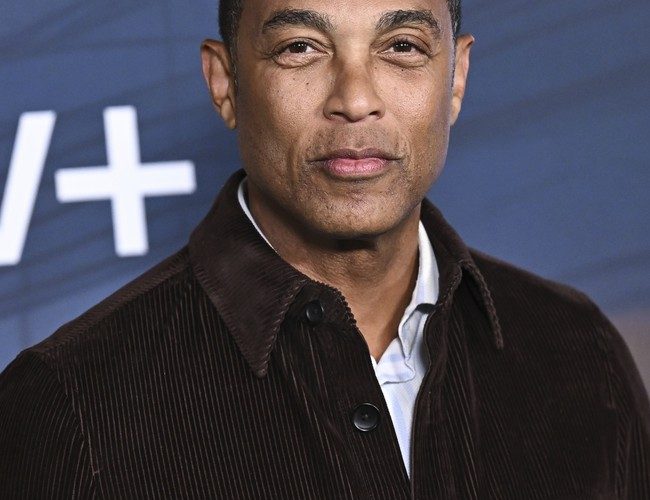
The article reviews the arrest of Don Lemon in Los Angeles, reports that additional suspects were taken into custody, summarizes official statements about a grand jury and agency involvement, and notes Attorney General Pam Bondi’s confirmation that three others were arrested in connection with an attack on a church in St. Paul.
<pThe shock waves from Don Lemon’s arrest landed fast and loud in media circles, and conservatives are watching how the story is framed. Reaction will be fierce from the left, but the facts matter more than the predictable outrage machine. This piece lays out what’s been reported so far and highlights the official steps taken by investigators.
Law enforcement moved in late Thursday night into early Friday, taking Lemon into custody at a hotel in Los Angeles. Sources say federal agents and investigators from multiple agencies handled the operation, which suggests this was coordinated rather than a routine local arrest. That kind of interagency involvement often means allegations have broader national implications.
Initial reporting noted Lemon was in Los Angeles to cover the Grammys when he was detained, which complicates matters for his plans and public profile. There’s little doubt the timing will feed the narrative of an attack on press freedom among his supporters. Still, arrests are about evidence and procedure, not spin, and officials appear to be following formal steps now.
A source close to the case confirmed a grand jury was impaneled to consider evidence, and that both FBI and Homeland Security Investigations had roles in the arrest. The grand jury move signals prosecutors are seeking a formal pathway to charges that carry federal weight. That process also explains the coordination and the presence of agents from different federal offices.
A source familiar with the matter said a grand jury was empaneled Thursday. FBI and HSI were involved in the arrest, sources say.
Attorney General Pam Bondi issued a clear statement acknowledging the arrests and naming the individuals detained alongside Lemon. Her announcement emphasized that this was a coordinated response tied to a violent incident in Minnesota, framing the operation as a matter of public safety and law enforcement accountability. That framing will matter for conservatives who want law and order applied evenly.
At my direction, early this morning federal agents arrested Don Lemon, Trahern Jeen Crews, Georgia Fort, and Jamael Lydell Lundy, in connection with the coordinated attack on Cities Church in St. Paul, Minnesota.
Bondi’s direct language removes ambiguity about the federal government’s involvement and the nature of the allegations. Naming all four individuals in the statement underscores that this was not an isolated detention but part of a broader enforcement action. For observers skeptical of selective enforcement, this is the kind of transparent communication that helps explain federal priorities.
Sources indicate three other suspects had previously been arrested in relation to the same church incident, suggesting investigators are piecing together a network rather than pursuing a single actor. When multiple arrests cluster around one event, it often points to preplanning and coordination among participants. That raises questions about motive and the extent of organization behind the attack.
Expect the left to claim this is an assault on the press, but conservatives should note the difference between criticizing a public figure and criminal conduct that prompts federal attention. The facts as presented by authorities matter: agents from FBI and HSI, a grand jury, and a statement from the attorney general all suggest the government is treating this as a law enforcement matter. If evidence supports charges, then due process will play out in court, not in headline-driven comment threads.
Coverage will continue to evolve as court filings and more official details emerge, and media outlets on every side will try to shape the narrative. What remains important is to watch the legal record: indictment documents, witness testimony, and the government’s evidence. Those documents will determine whether this is a legitimate criminal case or a story inflated by partisan commentators.
For now, the arrests stand as a stark reminder that public figures are not above the law and that federal agencies will intervene when they believe coordinated criminal activity occurred. The situation is developing, and attorneys, law enforcement experts, and political observers will all be parsing moves from here. The next steps will be critical in separating political noise from prosecutorial reality.
Add comment