

The cultural elites are out in force, preaching comfortable slogans while staying safely behind gates and guards, and this article pushes back from a Republican angle—calling out politicians and celebrities for urging others to take risks they will not, highlighting hypocrisy from Minnesota’s governor to Hollywood stars, and urging readers to resist the spectacle of moral posturing and lawless cheerleading.
January has already felt like a slog, and it seems the elites decided that piling on moral lectures was the best way to make it worse. Public figures are encouraging confrontations with federal law enforcement while comfortably ensconced in security and privilege. That gap between words and behavior is the real story, and it is getting old fast.
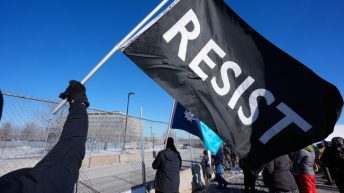
Take Minnesota Governor Tim Walz, who has been at the center of a money fraud scandal and is encouraging street opposition to ICE from a safe distance. He urges activists to take action while remaining behind his own iron gates and private security, which looks a lot like telling others to fight battles he will not. That kind of “do as I say, not as I do” leadership turns civic conflict into theater for the comfortable.
Actors and entertainers have joined the chorus, offering moral imperatives wrapped in celebrity clout. Giancarlo Esposito spoke at Sundance and labeled ICE officers “untrained,” while implying that others should put themselves on the line so the famous can feel morally superior. That kind of messaging asks regular people to be cannon fodder for virtue signaling, and it carries a dangerous passivity from those with fame and money.
Meanwhile, athletes add their own brand of performative outrage, turning routine in-game disputes into claims of systemic bias. Draymond Green complained after a technical foul, suggesting racism in the NBA despite a league composition that is roughly 70 percent African American and another 10 percent mixed race. When a player with a guaranteed $100 million contract frames his grievance as a social emergency, it reads as tone-deaf and dismissive of real hardship elsewhere.
The entertainment industry amplified the trend at the Grammys, where the conversation reportedly tilted more toward political grandstanding than music. Billie Eilish told the country no one can be “illegal” because, as she put it, we are all living on stolen land and even shouted “F**k ICE” as her sign-off. That kind of absolutist rhetoric sounds catchy on a red carpet, but it ignores the legal and civic realities most Americans face every day.
Billie’s own circumstances only underline the point: she lives in a home last appraised at around $14 million and maintains multiple security barriers around her property. She has a restraining order against an individual who trespassed at her home, which makes her denunciation of barriers and borders feel inconsistent when you see the protections she insists on. The Tongva People have not been granted title to that land, and her public statements sidestep those finer details while declaring moral supremacy.
That pattern repeats: elite voices demand risk and sacrifice from others while they remain insulated. They call for protests and confrontations with federal agencies but rarely face the consequences themselves. The result is a divide between public virtue signaling and private safety that undermines trust and weakens civic norms.
We’re already facing real problems that need clear thinking and accountable leadership, not sermonizing from people who profit from attention. The country does not need more celebrity catechisms telling citizens how to act while the celebrities retreat to their gated comforts. If anything, Americans could use fewer moral megaphones and more sober debate grounded in law and shared responsibility.
Activism without accountability becomes a contagion of performative outrage, and the best defense is to build a healthy skepticism about who is asking for sacrifice and why. When leaders or stars ask others to risk safety and freedom, voters and citizens have a right to demand consistency, evidence, and a willingness to share the burden. That is a conservative standard of accountability that deserves to be applied across the cultural landscape.
The elites can keep their lectures and their safe perches; the rest of the country will keep defending the rule of law and the institutions that protect everyday Americans. When rhetoric stops matching conduct, the public should call it out, and be prepared to insist on leaders who actually live by the principles they preach.
Add comment