
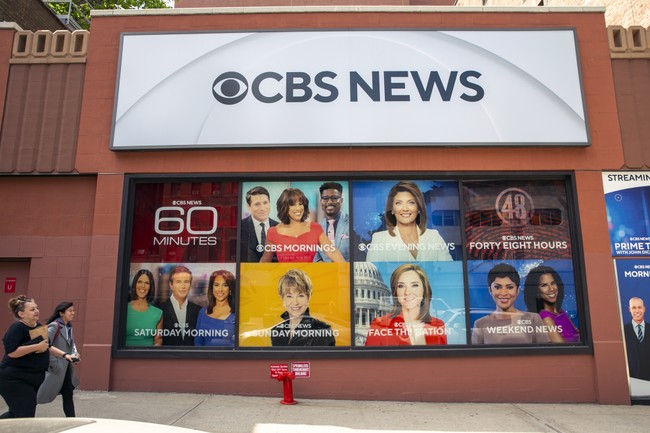
Journalists at CBS clashed with editor-in-chief Bari Weiss after she pulled a “60 Minutes” segment about deported Salvadoran prisoners, sparking accusations of political censorship and a petition from former staffers demanding editorial independence; the controversy centers on whether the piece was balanced, why on-the-record administration comments were omitted, and what this fight says about newsroom standards and media bias.
The pulled segment portrayed deported individuals who had been detained in a Salvadoran prison, and Weiss insisted the package include an on-the-record interview with a high-ranking Trump administration official before it aired. She also pushed for language in the piece to match the facts on the ground, objecting to certain word choices that tilted the framing. Critics immediately framed her move as political, but Weiss maintained she wanted the report to meet basic standards of fairness.
After the segment was withdrawn, it emerged that on-the-record comments from administration officials had in fact been obtained but were not included in the version shown to decision makers. That omission raised eyebrows and fed the narrative that the original edit leaned hard toward a partisan angle rather than straight reporting. For conservatives watching the media, this looked like more evidence that mainstream newsrooms still struggle to separate advocacy from the news desk.
Former CBS journalists then circulated a petition urging Paramount Skydance CEO David Ellison to protect what they called editorial independence. The petition’s language accused Weiss of setting a dangerous precedent by preventing the story from airing on December 21, 2025, and claimed a breakdown in editorial oversight. Their move to carry grievances to the top executive shows how raw the rift has become inside the network.
Former CBS News journalists are preparing a petition urging Paramount Skydance CEO David Ellison to uphold editorial independence at the network after editor in chief Bari Weiss yanked a “60 Minutes” segment on migrants sent to a notorious Salvadoran prison, according to a copy of the letter obtained by The Post on Monday.
A group of “prominent journalists” signed the text – which they plan to send on Saturday, Jan. 3 – and are circulating it among current and former CBS News employees, asking for their signatures, sources told The Post.
“The efforts by CBS News Editor-in-Chief Bari Weiss to prevent this story from airing on December 21, 2025, signals a breakdown in editorial oversight, and risks setting a dangerous precedent in a country that has traditionally valued press freedom,” the petition states.
That quoted petition is the kind of public airing of grievances that rarely ends well for newsroom cohesion. From a conservative perspective, it looks less like a defense of independence and more like a demand to preserve the status quo that allowed a one-sided narrative to be produced in the first place. If balance and accountability are the goals, then excluding key voices while presenting a sympathetic narrative raises legitimate journalistic concerns.
Weiss’s stance is simple: if a story is going to weigh heavily on a contentious public-policy issue, it should include both the claims and the responses. That approach may annoy reporters used to editorial leeway, but it’s squarely in line with basic reporting norms. Restoring those norms is not censorship; it is a check against publishing a piece that might read like an advocacy spot wrapped in a news package.
The dustup also highlights the ongoing confusion in many outlets between opinion and news. Opinion pages are meant for advocacy and sharp argument; the newsroom is supposed to present verified facts and multiple perspectives. When those lines blur, audiences lose trust and the media’s role as an information provider suffers. Conservatives have long argued that mainstream outlets favor certain narratives, and episodes like this are used as proof.
There’s an institutional element here too: when former employees publicly sign a petition aimed at corporate leadership, it signals that internal grievance channels may have failed them. But signaling a problem and defending a controversial edit are two different things. The core issue remains the original segment’s editorial choices and how those choices were reviewed and approved.
For viewers and media-watchers, the immediate takeaway is to demand clarity on how editorial decisions were made and why key on-the-record responses were left out. That’s not a partisan ask; it’s a request for basic transparency. If outlets want to rebuild trust, they need to show the public how they handle conflicting claims and ensure accountability at every step of the process.
Ultimately, this fight at CBS is another chapter in a broader debate about media standards and bias. Bringing the discussion into the open forces news organizations to confront whether their internal processes protect accuracy and fairness or simply shield preferred narratives. For those who want a newsroom committed to traditional reporting, Weiss’s insistence on including all relevant perspectives is a step in the right direction.

Add comment