
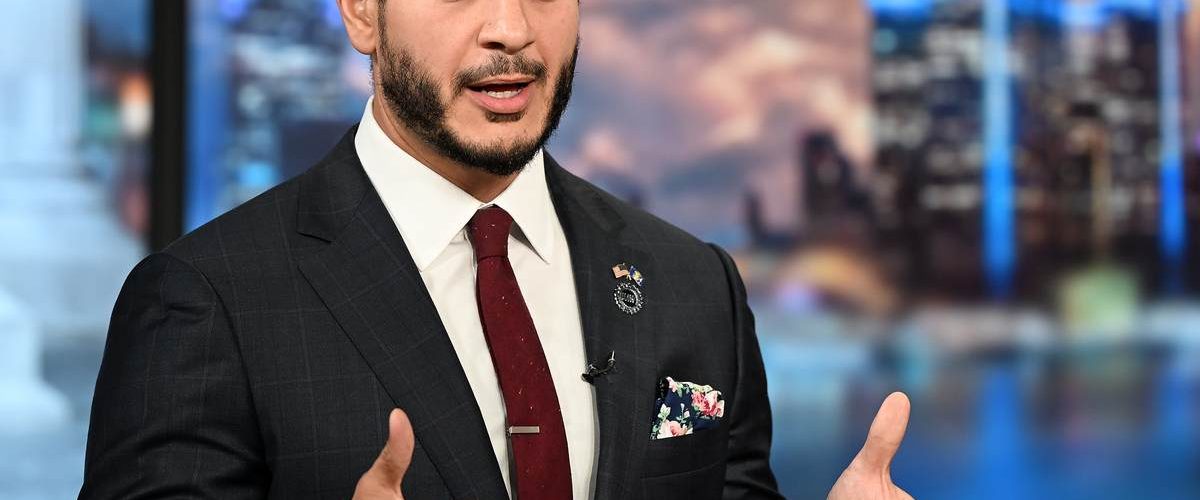
The Detroit campaign appearance by Michigan Senate hopeful Abdul El-Sayed turned awkward when a United Auto Workers member brought out to endorse him visibly seemed uncomfortable, and the stumble has become part of a pattern of gaffes and cleanup efforts that Republicans are using to make their case to voters. The endorsement moment, followed by whispers and nudges, produced a viral clip that raised questions about campaign decision-making and messaging. The episode came amid other controversies surrounding El-Sayed, including past comments about a synagogue attack and ties to a controversial streamer, which his team has been forced to explain.
Abdul El-Sayed held a press event in Detroit where he stood alongside state senator Mallory McMorrow in an effort to broaden his appeal. The idea seemed straightforward: bring community supporters onstage to show grassroots enthusiasm and union backing. Instead, the appearance stumbled when a woman identified as a UAW member was brought forward to speak and visibly struggled through her moment at the microphone.
Video from the event shows her leafing through notes while aides leaned in, whispering and prompting her lines. Observers online described her body language as tense and eager to leave, with nudges and gentle touches from nearby staffers doing little to ease her discomfort. She managed a brief endorsement that included the line “running to be our next Michigan state senator.” That precise quote stood out because it sounded awkward and drew attention to the stumble.
Political opponents seized on the clip quickly, and social reactions amplified the misstep into a broader talking point. One X commenter captured the mood of many viewers, pointing out how the scene felt staged yet fell flat in execution. Campaign optics matter in tight races, and moments like this make it easier for an opponent to frame the story about competence and connection with voters.
This incident fits into a broader narrative the El-Sayed campaign has been forced to manage. Earlier this year he made a poorly received comment about a synagogue attack that his team later tried to clarify. He also faced scrutiny over his association with the online personality Hasan Piker, an alliance he has since tried to soften publicly. Each episode required explanation, which only reinforces the perception that the campaign is often on the defensive.
https://x.com/Breaking911/status/2094469119420596660
Republican Mike Rogers has used those defensive moments to sharpen his pitch to Michigan voters, highlighting questions about judgment and messaging on El-Sayed’s side. Rogers is presenting himself as a steadier, more consistent option, pointing to the repeated need for clarifications from his opponent. In a general election, the argument that a candidate must constantly explain remarks is useful for an opponent aiming to persuade swing voters.
Campaign staffers are responsible for not only policy arguments but also for the stagecraft of politics, and this episode underscores how small lapses can become headline stories. A union member’s uncomfortable appearance might have been a simple mismatch of volunteer and stage, but in the reality of modern campaigns it becomes fodder for hours of commentary and social media mockery. That pressure intensifies when a campaign is already working to repair its image on other fronts.
El-Sayed’s team likely saw the Detroit event as a chance to showcase grassroots reach and union support, yet the optics betrayed that goal. When a staged moment collapses into awkwardness, it feeds a narrative that a campaign is out of step with its intended audience. Opponents can then stitch together separate incidents into a single argument about readiness for higher office.
For voters watching from the sidelines, the clip offered an easy, digestible snapshot to interpret a broader campaign dynamic. Viral moments cut through policy debates and become shorthand for perceived competence or lack thereof. In this race, every stumble offers an opening for Republicans to press their message about who best represents Michigan’s interests.
The El-Sayed campaign now faces a choice common to campaigns under fire: double down on outreach and tighter stagecraft or keep explaining past remarks and associations. Either route demands cleaner execution and clearer messaging, because the electorate notices patterns. As the general election approaches, these moments stack up and shape the conversation beyond any single press conference.
Editor’s Note: The 2026 Midterms will determine the fate of President Trump’s America First agenda. Republicans must maintain control of both chambers of Congress.


Add comment