
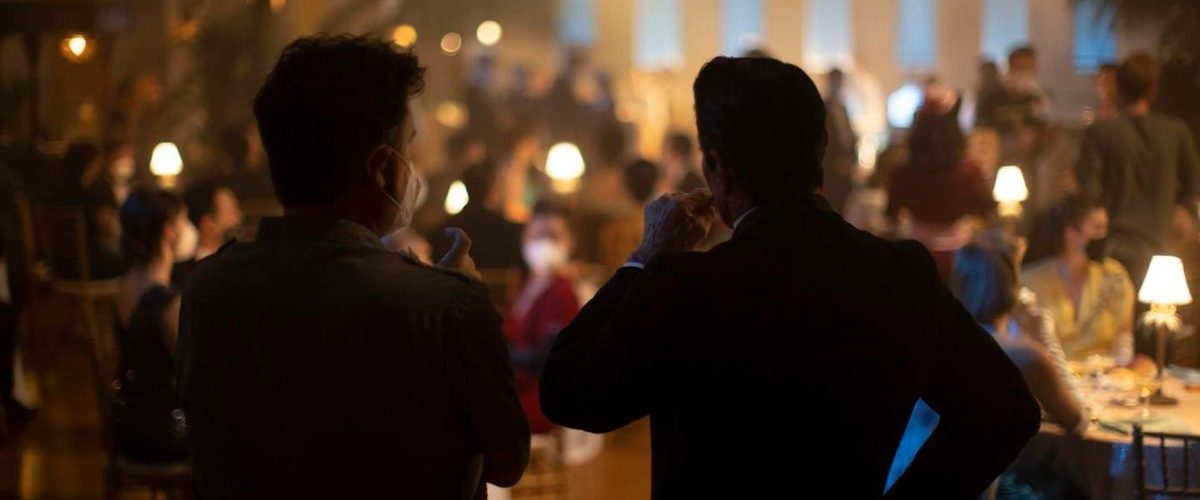
In this second installment of a three-part interview with producer Mark Joseph about the 2024 film Reagan, Joseph digs into the challenges of portraying a well-known public figure, the surprising emotional reaction from audiences, the research discoveries that shaped the script, and the joys and near-misses of assembling the movie’s soundtrack. He explains why the film avoids merely replaying archival footage and instead reaches back to the events and relationships that formed Ronald Reagan. Joseph also reflects on how audiences responded, what historical details emerged during research, and the musicians who contributed to the project.
Did the fact that you were telling the story of a man so many currently alive remember, and of whom volumes of footage exist from both his days in entertainment and politics, make creating the movie more or less challenging?
Mark Joseph says having all that footage was a double-edged sword. On one hand, it provided an extraordinary amount of source material; on the other, it constrained the freedom to invent mannerisms or moments because so many people already had their own image of Reagan. The team decided the film needed to show the private, formative moments cameras never recorded: the small-town youth, the lifeguard, the early Hollywood struggles, the collapse of a marriage, and the evolving relationship with Nancy.
That focus pushed the film beyond the public Reagan into the making of the man who later stood at the Brandenburg Gate. Joseph argues that understanding Reagan requires covering roughly 80 years of life, not just the presidency, because the roots of his character stretch far back into youth and early adulthood. Portraying formation and doubt was essential to avoid producing a museum piece made of recognizable clips people could simply watch online.
What most surprised you about the reaction to the film?
The intensity of audience response surprised Joseph the most. He mentions reports of standing ovations and people crying in theaters, outcomes the production did not fully expect. There was also a striking divide between professional critics and ordinary moviegoers, with audiences embracing a human story rather than what some anticipated would be a politically driven film.
Joseph found it especially meaningful that viewers connected with moments of bipartisan humanity, citing Reagan and Tip O’Neill as an example of opponents who could fight fiercely in public and then sit down together as human beings. That exchange, he says, resonated because it showed political combat paired with personal respect—something many people feel is missing today. The contrast between industry projections and actual turnout emphasized how the public reception differed sharply from critical expectation.
What did you discover in the course of researching for the film that most surprised you?
Research revealed that much of the president’s later character was present long before his political career. Joseph says Reagan’s faith, for instance, was not an invention of his political life but a constant thread confirmed by people who knew him. He emphasizes that Reagan experienced real failures: professional setbacks, a failed first marriage, and family struggles that complicated any neat, heroic narrative.
Those human details counter the tendency to reduce Reagan to an icon and allow viewers to see vulnerabilities and uncertainties that made his eventual accomplishments less inevitable. Joseph points to surprising, lesser-known episodes—near-death moments and chance interactions—that humanize the subject and had largely faded from public memory. Including those incidents helped the filmmakers explain why Reagan became the person he did without resorting to hagiography.
What was the most enjoyable part of assembling the soundtrack?
Putting together the soundtrack turned into a highlight of the project for Joseph. The film itself features a range of artists and songs, and the broader soundtrack spawned contributions from legendary performers across genres. Joseph reached out to about 50 artists and was thrilled when many responded, producing a soundtrack populated by familiar names and voices that span decades.
There were also notable near-misses that Joseph recalls with a mix of pride and regret: demos and recorded duets that didn’t make the final cut due to timing or clearance issues. He explains that licensing some iconic songs proved impossible, yet he remains proud of assembling work from figures like The Commodores, Tanya Tucker, Wayne Newton, Travis Tritt, Alabama, and Ricky Skaggs. Overall, the soundtrack process combined logistical hurdles with the special reward of collaborating with musical legends.
Joseph’s reflections show a clear aim: to make a film that reveals how a private life shaped a public legacy. By prioritizing formative episodes, emotional truth, and musical atmosphere, the project sought to offer audiences new reasons to connect with a familiar figure. The reactions and discoveries he describes underline why the filmmakers chose a broad, intimate approach rather than a narrow political retelling.


Add comment