
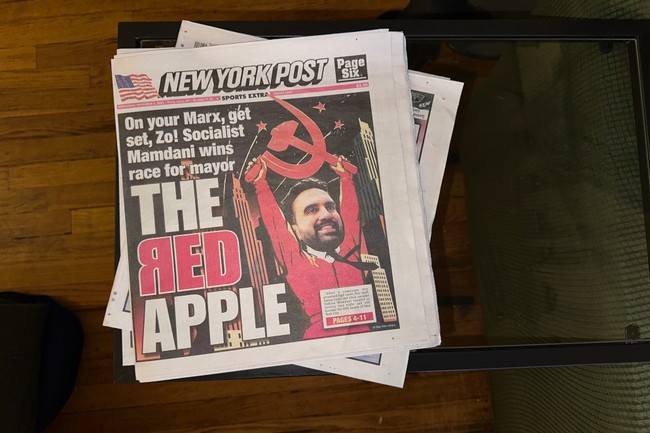
I’ll walk through who is pressing Mayor-elect Zohran Mamdani, what they’re demanding, why many of those ideas are legally shaky, and what it could mean for New York City residents and businesses. This piece keeps the focus on the DSA’s demands, Mamdani’s record on BDS, and practical consequences for the city. I preserve quoted passages exactly as they appeared. The tone is direct and clear about political stakes.
There’s a clear political bargain at work in New York politics, and the Democratic Socialists of America’s New York chapter made its expectations known fast after Zohran Mamdani won. The DSA’s Anti-War Working Group circulated a list of demands aimed at reshaping the city’s relationship with Israel, and that list is now part of the public debate heading into January. Supporters see principled stands; opponents see overreach and threats to basic city functions.
The DSA’s document reads as an aggressive, all-encompassing prescription for municipal policy and shows how organized pressure from activist groups can try to set a new mayor’s agenda before he takes office. That makes voters and businesses nervous because some of the proposals would collide with federal law, constitutional protections, or simply the limits of municipal authority. The political fight is less theoretical than practical: steps like divesting pensions or banning products from city stores would have ripple effects for taxpayers and public services.
The Democratic Socialists of America’s Big Apple chapter will push Mayor-elect Zohran Mamdani to implement a virulently anti-Israel agenda, leaked documents show.
Included in the NYC-DSA’s “Anti-War Working Group” list of a dozen “demands” for the incoming is an end all city contracts with companies doing business with Israel, and withdrawing all funds from banks lending money to the Jewish state, according to a planning document first exposed by Just The News.
The five-page screed was distributed at the group’s Nov. 2 public meeting, and reveals the DSA’s NYC chapter has been plotting since at least late September on how to best to ensure the pro-Palestine, Israel-hating Mamdani fully supports its anti-Israel agenda once he’s sworn in as mayor in January — and doesn’t buckle to political pressure.
Some of the demands are dramatic on their face and would be legally fraught. A city cannot unilaterally strip federal tax status from nonprofits or criminally charge foreign leaders for actions taken abroad simply because they set foot in Gotham. That raises straightforward legal and logistical hurdles that would likely end most of these proposals before they start if they ever reached implementation.
Other items in the DSA plan aim to influence procurement, pension investments, and municipal partnerships, areas where a mayor does have levers to pull but must do so within existing contracts and fiduciary duties. Even when the mayor has authority, heavy-handed decisions can destabilize markets, scare off vendors, and transfer costs to ordinary New Yorkers through lost efficiency or increased expenses. City hall has to balance activist aims with delivering basic services.
- Divesting city pensions from Israeli bonds and securities.
- Banning Israeli products from the city-run grocery stores Mamdani wants to open.
- Investigating real estate agents “hosting illegal sales of stolen lands in the West Bank.”
- Stripping tax-exempt nonprofit status from entities that raise funds for the Israel Defense Forces.
- End the NYPD’s training with Israeli Occupation Forces.
- Arrest Israeli Prime Minister Benjamin Netanyahu and active IDF soldiers for “war crimes” if they enter the Big Apple.
- Dismantle an NYC-Israel Economic Council formed by outgoing Mayor Adams.
Those items read like a wish list for activists and a legal minefield for any city government that tries to implement them wholesale. Public pension funds, for example, are bound to act in the financial interest of beneficiaries and could face lawsuits if political aims trump prudent investing. Banning products in municipal grocery operations might sound symbolic but would complicate procurement and raise costs.
Critics will also point to personal and family connections that fuel concern. Mamdani’s history of supporting BDS and his father’s association with a controversial Gaza tribunal feed into the narrative that this administration could tilt sharply toward international activism. Whether that becomes policy is still undecided, but the political signaling alone has already made certain communities anxious.
Meanwhile, attention to foreign policy stunts risks distracting city leadership from mundane, essential tasks like trash collection, subway reliability, and public safety. Voters care most about a city that functions, and a mayor tied to combative ideological projects may find governing harder when attention and resources are diverted. The next four years could test whether activist demands or practical governance win out.



Add comment