
I’ll explain why Danhausen handled a political squeeze the right way, contrast that approach with louder voices in sports media, point to historical precedent, and make the case that entertainers who focus on craft keep bigger audiences. This piece highlights how staying in character protects a performer’s brand and why broad appeal often beats partisan posturing.
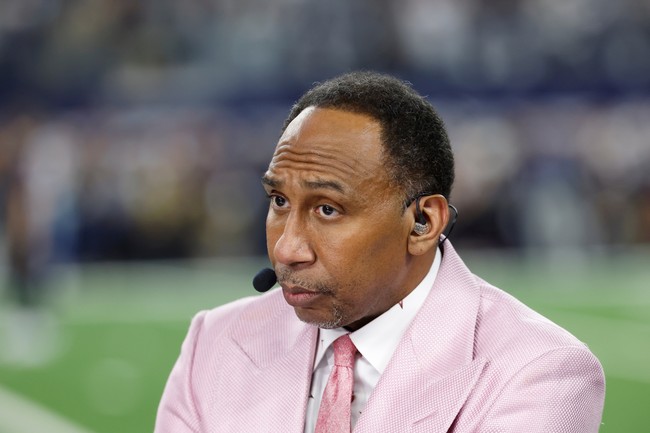
WWE performer Danhausen recently faced a test on “The Stephen A. Smith Show.” The host tried to pin a political angle on a sports moment, asking whether President Donald Trump deserved blame for a Knicks home loss. Danhausen, true to his persona, refused to turn a lighthearted exchange into a political takedown.
Instead of fanning partisan flames he said his “curse” explained the team’s early struggles and took playful credit for their later success. That reply kept the conversation in the realm of character and comedy, where his fans expect him to live. It was a small move, but it made a clear point: entertainers can decline to become political activists without being coy or evasive.
That restraint matters, especially now. Many performers assume a pulpit and start issuing opinions on every issue, as if name recognition equals policy expertise. The consequence is predictable—audiences split and an entertainer’s reach narrows as politics takes center stage over the act that built the audience in the first place.
Johnny Carson understood this instinctively decades ago and chose a different path. He kept “The Tonight Show” from becoming a forum for partisan lectures and, in doing so, maintained its position as a nightly communal habit for millions. That discipline made his program a place Americans could agree to tune in together rather than pick sides.
https://x.com/THEEBitchBarbie/status/2067419901707366642
Sports media faces a similar crossroads. Stephen A. Smith is a brilliant commentator with a large platform, and his sharp takes on games are part of what made him prominent. When he drifts into predictable political antagonism, however, he risks alienating viewers who come for game analysis and not culture war sermons.
Viewers want passion and perspective on the court, the field, and the ring, but they rarely tune in to be scolded by anchors who masquerade as activists. When hosts lace every segment with partisan commentary, they turn sports coverage into another battleground where fans feel judged instead of entertained. That’s bad for ratings and worse for the cultural space sports once occupied.
Professional wrestling, despite its scripted drama, often models better behavior in this respect. The product thrives when performers commit to storylines, personas, and the spectacle itself. The audience rewards commitment to entertainment; they do not need every mic to become a political microphone.
Danhausen’s example is instructive because he protected his brand without taking a cowardly route. He stayed in character, acknowledged limits—no grand pronouncements, no scorched-earth rhetoric—and moved the show along. In markets where every moment gets amplified on social media, that kind of savvy preserves relationships with fans across the political spectrum.
There’s a practical, even conservative, case to be made for this approach. Conservatism prizes institutions that bring people together—family, faith, community, cultural moments that unite rather than splinter. Entertainment that refuses to weaponize every moment reinforces those stabilizing forces rather than undermining them.
Performers who keep the spotlight on their work create durable careers. Audiences reward consistency and craftsmanship, not intermittent moralizing. When an act is reliable and fun, it draws repeat viewers; when it becomes preachy, it narrows itself to the choir and loses the chance to influence broader public taste.
That said, entertainers are citizens with beliefs, and some will choose advocacy as part of their public identity. That is their right, and conservative audiences should respect the choice even if we disagree. But strategic restraint often accomplishes more: by staying in the lane that made them famous, performers reach more people and keep cultural space for shared experiences.
The lesson extends beyond wrestling or sports talk to late-night hosts, podcasters, and influencers who face constant pressure to weigh in. If your livelihood depends on reaching a wide audience, consider whether every provocation helps or harms that aim. Danhausen chose the latter approach and emerged with his appeal intact.
Fans want to laugh, cheer, and be entertained. They do not need every interview to be a referendum on national politics. When entertainers prioritize craft over commentary, they preserve both their platform and the larger cultural commons where Americans of different views can still enjoy the show.

Add comment