
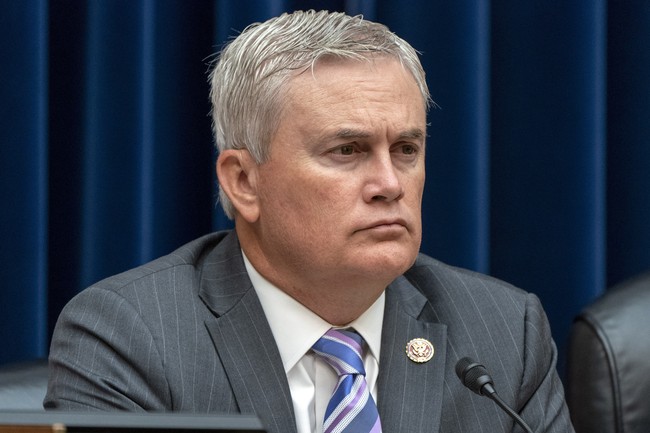
The country is watching a troubling pattern: a string of high-level scientists linked to national security programs have died or disappeared, and House Oversight Chair Rep. James Comer says it “suggests that something sinister may be happening.” This article lays out the scope of the concern, the agencies involved, the types of work affected, and why lawmakers are pushing for answers while highlighting national security risks.
The list of missing and deceased experts has grown into more than a rumor; it’s now a subject of formal inquiry. Rep. James Comer appeared on Fox & Friends Weekend to raise alarms and press for information, stressing this is a national security matter and not merely gossip. His intervention has moved the issue beyond fringe chatter into the halls of Congress.
Comer made clear that Congress has asked key agencies to come forward with what they know, and he plans to call their leaders to testify. The agencies identified include the Department of Defense, the FBI, NASA, and the Department of Energy, reflecting the kinds of programs these scientists were connected to. Those ties raise real concerns about whether sensitive projects might be compromised.
The scientists in question worked at the cutting edge: astrophysics, planetary science, aerospace engineering, nuclear physics, fusion energy, nuclear weapons research, and advanced materials. Losses in these fields touch projects that affect military strength, energy independence, and technological leadership. Any removal of experts, whether through foul play or coercion, weakens competitive advantage and invites risk.
Rep. Comer said:
We’re very concerned about this. This is a national security concern. This would suggest that something sinister may be happening. So we want to see what we can do and hopefully with our bully pulpit, we can maybe bring attention to this, and have anyone that knows of any information out there, have them contact Congress so we can help determine what’s going on here, and prevent this from happening in the future.
Comer’s request for briefings and testimony is straightforward: Congress needs to understand whether these events are isolated tragedies or part of a pattern that threatens programs vital to national defense. He emphasized the four agencies because many of the affected scientists were affiliated with them. Lawmakers are attempting to balance transparency with not jeopardizing any active or classified investigations.
Observers point out that the affected personnel were deeply embedded in government labs and government-funded programs. Many worked at places that handle classified or high-value research, meaning the loss of even one expert can set back projects significantly. That practical impact is why this cluster of cases has grabbed the attention of oversight officials and the White House alike.
Some will argue patterns can be illusory, a result of natural pattern-seeking in the human brain. That is a fair caution. Still, when you combine the specific institutions involved, the technical specialties affected, and the stakes for national security, the concern moves from speculative to substantive.
The question now is whether hostile actors sought to target talent directly, whether these were ordinary criminal acts, or if other explanations apply. Practical risk assessments have to include the possibility of foreign intelligence collection, coercion, or influence operations aimed at degrading U.S. capabilities. The United States cannot afford blind spots in that analysis.
Politics unavoidably colors this discussion. From a Republican perspective, the imperative is clear: protect American advantage, secure critical programs, and hold accountable any failures that allow threats to penetrate. That includes scrutiny of border security, counterintelligence efforts, and how agencies protect their people and work products.
Congressional inquiry aims to determine whether systemic gaps exist in how top scientists are protected and whether information about threats has been properly shared across agencies. The hearings Comer contemplates would give leaders a forum to explain steps taken to safeguard personnel and projects. If shortcomings emerge, Congress will press for fixes that strengthen oversight and security.
Public concern is legitimate when experts handling sensitive work vanish or die under odd circumstances. Investigations must be thorough, timely, and unafraid to follow the evidence wherever it leads. National security depends on keeping Americans safe and keeping our scientific edge intact.
As this unfolds, legislators, agency heads, and the public will watch for concrete answers and accountable action. The country needs clarity, protection for critical personnel, and proof that our institutions are up to the task of defending our knowledge base and technological lead.



Add comment