
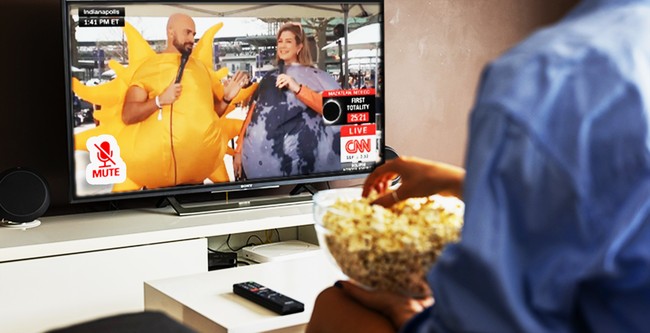
CNN has quietly tried and failed at premium streaming before, and its third push—CNN All Access—arrived with almost no buzz. This piece reviews the timeline of attempts, why the service struggles, key contract limits that hobble access, and how audience erosion and past strategic missteps shape the odds for success. You will read about CNN+, the HBO Max effort, the contract constraints that block primary broadcasts from streaming, subscriber numbers, and the leadership view going forward. The central topic is CNN’s third attempt at a premium platform and why it has gone largely unnoticed.
CNN launched CNN All Access in October as its third major effort to monetize digital viewers. The rollout barely registered in public conversation, and casual news consumers rarely mention it on social feeds or forums. That silence suggests demand is weak and awareness is low.
The network’s first streaming bet, CNN+, was a high-profile flop. Executives poured hundreds of millions into it, predicted two million subscribers, and even hyped specialty items like archival NFTs, but CNN+ drew roughly 150,000 subscribers in early weeks and only a few thousand daily viewers. Within weeks the platform was shut down, after a project that cost hundreds of millions and carried a billion-dollar projection evaporated quickly.
A second approach tried embedding CNN content into the parent company’s broader streaming offering on HBO Max. That plan included dedicated CNN blocks and cross-promotion inside the larger streaming catalog. It was intended to funnel viewers toward a potential CNN-branded subscription but stalled when leadership shifted and strategies changed later that year.
One persistent technical and contractual barrier is cable carriage language that prevents the network’s television broadcasts from being streamed separately. CNN had the same limitation with CNN+. The result is that subscribers to streaming products rarely get the core network broadcasts they see on cable, which makes “All Access” feel misnamed when mainline programming remains locked to cable distribution.
Other networks handle streaming differently, often creating separate daytime or streaming-only newscasts with distinct anchors, which keeps live cable content tied to pay-TV deals. That approach allowed outlets like NBC to build independent streaming channels without violating carriage contracts. CNN’s choice to use the “All Access” label while restricting flagship broadcasts frustrates potential subscribers who expect the full TV experience.
Perception matters too. One of the new shows on the platform is Anderson Cooper’s “The Whole Story,” which implies that the cable broadcasts leave gaps viewers must fill by subscribing. Many critics seized on that messaging, arguing it reads like an admission that the main broadcasts do not deliver full coverage. That kind of tonal misstep can hurt conversion when viewers already distrust the brand.
Audience numbers give the company an even steeper hill to climb. CNN has experienced years of viewers leaving the network, and the exodus accelerated after the 2024 general election. Several primetime slots routinely fail to crack 500,000 viewers, and on many nights the total audience for large stretches of programming is eclipsed by single shows on rival networks.
By contrast, Fox Nation built slowly and now counts around two million subscribers after years of steady growth atop Fox News’ larger audience. CNN starts from a much smaller base, so the pool of potential premium customers is inherently limited. Expecting the same trajectory without the same underlying TV audience was always wishful thinking.
Executive churn made the situation worse. Jeff Zucker, who led the CNN+ push, departed shortly before that platform launched amid scandal, and the parent company was in the middle of a merger. New management at Warner Bros. Discovery moved cautiously, and internal plans shifted as merger approvals and corporate priorities changed. That left CNN streaming efforts fragmented and under-resourced at critical moments.
After Chris Licht’s troubled tenure, Mark Thompson from the New York Times stepped in, bringing experience with a successful digital subscription model. But Thompson faces a different reality: newspapers migrated paying readers from print to digital, and those readers had buying habits that translated to paywalls. CNN’s audience is used to free cable broadcasts and has shown little appetite for paying for broadly available video news.
That mismatch explains past projection errors and the lack of traction for premium products. Early internal metrics showed subscribers who signed up were not highly engaged, and viewership never matched executive expectations. Aiming to replicate newspaper-style conversion without a comparable loyal paying base was a flawed comparison from the start.
Mark Thompson has been quoted saying, “These things don’t build overnight. The main thing the first year or two is to learn from the audience and optimize the product. Our task now is to put it out there and build an audience.” Those are sensible words, but time is limited as cable ad revenue shrinks and streaming competition grows. Learning on the fly is costly when prior attempts already burned large sums.
In the end, CNN All Access looks like more of the same: a premium pitch built on content many viewers already access free on cable, hamstrung by contractual limits, and launched amid a long-term decline in linear viewership. With muted public awareness, ambiguous messaging, and a shrunken addressable market, this third attempt faces steep odds of becoming the durable streaming success executives hoped for.



Add comment