
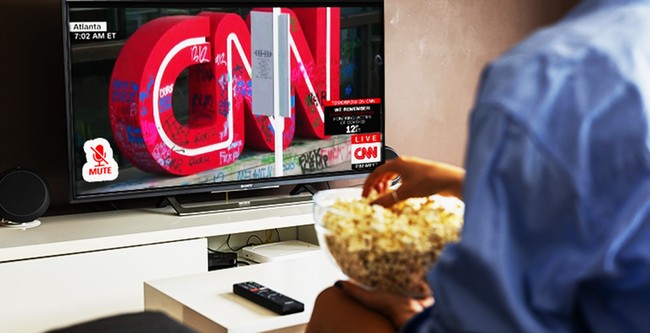
CNN’s Week of Self-Inflicted Damage Deepens With Revelations of Embassy Celebrations
I’ll lay out how CNN’s recent decisions and optics have compounded into a credibility crisis, report on the new revelations about network staff seen at an Iranian embassy event, connect that to troubling on-air choices and corrections, and explain why people are rightly skeptical of the network’s judgment and independence.
CNN defended itself for being the lone U.S. outlet allowed into Iran, pitching the access as a journalism triumph. Many observers saw it differently, viewing the arrangement as a vehicle for Iranian propaganda rather than an instance of reporting excellence. That difference matters when audiences evaluate whether a news organization is standing up for American interests or just taking what it can get for a soundbite.
Coverage from the network’s correspondent in Tehran consisted largely of pre-recorded street pieces and a subdued on-camera presence, with very little live interaction that would suggest rigorous, real-time reporting. Viewers noticed an interview with an Iranian government official that skirted larger accountability issues. Even more alarming to critics was CNN’s decision to hand over a portion of its U.S. broadcast to Iranian state television for several minutes, a move that looks unprecedented and undermines trust.
Outside Iran, the network’s domestic week was no less chaotic, marked by multiple retractions and corrections on sensitive stories. Reports about a bombing attempt in New York and other high-profile items required follow-up fixes, which only amplified concerns about editorial control and fact-checking. When a newsroom struggles to keep its basic reporting straight, audiences naturally start asking tougher questions about intent and competence.
Amid those already bad optics, new photos and reporting have shown CNN figures in London attending an official event at the Iranian embassy, shaking hands with Iran’s representative. The photos reportedly show Andrew Roy and Matthew Chance socializing at a black-tie function, raising eyebrows because the gathering took place while Iran was violently suppressing domestic protests. That timing makes the image politically explosive: celebrating with regime officials during a crackdown looks tone-deaf at best and complicit at worst.
The network told a researcher that the employees were at the function as part of normal coverage of government officials, but as of the time those reports surfaced no corresponding on-air pieces or public posts explained what reporting they were doing. That gap between explanation and visible reporting only amplifies suspicion, because in journalism the default expectation is transparency about sources, access and how events are covered. Silence rarely calms a credibility fire.
Shortly after the meeting was highlighted, one outlet removed the photo that had featured the CNN journalists, leaving behind only images credited to other sources. Whether that removal was an editorial decision or a response to pressure is unclear, but the disappearance looks odd and invites speculation. When a picture that documents a politically sensitive encounter vanishes, readers naturally wonder who asked for it and why.
Meanwhile, on-air cleanup attempts have made matters worse for CNN. Brian Stelter and others tried to defend the network’s reporting and social copy, but had to walk back language and face corrections to pieces they’d promoted. Public attempts at damage control that repeatedly change shape don’t reassure viewers; they create a narrative of defensive scrambling rather than accountability. In a healthy newsroom, a clear error is admitted, corrected once, and moves on; repeated reversals look like avoidance.
All of this feeds a larger pattern: repeated editorial missteps, questionable access decisions and awkward external optics. When a network gives airtime to state-controlled foreign media, then has staff photographed at a party with regime officials, it gives critics license to call the outlet compromised. Skepticism grows when actions and explanations don’t line up in a timely, convincing way.
The stakes go beyond brand management. Trust in national media affects public confidence in institutions and in the information people use to make civic decisions. If viewers think a prominent news organization is too close to hostile foreign actors or unable to police its own reporting, they will turn elsewhere for information and for accountability. That erosion of faith has real consequences for civic discourse.
At its best, journalism holds power to account and explains the world clearly to citizens. At its worst, it becomes entangled with the sources it covers, then offers explanations that leave more questions than answers. For CNN, recent weeks have been a test of whether the network can restore credibility by being straightforward about what happened, why, and who was involved.
As of the publication of this piece (March 13, 2026), Chance had not filed any report about it. According to his profile page on the CNN website, the only things he reported on in February were about Ukraine and Russia. A SnapStream search of on-air reports from Matthew Chance confirmed this. Neither Roy nor Chance had even posted on X about attending the regime party.
That quoted finding highlights the central problem: optics and accountability do not exist in isolation. Pictures, access and on-air reporting should match up in a way that allows audiences to judge the work. Where they don’t align, reasonable people draw reasonable conclusions about motive and propriety.

Add comment