
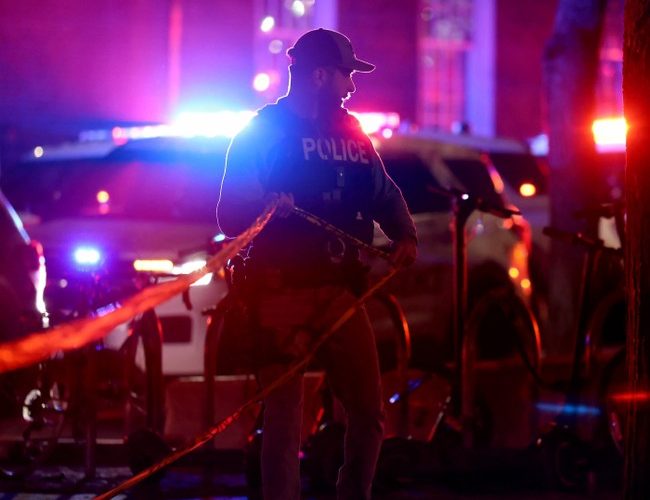
The campus community and the wider public have been left frustrated and uneasy after a chaotic press conference sequence following the deadly shooting at a university facility, with officials offering limited answers about surveillance, who was in the room, and the status of the investigation while investigators say they are still seeking a person of interest and possibly have DNA evidence.
The shooting occurred days ago and left two students dead and nine injured, and officials have repeatedly updated the public about leads and people of interest. Authorities say one person briefly detained has been released and that they are now seeking a second individual described as having been near the primary person of interest. The slow drip of specifics and the changing descriptions of who was detained and who remains of interest have fed a growing sense of alarm on campus and beyond.
Cameras have become the central complaint. Members of the public and reporters have pressed why the academic building where the shooting happened lacked useful surveillance footage, and why more cameras did not produce clearer images of a suspect. Officials say the building’s age and the mix of old and new construction complicate coverage; investigators are canvassing nearby residences and businesses for private camera footage to fill gaps left by the campus system. Many observers are skeptical that an institution with significant resources could be caught short on basic, independent video coverage in a critical area.
A reporter at a recent briefing forcefully raised the question of whether local policy choices contributed to missing footage, suggesting that camera removal was tied to sanctuary city concerns and reluctance to share footage with immigration authorities. That line of questioning drew a sharp, emotional exchange at the podium and underscored how quickly the conversation about campus safety can turn into a debate over municipal policy and institutional choices. Officials pushed back, saying the university had turned over all available evidence, but few left satisfied.
“The camera in that building that Brown pulled off, because the sanctuary city law that we have! You don’t want to record illegal immigrants. And you don’t want provide the footage to FBI or immigration authorities. One camera in that building…friend of mine, they are angry at this investigation, these people at Brown University pulled the camera off. And you can’t identify the person!” The reporter asked them to imagine what the families of the victims were going through and to “tell the truth.”
The city’s mayor said the school had handed over what it had and then concluded his remarks, which did not calm critics who felt officials were dodging accountability. National outlets picked up the camera story, reporting officials’ explanations that portions of the building lacked surveillance because they predate modern security installations. That explanation did not persuade everyone; citizens and members of the press continue to demand clear timelines and inventories of what cameras were live, what footage exists, and who had access to it.
Officials have described the campus-wide system as extensive, with figures cited about the number of cameras spread across campus and an explanation that newer additions to the facility include modern monitoring. At a briefing, a university spokesperson said there are 1,200 cameras on campus and acknowledged that different parts of the building have varying levels of technology. Even with that number, questions persist about blind spots inside the academic wing where students gather for review sessions and smaller classes.
Another thorny issue is simply counting who was in the room when the shooting occurred. Investigators say the event took place during a voluntary review session, so attendance lists are incomplete and officials do not yet have a full roster of attendees. The police chief said the school emailed students to ask who was present, but critics argued that direct outreach to every student enrolled in the class would be a faster, more thorough way to collect witness accounts. That disconnect between what the public expects and what officials report has amplified criticism about the investigation’s pace.
Hints of progress exist: authorities reported they may have the shooter’s DNA, which could provide a crucial lead if properly matched and processed. But for many, tentative forensic advances do not erase the frustration over communication and transparency. The community is demanding more than reassurance; people want clear steps, verified footage where it exists, and a firm accounting of who had access to potential evidence.
The tension at the podium revealed a broader trust gap between institutions and the people they serve, with the shooting exposing vulnerabilities in how evidence is secured and how quickly officials can compile witness lists after chaotic events. As investigators continue to pursue leads and analyze physical and biological evidence, families and neighbors will be watching every update for concrete progress rather than gestures or evasions.
At the moment, officials say they are focused on piecing together the timeline, chasing potential camera captures off campus, and following forensic leads. Until more definitive information is released, the combination of unanswered questions about cameras, attendance, and the identity of those involved will keep scrutiny high and patience low.

Add comment