
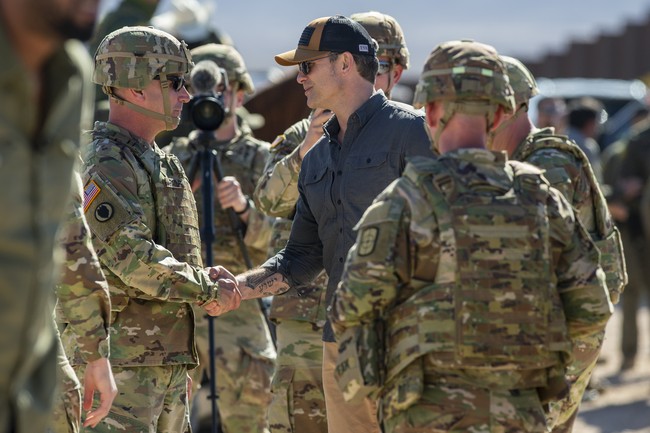
The U.S. Army is posting unusually strong recruiting and retention numbers this year, reflecting a clear shift in momentum and a renewed emphasis on the warrior ethos under current leadership; the story tracks how recruitment goals were exceeded, how retention rose alongside recruiting, and how individual soldiers describe their motivations and pride in service.
Recruiting has surged and the Army reports meeting active-duty goals well ahead of schedule, signaling better outreach and appeal to young Americans. That climb follows several years of struggle, with a pronounced jump in the most recent fiscal year that pushed overall recruiting substantially higher. The numbers suggest a combination of policy changes, cultural shifts, and renewed messaging about service and duty.
Retention figures are rising in step with new enlistments, meaning the Army is holding on to more trained personnel rather than simply replacing them. Longer service terms are especially valuable in a technology-driven force where skill and institutional knowledge take time to build. That continuity matters for readiness and for preserving the expertise needed to operate modern equipment and tactics.
Training a soldier today takes far longer than in earlier eras, so keeping experienced troops is a practical necessity as much as a cultural goal. Technical and tactical competence requires sustained investment, and higher retention softens the pressure on recruiting to deliver fully capable units immediately. Leaders argue that these trends improve both unit cohesion and operational effectiveness.
Just a few years ago, the Army was struggling to meet its recruiting goals. After hitting a low in fiscal year 2022, recruiting has climbed every year since, rising nearly 38% overall, with the biggest jump coming in fiscal year 2025. This fiscal year, the Army has already met its active-duty recruiting goal with more than 61,500 future soldiers signing on for service.
Alongside aggregate statistics, personal stories illustrate why some recruits sign up and why veterans choose to reenlist. Infantryman Guadalupe Campos joined at 18 and later extended his service, citing duty and the bonds formed with comrades as central reasons to stay in uniform. Individual accounts like his reinforce the larger trends showing renewed enthusiasm for military service.
Among them is infantryman Guadalupe Campos, who joined the Army when he was 18 years old and recently extended his service nearly six years later.
“I wanted to do my due diligence and service to my country,” Campos told Fox News.
For Campos, serving in uniform has reinforced both his patriotism and the bonds formed alongside fellow soldiers.
“I love my country, I love America. This is our home, and we have, I mean, this is everything that we all have in common is this American flag that we fly on our right shoulder,” he said.
The revival of a warrior-focused culture is evident in language and expectations across units, and in recruitment messaging that emphasizes service, sacrifice, and a commitment to defend liberty. That tone attracts individuals who view military service as more than a job and who are ready to accept the obligations that come with a uniform. Commanders see that mindset as essential for high-stakes operations and for preserving a credible deterrent.
There’s also an element of institutional change: leaders have pushed to streamline bureaucracy and refocus the force on combat readiness and core capabilities. Those shifts resonate with recruits who want purposeful service and with midcareer soldiers who want relevance and competence in their roles. The result is a force that looks, in many ways, more deliberate about training and mission.
Quotes from respected military thinkers and historical figures still shape how people talk about fighting and leadership in uniform. As one blunt historical formulation puts it, “make the other poor dumb SOB die for his country,” capturing an unvarnished view of combat’s grim stakes. Such frank language reminds readers that military service involves lethal responsibilities that demand seriousness and resolve.
Out of every one-hundred men, ten shouldn’t even be there, eighty are just targets, nine are the real fighters, and we are lucky to have them, for they make the battle. Ah, but the one, one is a warrior and he will bring the others back.
That Heraclitus passage resonates because it distinguishes between the many who serve and the few who become true fighters, while honoring the exceptional warrior who lifts others. For policymakers and military leaders, the challenge is to cultivate more of those warriors through training, leadership, and a culture that values sacrifice and competence. The recent uptick in recruits and reenlistments suggests those efforts are starting to pay off.
Watching an upswing in motivated soldiers is encouraging for anyone concerned about national defense and force sustainability. More recruits and more reenlistments help stabilize unit readiness and preserve the institutional knowledge that modern conflict demands. Observers who track the force say the Army is moving toward a posture that better fits what it must do in an uncertain world.
Add comment